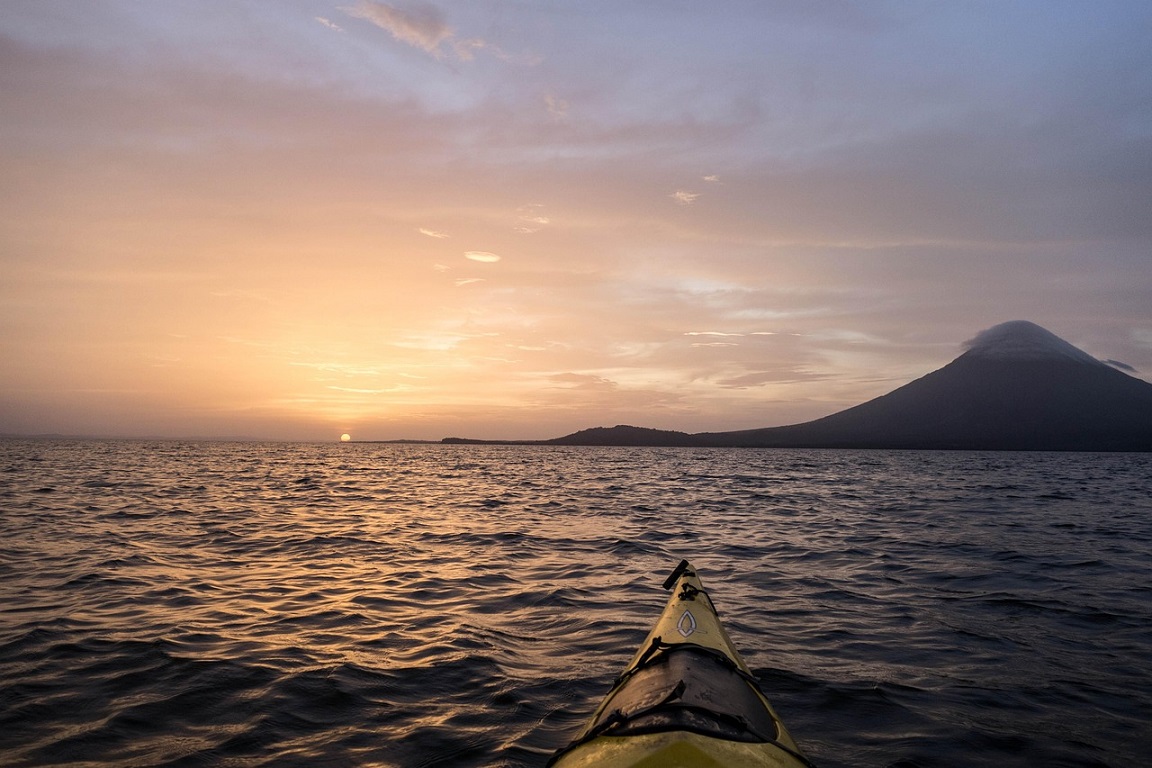
By Rob Wheatley · Reviewed October 31, 2026 · Currency: NIO / córdoba
A beautiful route still needs a clear-eyed decision
Nicaragua offers lake islands, historic cities and volcanic landscapes with very different rhythms. Nevertheless, the current security and legal situation belongs at the beginning of your planning. A lovely photograph cannot answer a question about detention risk, medical care or getting home.
My blunt take: read your government’s complete advice before spending money. Then check insurance and your own circumstances. If you decide to go, choose a few places and connect them carefully. This is a guide to weighing the trip, rather than a promise that sensible planning removes every risk.
Current US advice: reconsider travel
As checked October 31, 2026, the US advisory is Level 3: Reconsider Travel. It cites crime, limited health care, wrongful detention and arbitrary enforcement of local laws. It also identifies a serious risk of wrongful detention for US nationals. Read the full warning before booking; a tourist route does not remove these risks.
Read the full official advisoryIn a nutshell: your 60-second Nicaragua scan
First, assess the current advice. Then decide whether cities, a lake island or the coast would lead a trip you are comfortable taking.
The useful cheat sheet
- Decision first: read the full legal, security and health guidance.
- Suggested pace: two main bases for a focused week; more time for Ometepe.
- Language: Spanish; the Caribbean coast has other language traditions too.
- Money: córdoba (C$); confirm payment currency and carry a backup.
Does it fit your circumstances?
Nicaragua’s landscapes may appeal to curious travellers who enjoy cities, water and outdoor days. However, the current risks can outweigh that appeal. Access to care is limited outside Managua, and remote activities add complications. Therefore, assess personal medical needs, nationality and insurance before comparing hotels.
The Nicaragua that clicks: choose a manageable route
If you decide to travel after reviewing the advice, compare these two starting points. Then add another base only when the transfer earns its place.
Granada and León: give each city a purpose
Granada pairs colourful streets with access to the lake’s islets. León offers a different city stay, with cultural heritage and volcanic country nearby. However, visiting both means another transfer. Choose one if time is short, then ask about current visiting arrangements for the specific museums, buildings or outings that interest you.
Ometepe: an island needs more than a spare afternoon
Ometepe’s two volcanoes rise from Lake Nicaragua, but the practical story includes a crossing and travel within the island. Therefore, compare the port, boat arrangements and your accommodation’s exact location before booking. Leave enough nights to enjoy the place. Also, check weather and water safety rather than treating the crossing as a guaranteed connection.
Vibe check: which Nicaragua would shape your stay?
A city morning with time to look
Choose Granada or León around the experiences you actually want. Then give a guided cultural visit, a meal and the streets between them some breathing room. Also, ask permission before photographing people. Public photography is restricted in some circumstances, especially around government buildings and police activity.
Lake scenery at a quieter pace
The Isletas de Granada and Ometepe offer different kinds of lake outing. Compare the full journey, boat condition, operator and safety equipment first. Then keep the weather decision open. A lake view from land can still make a worthwhile day when a water activity is unsuitable.
Volcanic country, without the bravado
Volcano walks need current access information, suitable fitness and proper equipment. Local guides are required for most volcanic hikes, including Maderas and Concepción on Ometepe, according to US guidance. Therefore, use a reputable guide and discuss conditions honestly. Nobody owes a holiday itinerary a summit.
Pacific coast or a separate Caribbean chapter?
Compare the area around San Juan del Sur with other Pacific stays by exact beach, transport and atmosphere. Meanwhile, the Corn Islands require a separate assessment of connections, care and emergency support. I would avoid squeezing them into an already full mainland week. Also, a picturesque beach does not guarantee safe swimming.
When to visit Nicaragua: region before calendar
The Pacific side is generally drier late in the year through April. However, Caribbean conditions differ, and storms can disrupt a route. Check the actual destinations and current alerts.
December–February · compare the drier-season plan
These months often suit a Pacific-focused route with more outdoor flexibility. Nevertheless, conditions at sea or on the lake still matter. Confirm accommodation and transfers around busy holiday periods. Then leave room for a changed outing rather than booking every available hour.
March–April · plan around heat
Build early starts, shade and water into city walks and outdoor days. Also, check Holy Week demand before committing to a fixed route. A property with somewhere pleasant to rest can improve the whole stay. I would leave the hottest part of the day some breathing room.
May–August · keep the route flexible
The rainy period can bring sudden, prolonged bad weather. Therefore, ask about road access and crossing conditions before setting out. Avoid pairing a remote activity with a critical departure. A workable wet-weather plan needs more than an umbrella and optimism.
September–November · protect important connections
Heavy rain, tropical storms and flooding can affect roads and travel arrangements. Consequently, monitor alerts and follow local instructions. Leave a buffer before an international departure, especially after an island stay. Drier-season dates are approximate, so November still deserves a current weather check.
Street smarts: read the risks beyond petty theft
Legal and detention risks deserve their own decision
Authorities may search devices and social media, deny entry or prevent departure without explanation, according to the US advisory. Laws may be applied arbitrarily. Therefore, read the detailed guidance for your circumstances. Avoid demonstrations and political activity, but do not assume that keeping a low profile eliminates detention risk.
Use trusted transport and plan daylight journeys
Arrange a reputable transfer through a trusted provider, then confirm the driver and pickup. US government staff face restrictions on public transport and most driving after dark; the advisory recommends the same precautions for US citizens. Also, keep valuables discreet and avoid isolated walks. Short distances do not automatically mean easy journeys.
Water, outdoor activities and medical support
Strong currents make many beaches dangerous, while lakes and lagoons also carry drowning risks. Lifeguards are uncommon. Therefore, seek advice on the exact location and stay out when conditions are uncertain. Also, check evacuation cover and emergency arrangements before remote hikes or diving; medical services outside Managua are limited.
Food: let the ordinary meal have its moment
Nicaragua’s food offers another way into its regional cultures. However, food curiosity and sensible hygiene should travel together. Use safe drinking water and explain allergies clearly.
Gallo pinto: breakfast with staying power
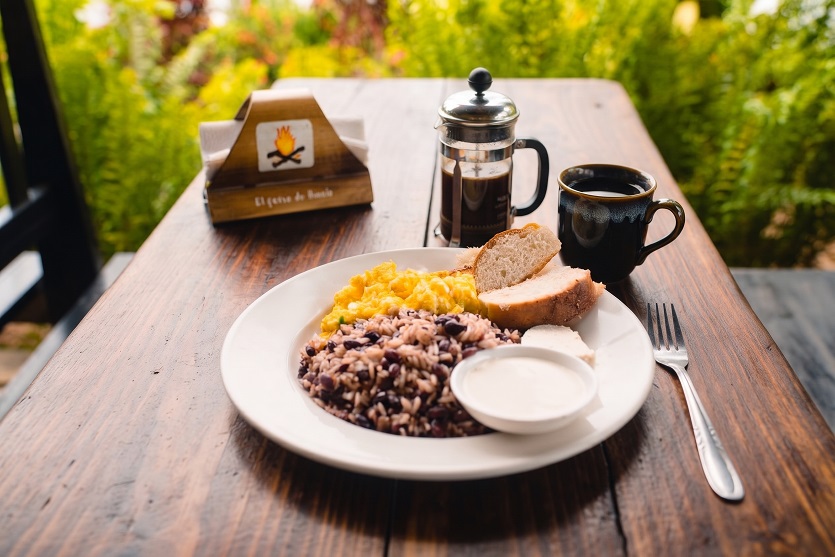
Rice and beans may sound modest, but gallo pinto earns its place at the Nicaraguan breakfast table. Here it comes with eggs, bread and coffee—a convincing argument for sitting down properly before the day begins. However, accompaniments vary. Ask what the kitchen serves, then let a familiar staple introduce you to the local routine.
Sopa de mondongo: a bowl with substance
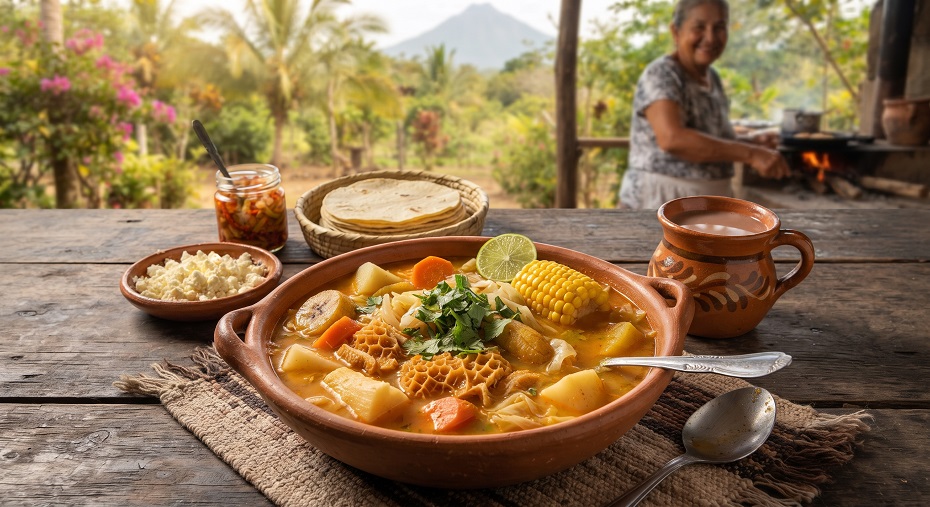
This hearty soup combines beef tripe with vegetables and spices. Masatepe, in the Masaya department, is particularly associated with it. The honeycomb pieces in the bowl are tripe, so this is one for curious eaters who enjoy a little texture. However, recipes vary; ask about the ingredients before ordering, especially if offal is unfamiliar territory.
Logistics lite: settle the details before departure
Entry rules and the shared CA-4 allowance
US guidance specifies six months of passport validity beyond arrival and a tourist entry payment, with a stay of up to 90 days. However, Nicaragua shares the CA-4 arrangement with Guatemala, El Salvador and Honduras. The allowance covers the region, rather than restarting at each border. Check your nationality’s rules and current fees before travel.
Build the first and last nights around transport
Arrange arrival transport in advance and choose the first night around the actual landing time. Then work backwards from your departure when planning the final base. An island crossing or a long road transfer needs a buffer. Also, keep driver details, accommodation contacts and key documents available offline.
Córdobas, insurance and health preparation
The córdoba is the national currency, although US dollars are used in some tourist businesses. Confirm the payment currency, exchange terms and card options before comparing prices. Also, ask your insurer whether current advice affects cover, including evacuation and planned activities. Discuss individual travel-health needs with a qualified professional.
Equipment, access and special-purpose visits
Drones are illegal, and customs may seize other photographic or electronic equipment. Therefore, read the restrictions before packing. Also, research permissions for volunteering, religious work, research or organised groups. For access needs, ask providers about actual steps, surfaces, bathrooms and transport; accessibility assistance is limited.
Nicaragua itinerary ideas: three conditional starting points
These are editorial planning ideas for people who decide to travel after reviewing the risks. First, count arrival and transfer days. Then choose what to leave out.
About a week: one city and a second focus
Choose Granada or León, then compare a second city stay with a Pacific coastal base. Leave several nights in each rather than changing rooms daily. However, check the full transfers before fixing the sequence. I would keep Ometepe for a longer visit if the crossing makes a short week feel rushed.
10–14 days: allow an island chapter
A longer visit can combine a city base, several nights on Ometepe and a mainland finish. Then assess whether a second city or coastal stay adds enough value. Protect the final connection with a mainland buffer. Extra time should make the itinerary kinder, rather than merely increase the number of beds.
Corn Islands: plan them as a distinct journey
Compare current flight and boat arrangements, weather disruption and access to care before choosing a Caribbean stay. The US guidance highlights serious diving concerns and the distance to a hyperbaric chamber. Therefore, examine operator standards and evacuation arrangements carefully. I would treat this as a separate trip decision, not a spare weekend.
Nicaragua costs: price the complete route
A cheaper room can conceal an expensive day
Add reliable transfers, boat journeys, guiding and local transport to the room price. Then compare the total. A remote property may need paid rides for every meal or outing. Also, confirm taxes, currency and cancellation terms; an attractive number means little without knowing what it includes.
Protect the money for competent support
I would prioritise trusted transport, a reputable guide and suitable insurance before a grander room. Then ask providers about equipment, emergency plans and exclusions. A low excursion price cannot compensate for weak safety arrangements. Also, keep funds available for changed travel plans rather than spending the whole budget in advance.
Fewer moves can improve both value and comfort
Choose accommodation with meals and something worthwhile nearby. Meanwhile, keep an unbooked day that can absorb weather disruption. Fewer transfers may reduce costs, but they also leave time to settle in. The best saving is sometimes the journey you decide the holiday does not need.
Small Nicaragua discoveries: leave room for people
Ask what the kitchen makes well
Rather than ordering only the dish you researched, ask what is good that day. Then let the answer guide one small choice. Explain allergies and ask about unfamiliar ingredients. A meal can introduce a place without needing an elaborate food itinerary.
Let a city have an ordinary hour
A shaded stop, a coffee and a little time can be enough. Meanwhile, look beyond the obvious building to the everyday streets around it. Use local advice about where to walk, and respect photography restrictions. Curiosity works better when it comes with consideration.
Let the landscape win without a challenge
A volcanic view does not require a summit, and a lake does not require a swim. Therefore, choose the experience that fits the conditions and your confidence. My rule is simple: leave the day enjoyable enough that changing the plan does not feel like losing it.
Nicaragua travel guide: questions before booking
Is Nicaragua currently recommended for US travellers?
The US advisory, reviewed October 31, 2026, says Level 3: Reconsider Travel. It includes serious wrongful-detention concerns alongside crime, health and arbitrary-law-enforcement risks. Read the full advice and assess your circumstances before booking. This guide does not override that warning.
Should I choose Granada or León?
Compare the actual experiences and transport rather than declaring one city the winner. Granada may suit a lake-focused route; León offers a different cultural and volcanic focus. With limited time, choose one and stay longer. Then add the second only if it improves the journey.
Is one week enough for Nicaragua?
A week can provide a focused introduction with one or two bases, if you decide to travel. However, it is short for multiple cities, Ometepe and the coast together. Count transfer days honestly. Then drop a stop before sacrificing all the time you hoped to spend in it.
Can I combine Nicaragua with Costa Rica or Honduras?
You can assess a combined route, but check each country’s entry rules and complete border transfer first. Honduras shares the CA-4 arrangement with Nicaragua; Costa Rica does not. Compare the Honduras guide and Costa Rica guide before deciding. Also, allow for delays.
Sources and a useful final check
Official sources reviewed October 31, 2026. Route shapes and pacing are editorial suggestions, conditional on your decision to travel. Recheck government advice, insurance, entry requirements and local conditions before committing money.
Official Nicaragua tourism portal · Island overview · Food traditions · Sopa de mondongo · Climate, currency and practical background · US advisory, entry and legal guidance
Give the decision as much care as the itinerary
Nicaragua’s appeal is easy to see. The harder, more useful work is deciding whether this is the right trip for you now. If the answer is yes, travel with a focused route and room to change it. If it is no, the landscape does not need to disappear from your future.
Back to top ↑