
By Rob Wheatley · Reviewed October 30, 2026 · Currency: PKR
Before the itinerary takes over
Pakistan deserves more than either a fearful headline or an enthusiastic social-media montage. Its cultural depth and landscapes can be compelling, while the planning demands are substantial. Both belong in the same conversation.
My starting rule is to assess the route before becoming attached to it. A friendly encounter, a successful previous trip or a beautiful photograph cannot establish current security conditions. If the advice and your insurance do not support the plan, change the plan.
Read this before choosing a route
As checked on October 30, 2026, the US State Department advises Level 3: Reconsider Travel to Pakistan. Its Do Not Travel areas include Balochistan, Khyber Pakhtunkhwa and the immediate vicinity of the Line of Control. Read the full advisory and your own government’s guidance; the ideas below are not a safety endorsement.
Read the full official advisoryIn a nutshell: your 60-second Pakistan scan
This is a country where feasibility belongs at the beginning of the planning process.
The useful cheat sheet
- First move: read current advice for every part of the route.
- Money: Pakistani rupees; compare complete arrangements in PKR.
- Trip shape: a focused cultural visit or a specialist journey, rather than a national sprint.
- Classic mistake: assuming a northern destination also has a suitable overland approach.
Does it fit your circumstances?
Consider your experience, health, passport, identity-related risks and tolerance for disruption. Then discuss the actual route with a reputable specialist and your insurer. If you want a holiday with minimal planning friction, compare other destinations before committing.
The Pakistan that clicks: understand a place before adding miles
Lahore and Islamabad offer different cultural starting points to investigate. However, listing a city here does not establish that a visit is appropriate for you.
Lahore: heritage with time to listen
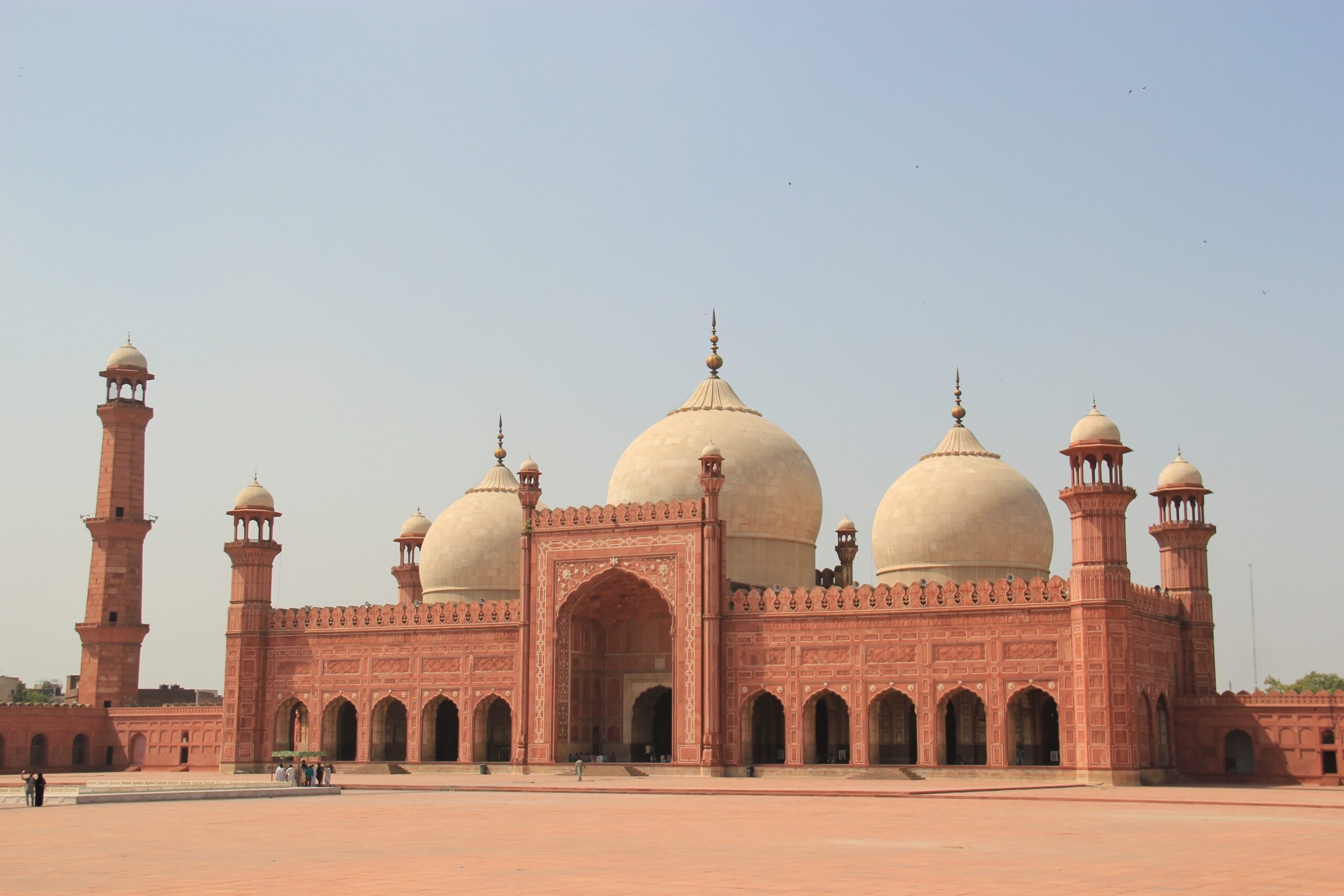
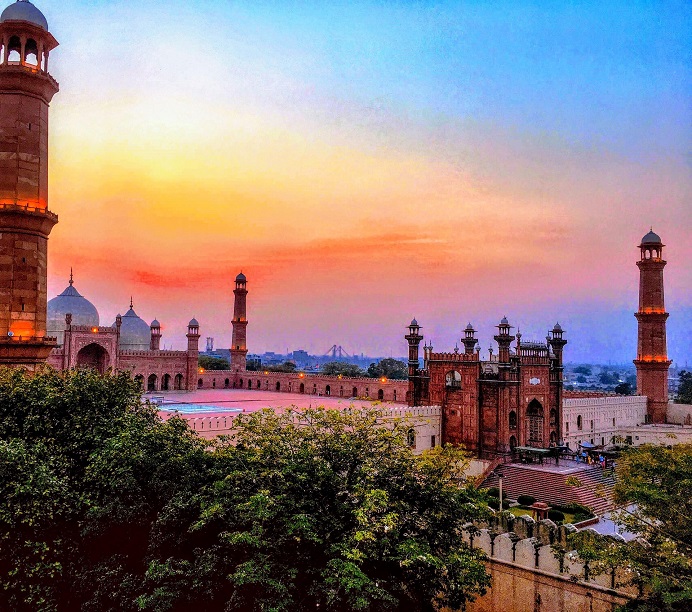
Use official tourism information to compare the historic city, Lahore Fort and Badshahi Mosque. Then choose a knowledgeable guide and a manageable daily schedule. I would leave room for the stories behind the architecture rather than treating the visit as an architectural speed run.
Islamabad and nearby heritage
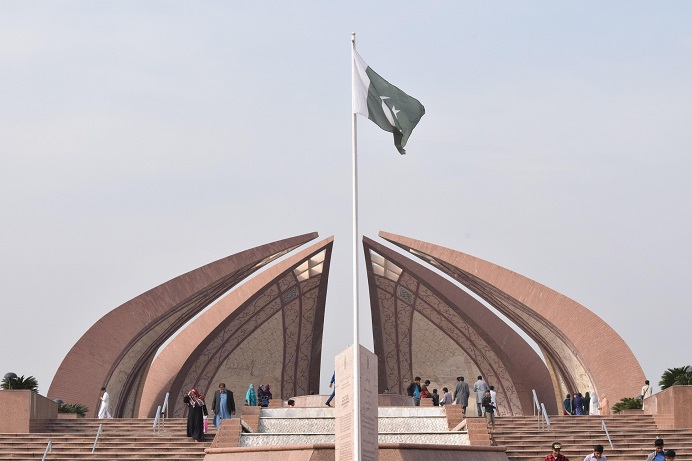
Compare Islamabad’s museums and Margalla Hills setting with the archaeological heritage at Taxila, a separate excursion to investigate. Ask how each visit fits current access and transport arrangements. A quieter-looking city still needs the same security checks as a dramatic landscape.
Vibe check: what draws you to Pakistan?
Historic cities and architecture
Start with the specific sites you want to understand, then research a suitable base and guide. Also, allow for heat, traffic and opening arrangements. A short list with proper interpretation can be richer than a crowded national circuit.
Food and everyday culture
Choose a locally informed food experience with clear hygiene and dietary arrangements. Then ask about the dish and its regional context. Hospitality deserves appreciation, but it should not pressure you into abandoning a sensible plan.
Northern mountain scenery
Hunza and Skardu feature prominently in tourism promotion. However, investigate the entire approach, permits, seasonal access and emergency arrangements before considering a booking. A photograph of a destination says nothing about the route required to reach it.
A specialist expedition
Trekking and mountaineering require a separate level of planning, with qualified support and appropriate insurance. Therefore, do not use a general country guide as an expedition brief. Begin with specialist advice and current official restrictions.
Pakistan in four seasons
There is no single best season for the whole country. Match the month to the exact city, elevation, activity and current access.
Spring · March–May
Investigate a cultural journey against local temperatures, holidays and opening arrangements. Northern conditions can differ sharply from a city itinerary. Therefore, confirm that a proposed mountain extension actually makes sense for the dates.
Summer · June–August
Heat can shape city days, while rain and mountain weather can disrupt transport. Ask the operator how they handle closures and delays. A seasonal marketing photograph is not a road-condition report.
Autumn · September–November
Compare your chosen cities with the particular mountain region you are investigating. Then check daylight, air quality and changes in seasonal services. I would protect a flexible return rather than plan a final-day dash.
Winter · December–February
A city-focused visit and a high mountain journey need very different expectations. Check cold, access and air quality for the actual location. Also, ask how heating and power arrangements work at your accommodation.
Street smarts: preparation earns its place
Research the whole transfer
Check every province and route segment, including airport journeys and any alternative road transfer. Do not accept a vague promise to switch to the road if a flight fails. The alternative route needs its own advisory and feasibility check.
Keep arrangements specific
Ask who meets you, which vehicle is used and what happens if communications fail. Save the details offline and share the plan with a trusted contact. Then set a sensible check-in routine that does not depend on one mobile connection.
Respect rules around sensitive places
Ask before photographing people, security installations or government buildings, and follow local instructions. Also, discuss appropriate dress and site etiquette with your guide. Keep political demonstrations outside the itinerary.
Food: choose curiosity over a national ranking
Regional cooking is a reason to ask better questions, not to declare that one plate represents everyone.
Nihari, karahi and a useful conversation
Ask about nihari, a slow-cooked meat stew, or the local version of a karahi cooked in its namesake pan. Then let someone explain how the dish varies. I would rather understand one meal than rush through six supposedly essential stops.
Plan the practical part too
Explain allergies clearly and check drinking-water arrangements. For a food walk, ask about hygiene, the amount of walking and whether alternatives are available. Also, leave yourself permission to stop when you have had enough.
Logistics lite: confirm before committing
Visa and permission to travel
Use the official NADRA visa portal and the relevant Pakistani mission for your circumstances. Requirements depend on nationality and purpose. Also, check whether your proposed region needs additional permissions; a visa does not establish access to every destination.
Flights, roads and a proper fallback
Compare the complete journey and its cancellation terms. Then ask the provider to explain the fallback in writing. If an alternative conflicts with official advice or insurance, it is not a useful fallback.
Health and medical support
Check current travel-health guidance with a qualified professional, including any requirements associated with polio and your length of stay. For altitude or remote activities, discuss the specific itinerary. Confirm where suitable care and evacuation support would come from.
Money, connectivity and privacy
Ask how payments work on the route and keep a contingency that suits your circumstances. Also, confirm communications and power arrangements. Avoid posting a detailed live itinerary that advertises where you will be next.
Base plans: conditional frameworks, not ready-made itineraries
Use these only if current official advice, a competent provider and your insurer support the exact arrangements.
A focused cultural introduction
Investigate several nights in one city, with a small number of guided visits and reliable transfers. Then decide whether a second city improves the trip enough to justify another travel day. The shortest workable route may be the better one.
Two distinct city stays
Compare Lahore and Islamabad as separate bases, with the connection checked against current conditions. Leave room for ordinary meals, rest and schedule changes. However, do not turn a two-base visit into a cross-country collection exercise.
A separate northern journey
If considering mountain travel, commission a specialist plan rather than attaching it casually to a city holiday. Require route-specific checks, seasonal feasibility and a credible emergency plan. A longer trip does not remove those requirements.
Costs and pace: cheap is not the same as suitable
Compare like with like
Ask for an itemised quote covering accommodation, transport, guides, permits and activities. Then compare the same level of support and cancellation flexibility. A headline daily budget can hide the pieces that matter most.
Protect the support budget
I would spend on reliable local arrangements and suitable insurance before a room upgrade. Also, ask what the provider can actually deliver during disruption. A reassuring sales conversation is less useful than a clear written plan.
Pay for fewer complicated days
Each extra region adds transfers and new arrangements to verify. Therefore, look for depth within a smaller area before adding distance. A trip that is manageable on paper still needs room for reality.
Small things worth leaving room for
A conversation with context
Tell a guide which subjects interest you and ask how to approach them respectfully. Then listen without expecting one person to explain the entire country. People deserve more than becoming supporting characters in a travel story.
One neighbourhood, understood
Where your local arrangements and current conditions support it, explore a small area with someone knowledgeable. Ask about buildings, crafts and everyday routines. Afterwards, let that understanding matter more than the number of stops.
The freedom to postpone
Sometimes the best travel decision is to keep the interest and change the timing. That is not a failed adventure. My rule: the trip should fit the conditions, rather than asking the conditions to fit the trip.
Pakistan travel guide: questions worth asking first
Is Pakistan a straightforward first independent trip?
It demands substantial route-specific preparation. Consider your experience and circumstances carefully, then compare current official advice, specialist support and insurance. A general claim that it is easy or safe would be misleading.
Does this guide recommend travelling now?
No blanket recommendation applies. The current US advisory says to reconsider travel, with specified Do Not Travel areas. Read the full guidance for your nationality and proposed route before deciding whether to proceed.
Can I add Hunza or Skardu to a short visit?
Investigate that as a separate planning decision. Access, weather, permits and backup routes need checking before the extra stop becomes part of a booking. Do not assume geographical appeal creates a practical connection.
What should I ask an operator?
Ask for the exact route, current permissions, named transfer arrangements, accommodation, insurance expectations and disruption plan. Then verify the important claims independently. If the answers remain vague, keep looking.
Sources and a useful final check
Official sources reviewed October 30, 2026. Route shapes and suggested pacing are editorial recommendations; entry rules, security advice and transport arrangements require a fresh check before booking.
Pakistan Tourism Development Corporation · Ministry of Foreign Affairs tourism information · Official visa portal · US travel advisory · Pakistan High Commission visa guidance
A trip with room to be a trip
Keep the curiosity, but let the conditions decide the timing and the route. When the practical foundations support a journey, depth is more rewarding than another complicated transfer. If they do not, the destination can remain a future possibility.
Back to top ↑