
By Rob Wheatley · Reviewed October 30, 2026 · Currency: NPR
Before the itinerary takes over
The mountains get the publicity, but a good Nepal trip also needs ordinary pleasures: a meal, a courtyard, a conversation and a morning without a vehicle waiting. I would decide how I want the days to feel before choosing how high I want to go.
My rule is simple: separate a cultural holiday from a trekking expedition in your planning. They can share a trip, but a trek needs its own time, logistics and safety decisions. Meanwhile, a Kathmandu Valley and Pokhara journey is a complete holiday in its own right.
Check the route before the postcard
As checked on October 30, 2026, the US advisory is Level 2 overall, with a Do Not Travel warning for the Rasuwagadhi–Timure–Syafrubesi area of Rasuwa district following flood damage. Read the location-specific advice before choosing a road journey or trek.
Read the full official advisoryIn a nutshell: your 60-second Nepal scan
Start with the experience, then choose the route. A small map can conceal a large travel day.
The useful cheat sheet
- First decision: culture and scenery, a trek, or wildlife?
- Suggested introduction: Kathmandu Valley plus Pokhara, with time for transfers.
- Money: Nepalese rupees; compare the whole trip in NPR.
- Classic mistake: squeezing a trek between flights without a disruption buffer.
Does it fit your trip?
You do not need to be a mountaineer to enjoy Nepal. However, steps, uneven surfaces and lengthy transfers can still shape a cultural visit. If access or stamina matters, ask about the actual walking and vehicle arrangements before booking. A mountain view and a mountain trek are different purchases.
The Nepal that clicks: choose two contrasting rhythms
For a first cultural journey, I would compare Kathmandu Valley’s heritage with Pokhara’s lakeside setting. Then give each enough time to become more than a photograph.
Kathmandu Valley: look beyond one square
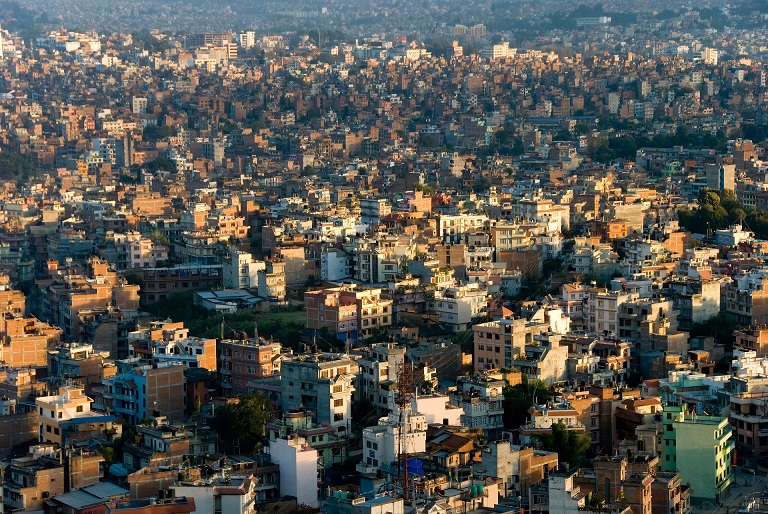
In Kathmandu, compare Boudhanath’s stupa with the historic squares of the valley. Patan and Bhaktapur offer different introductions to architecture and craft. Rather than rushing through all of them in one afternoon, choose a local guide and allow time for the streets between the main sights.
Pokhara: a base, not an obligation to trek
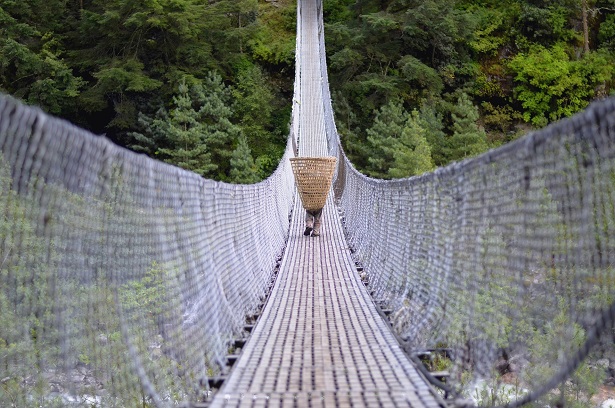
Pokhara’s Phewa Lake gives the journey a different rhythm. Compare a lakeside stay with suitable walks or a carefully selected activity. However, a clear mountain view depends on conditions, so give yourself several reasons to enjoy being there rather than building everything around one promised sunrise.
Vibe check: which Nepal are you choosing?
Culture and everyday life
Build a valley-focused stay around heritage, food and guided neighbourhood walks. Then keep a few hours free for whatever catches your attention. This works better than treating every temple as a box to tick.
A properly planned trek
Choose the route for your experience, health, season and available time. Next, confirm guide and permit requirements with a registered agency. A famous trek is not automatically the right first trek.
Wildlife and lowland contrast
Consider Chitwan as a different kind of experience, with an appropriate local operator and realistic wildlife expectations. However, add it by replacing another stop if your trip is short. A sighting is a possibility, never part of a guarantee.
Quiet days and gentle scenery
Ask for shorter walks, comfortable bases and flexible outings. Also, check access details rather than assuming that a trip described as easy suits every traveller. There is no prize for returning exhausted.
Nepal in four seasons
Elevation changes the answer. These are planning starting points; local weather, route access and current warnings take priority.
Spring · March–May
Compare cultural stays and trekking options with your preferred region. As temperatures rise, conditions differ between the lowlands and high routes. Check visibility and the actual trail plan rather than expecting one national forecast.
Summer · June–August
Monsoon rain can disrupt roads and increase landslide risk. Therefore, judge every proposed journey against current conditions. I would keep connections flexible and question any itinerary that treats a transfer as guaranteed.
Autumn · September–November
Often considered for mountain journeys, but the month alone cannot establish that a route is open. In particular, check recent storm damage, permits and local updates before relying on an older description.
Winter · December–February
Compare a lower-elevation cultural visit with the demands of high mountain travel. Ask about heating and warm bedding as well as daytime conditions. A sunny afternoon does not tell you what the room feels like at night.
Street smarts: the small decisions that help
Treat religious places as lived spaces
Ask about shoes, photography and areas restricted to visitors. Then follow the rules at the particular site. A respectful pause usually tells you more than pushing forward because someone else has a camera out.
Choose the vehicle, not just the fare
Ask who operates the transfer, where you stop and what happens if the road closes. Also, look at the arrival time. Saving a little money is less attractive if the arrangement leaves you stranded after dark.
Read the mountain paperwork
The Nepal Tourism Board lists routes requiring a licensed guide and agency-issued TIMS card. Requirements are route-specific, and other permits may apply. Therefore, confirm the exact route through a registered agency rather than relying on a blanket claim about solo trekking.
Food and a little everyday Nepal
Give a meal the same attention as a viewpoint. It is often the easiest place to discover what makes a region different.
Start with dal bhat, then ask another question
Dal bhat centres on lentils and rice, with accompaniments that vary. Rather than asking for the definitive national plate, ask what is being cooked locally. A simple meal can open a much better conversation than another list of famous dishes.
Momos without the eating competition
These filled dumplings appear in different forms and with different fillings. Choose a busy place, ask what is inside and explain allergies clearly. Then slow down enough to enjoy the sauce as well as the first hot mouthful.
Logistics lite: settle the useful details
Entry and documents
Check Nepal’s Department of Immigration for your passport and arrival arrangements. Do not assume every nationality has the same visa options. Also, keep booking details and document copies available offline.
Domestic travel and buffers
Compare a flight with the full road journey, including check-in, transfers and possible disruption. Then protect the international departure with breathing room. A chain of tight connections is a poor souvenir.
Health, altitude and insurance
Discuss your itinerary with a qualified travel-health professional, especially if it involves altitude. Check insurance for the actual activity, maximum elevation and evacuation arrangements. Fitness alone is not a substitute for a suitable ascent plan.
Access and communication
Ask about steps, bathrooms, luggage handling, electricity and connectivity at each base. For remote travel, confirm how help would be requested. Finally, share the plan with someone who knows when to expect an update.
Base plans: three sensible starting shapes
These are my suggested planning frameworks, not fixed itineraries or promises of current access. Count transfer and departure days within your holiday.
About a week: one valley, properly explored
Stay in one Kathmandu Valley base and choose a few guided heritage days, with a quieter day between them. With limited time, I would deepen the visit before adding another long journey.
10–14 days: valley and lakeside
Compare four or five nights in the Kathmandu Valley with several nights in Pokhara. Then place the transfer and a return buffer around your flights. Add outings according to the weather and your energy.
A trekking holiday: build around the trek
Choose the trek first, with a qualified provider, then add the city nights and disruption buffer it requires. Do not borrow days from acclimatisation or safety planning to squeeze in an extra attraction.
Costs and pace: buy the trip you actually want
Price the whole route
Compare accommodation, meals, transfers, permits, guiding and activities in the same currency. Then check what the quote excludes. A low daily room price says little about a specialist mountain journey.
Spend where support matters
I would protect the budget for competent guiding, suitable transport and insurance before upgrading the room. Also, ask about guide and porter working conditions. The cheapest package is not automatically the best value.
Keep one day useful without a booking
A neighbourhood walk, an unhurried meal or a quiet lakeside afternoon gives the trip room to recover. Meanwhile, that flexible day can absorb weather disruption without dismantling everything that follows.
The little things a checklist misses
Ask for a slower introduction
Tell a guide which subject interests you and what your comfortable pace is. Then leave room for their explanation. You are hiring understanding, not just someone who can walk faster between landmarks.
Look at the ordinary streets
After the main visit, explore nearby public streets respectfully and buy something you actually want from a local business. However, ask before photographing people or entering private spaces.
Let the mountain have its weather
If cloud hides the view, choose another worthwhile day instead of spending it angry at the sky. My rule: plan for a place, not a photograph you feel entitled to collect.
Nepal travel guide: questions before booking
Can I visit Nepal without trekking?
Yes. A cultural and scenic holiday can focus on Kathmandu Valley, Pokhara or a carefully chosen lowland experience. Choose the route around your interests and access needs, then confirm the local arrangements.
Is a week enough?
A week can support a focused introduction. However, I would choose one principal area rather than force culture, wildlife and a trek into the same short trip. Transfer days count.
Can I organise a trek independently?
Check the exact route’s current guide, TIMS and permit rules. The official Nepal Tourism Board list covers specific protected areas and routes. A casual online claim is not enough to establish what is allowed.
What would I book first?
First check advisories and route feasibility. Next, compare the key activity with a reputable provider and confirm insurance. Only then connect accommodation and transport around a realistic pace.
Sources and a useful final check
Official sources reviewed October 30, 2026. Route shapes and suggested pacing are editorial recommendations; entry rules, security advice and transport arrangements require a fresh check before booking.
Nepal Tourism Board destinations · Climate · Guide and TIMS requirements · Department of Immigration · US travel advisory
A trip with room to be a trip
Choose a few places that interest you, connect them sensibly and leave room for the day to surprise you. The plan should help you enjoy Nepal, rather than become the thing you spend the whole holiday trying to keep up with.
Back to top ↑