Home › Destinations › South America › Andean South America › Bolivia
SOUTH AMERICA · ANDEAN SOUTH AMERICA
Bolivia Travel Guide: Uyuni, La Paz & Sensible Routes
Bolivia can make a landscape look almost invented. The altitude, however, is entirely real. This Bolivia travel guide helps you connect La Paz, Uyuni and other worthwhile stops without ignoring the journeys, weather and breathing room between them.
My starting rule: choose the route you can enjoy at altitude, rather than the longest one you can technically complete. Then give the operator questions as much attention as the photographs.
By Rob Wheatley · Spanish; many Indigenous languages also spoken · BOB · Boliviano
Need the Gist? A 60-Second Bolivia Scan
The short version
I would allow around two weeks for a focused highland journey, with fewer stops if you arrive from sea level. Sucre, La Paz and Uyuni are possible building blocks. However, choose their order around flights and a sensible altitude plan.
The honest fit check
Bolivia suits travelers drawn to strong landscapes and cultural experiences who can tolerate some logistical uncertainty. Road disruption, elevation and basic facilities on remote tours can test patience. Therefore, do not confuse a low price with an easy trip.
The Bolivia That Clicks
A city-and-culture journey
Compare Sucre and La Paz, then add a manageable excursion rather than another long transfer. Allow time for streets, markets and museums. In addition, review the elevation of each overnight stop before confirming the order.
A landscape-focused journey
Build around a well-chosen Uyuni tour, then fit the rest of Bolivia around it. Ask about vehicle condition, accommodation and the highest places visited. A famous salt-flat photograph does not explain the full tour.
Where to Go in Bolivia
Use these as starting points, then choose the places that earn their travel time.
La Paz: a city with a dramatic setting
Give La Paz time beyond a connection. However, its elevation affects the opening days, especially after a lowland arrival. Start gently, then choose walks and guided visits that match how you feel.
Sucre: a different city rhythm
Consider Sucre for architecture, museums and a slower cultural stay. It can also offer a different introduction to the country. Nevertheless, it still sits at altitude, so include it in the overall elevation plan.
Uyuni and the salt flats
Compare a salt-flat day trip with a multi-day southwest circuit. They are not interchangeable products. Check the overnight conditions, included stops and return arrangements before choosing the cheaper quotation.
Lake Titicaca and Copacabana
Consider a lakeside stay if it fits your wider route. However, the lake region is high, and island visits can involve substantial walking. Check boat arrangements and your return before leaving the mainland.
Potosí: history that needs context
Choose Potosí for a thoughtful look at mining history and its human consequences. Ask what a proposed visit involves. A working-mine excursion is a separate safety and ethical decision, not a compulsory tourist experience.
The lowlands: a separate route choice
Santa Cruz and forest-oriented trips offer another side of Bolivia. However, they require different transport, climate and health planning from the highlands. Add them because they fit your interests, not to complete a country checklist.
Vibe Check: Is Bolivia Your Kind of Trip?
Culture with fewer transfers
Choose longer stays in a small number of cities if museums, markets and everyday life interest you. Then keep an outing optional. The unexpected conversation is less likely when you are always leaving.
Remote landscapes
Choose an operator who explains the route clearly and answers practical questions. However, be honest about your comfort needs. Cold rooms, long vehicle days and limited connectivity may be part of the product you are buying.
When to Visit Bolivia
Bolivia’s highlands and lowlands need different weather plans. Around Uyuni, the wet and dry periods can also change the experience and access. Therefore, choose the conditions you want rather than chasing a single national best month.
Highland dry-period travel
Drier months can suit outdoor routes, but cold nights still matter. Ask about heating, bedding and early starts. Good daylight photographs do not tell you what the bedroom feels like.
Wet-period salt-flat travel
Water can create Uyuni’s celebrated reflections. However, flooding can also restrict the route. Ask the operator what changes after rain and which stops may be omitted; the mirror effect is not guaranteed.
Transition periods
Conditions can change between seasons, so check recent local reports. A flexible itinerary helps, but it does not replace an operator’s current assessment. Keep an alternative activity in mind.
Lowland journeys
Plan for heat, rain and mosquito exposure according to the actual destination. Before a forest trip, discuss relevant travel-health precautions with a clinician. Also ask how heavy rain affects access.
Daily Rhythm: Leave Room for the Day
A La Paz day
Begin with a gentle local outing and allow time to rest. Then add a museum, market or guided neighborhood visit. Avoid making the first day a test of stairs and determination.
A salt-flat tour day
Check the day’s route, weather and vehicle plan before departure. During stops, follow the guide’s access instructions. Finally, ask about the next overnight conditions before the last town with supplies.
Rob’s Tips: Food, Culture and a Better Day Out
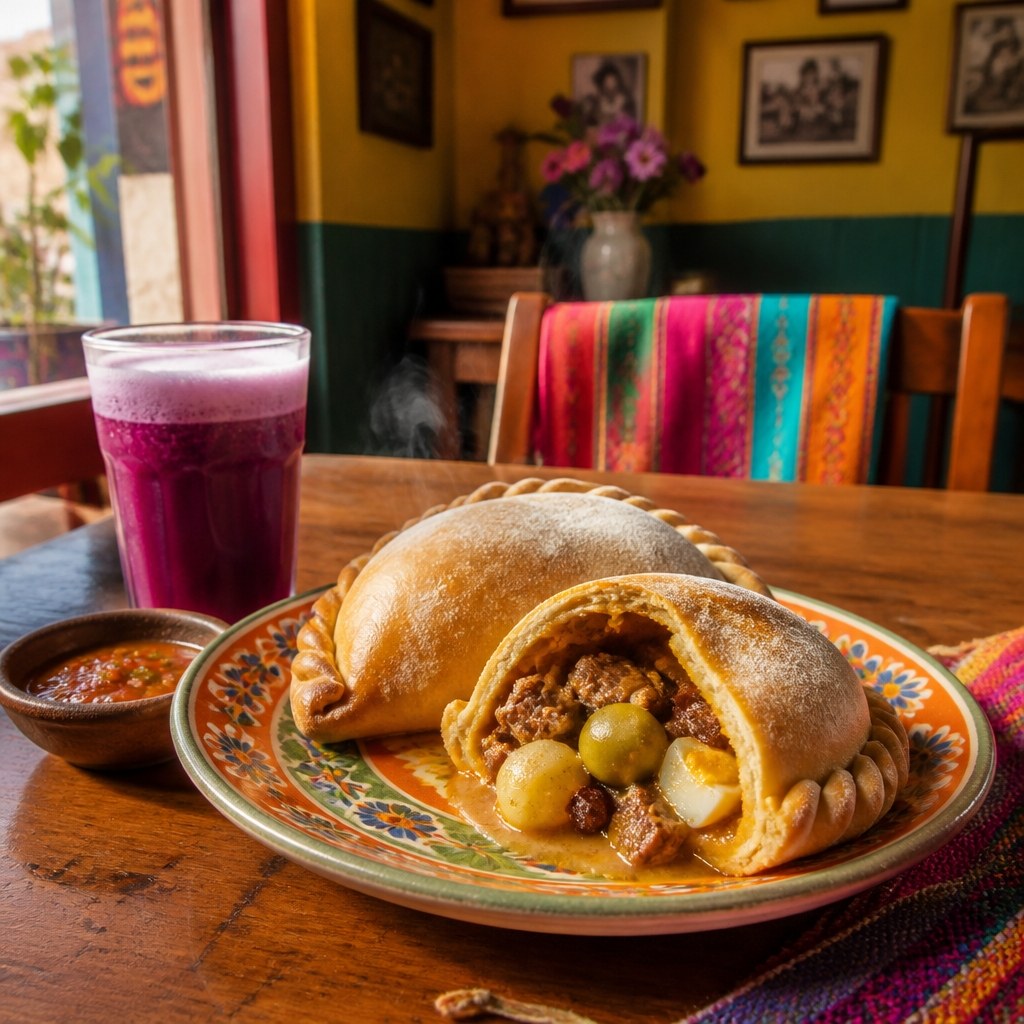
Salteñas: my daily brunch obsession
Salteñas are the food of choice. Certainly mine. These became my daily brunch staple in Bolivia, and I changed the filling each day. It was my obsession.
Think of Bolivia’s take on the empanada, with a sweet and savory twist: baked pastry filled with a meat stew, usually beef or chicken, and a wonderfully juicy, almost soupy middle. Traditionally a mid-morning snack, they fitted my brunch routine perfectly. Different filling, same obsession.
Activity: ask better tour questions
Ask about seat belts, driver hours, communication, accommodation and emergency arrangements. In addition, clarify language, group size and what happens if weather changes the route. The quality of those answers is part of the value.
Safety in Bolivia: The Practical View
Crime and disruption
Official advice identifies crime and unrest concerns, with higher-risk areas including Chapare. Protests can block roads and essential services. Therefore, check your actual route, avoid demonstrations and leave margin before an international departure.
Altitude and remote access
La Paz and Uyuni-area journeys involve high elevations, while some circuits go higher still. Follow CDC guidance and discuss your route with a travel-health clinician. Also confirm that insurance covers the activities, elevations and evacuation arrangements you need.
Logistics Lite: The Useful Essentials
Entry: use current rules
Check requirements for your passport and purpose of travel shortly before booking and again before departure. Older Bolivia visa advice can be out of date. Use official immigration or embassy information, rather than a copied checklist from another traveler.
Overland travel
Confirm the route, operating conditions and border formalities before a long journey. Ask whether the quoted arrival time assumes an uninterrupted road. A flexible ticket is useful when the plan could change.
Money
Bolivia uses the boliviano, BOB. Carry enough local cash for the confirmed itinerary and keep a backup method separately. Ask your operator where payment is due and which expenses remain outside the tour price.
Language and communication
Spanish helps with everyday logistics, while Bolivia also has many Indigenous languages. Save accommodation and ticket information offline. On remote tours, ask about emergency communication rather than assuming a mobile signal.
Uyuni: Know Which Tour You Are Buying
Day trip or multi-day circuit?
A day on the salt flats and a longer southwest expedition involve different distances, elevations and overnight conditions. Compare the actual itinerary line by line. Then choose the experience that suits your time and comfort needs.
Put the practical details in writing
Confirm accommodation standards, meals, water, driver arrangements and the final drop-off point. Also ask about cancellation or rerouting after rain. A clear written plan is more useful than the promise of a spectacular sunrise.
Base Plans: Three Ways to Explore Bolivia
These are my suggested outlines. Confirm actual transport, access and entry requirements before assigning every night.
About 10 days: choose a narrow focus
Combine a city stay with one principal landscape experience, leaving time for acclimatization and transfers. I would resist adding every famous stop. A short trip needs especially clear priorities.
About two weeks: a highland route
Compare Sucre, La Paz and Uyuni, then choose an order that fits transport and altitude needs. Lake Titicaca may fit some routes, but not every one. Count the travel days before adding it.
Three weeks or more: slow down or add a region
Extend the city stays or investigate a separate lowland experience. However, build a fresh weather and health plan for that addition. More days are valuable even when the route stays the same.
Bolivia Travel Costs: Price Your Actual Journey
Compare accommodation, transport, meals, activities and a contingency allowance. Add bags, transfers and single supplements where relevant.
What belongs in the budget?
Bolivia travel costs depend on transport and the standard of remote tours. A low daily spending figure can hide long transfers, extra admissions and cold, basic accommodation. Therefore, price the actual route and the comfort level you need.
Where I would save
First, simplify the route. Next, compare the same tour inclusions rather than the headline price alone. However, keep vehicle standards, sensible driver arrangements and suitable accommodation ahead of a small saving.
Gap Analysis: Is Your Plan Ready?
Four checks before paying
First, count full travel days. Next, check the season against your main activity. Then confirm entry rules and health needs for the exact route. Finally, keep a little flexibility around the booking you care about most.
If the route feels too tight
Remove the least important stop before cutting rest or connection margins. Then move that time to your main priority. The better trip is usually the one you can enjoy without constantly watching the clock.
Bolivia Travel Guide: Your Questions Answered
How long should a first Bolivia visit be?
I would begin around two weeks for a focused highland journey. However, arrival elevation and actual transport determine what fits. A shorter trip should cover fewer places.
Is a Uyuni day tour enough?
It can be, if the salt flats are your priority. A multi-day circuit adds different landscapes and overnight logistics. Compare the full itinerary before assuming longer automatically means better.
Will I definitely see the mirror effect?
No. It depends on water and weather conditions, which also affect access. Ask about recent conditions and alternatives, then keep expectations realistic.
Do U.S. citizens need a visa?
Rules have changed, so use current official guidance for your passport and travel purpose. The linked State Department page includes entry information. Recheck before departure rather than relying on old forum advice.
Sources and Useful Checks
Route lengths, suggested bases and budgeting choices are my recommendations. For requirements and changing conditions, use the official information below.
Let’s Talk About Bolivia
Planning a trip to Bolivia? Share your rough dates, available days and the decision you are working through. If you have already been, what would you pass on to the next traveler?