Home › Destinations › South America › Andean South America › Ecuador
SOUTH AMERICA · ANDEAN SOUTH AMERICA
Ecuador Travel Guide: Andes, Amazon & Galápagos
Ecuador can make a short distance on the map look like permission to do everything. Mountains, forest and islands soon put that idea straight. This Ecuador travel guide helps you choose between the mainland and Galápagos, then build a trip with fewer rushed connections.
My starting rule: treat the Galápagos as a proper part of the journey, with its own time and budget. Then decide how much mainland travel belongs around it.
By Rob Wheatley · Spanish; Indigenous languages also spoken · USD · U.S. dollar
Need the Gist? A 60-Second Ecuador Scan
The short version
For a first mainland visit, I would allow 10–14 days and choose two or three bases. Alternatively, build around a Galápagos stay and keep the mainland simpler. These are planning suggestions; the right length depends on your activities and connections.
The honest fit check
Ecuador offers enormous variety, but mountain roads, altitude and region-specific security issues affect the practical plan. Therefore, choose the route before the bargain flight. A compact country does not automatically mean quick travel.
The Ecuador That Clicks
Mainland first
Choose Quito and a manageable highland route, perhaps adding Cuenca or a forest stay. Then check how the journeys work in practice. Repeated returns to the same airport can quietly take over the holiday.
Galápagos first
Compare a cruise with a land-based island stay before booking mainland hotels. Each involves different transfers, inclusions and access. However, neither makes every island or wildlife encounter available on demand.
Where to Go in Ecuador
Use these as starting points, then choose the places that earn their travel time.
Quito: begin gently
Give the historic center and your chosen neighborhoods time. However, Quito’s elevation calls for an easy start. Plan transfers after dark and ask your accommodation about the immediate area.
Otavalo and the northern highlands
Consider markets, craft traditions and a slower highland stay. Before booking a day trip, check its driving time and actual stops. Ask before photographing people, especially during close-up market encounters.
Cuenca: settle into city life
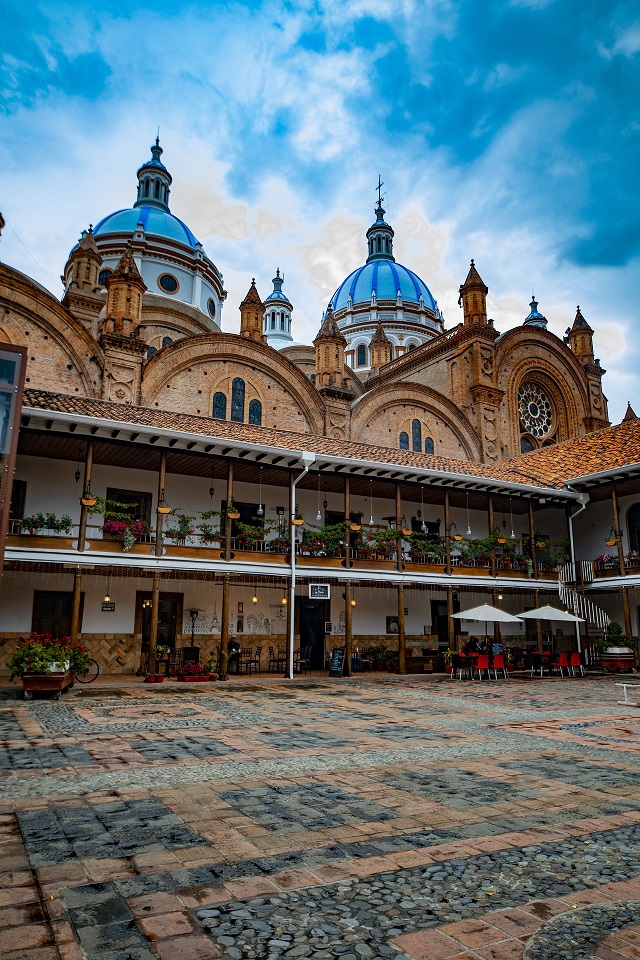
Choose Cuenca for architecture, museums and walking between unhurried meals. Then decide whether nearby outings justify extra nights. A comfortable city base can be more rewarding than another overnight transfer.
Baños and the eastern slopes
Consider this area for an active stay, but compare the risks and standards of individual operators. Weather can alter outdoor plans. Therefore, avoid booking every activity before you understand the conditions.
The Amazon: choose the lodge carefully
Ask about access, guiding, group size and the difference between forest and wildlife outings. Then compare the full package. A low room price tells you little about the experience once transport and meals are added.
Galápagos: protect the island time
Flights, island transfers, park rules and available activities shape the visit. Book the experience you want, then leave sensible mainland connections around it. Some wildlife moments also need patience rather than another booking.

Vibe Check: Is Ecuador Your Kind of Trip?
Culture and a slower mainland route
Choose a small number of highland bases if markets, architecture and food interest you. In addition, allow time for ordinary streets and conversations. Every morning does not need a pickup time.
Wildlife and outdoor activities
Choose Galápagos or an Amazon stay for a clear reason. However, ask what the package actually includes and which outings need separate bookings. Responsible wildlife travel gives animals room and follows local guidance.
When to Visit Ecuador
Ecuador’s equatorial location does not produce one national weather pattern. Altitude, the coast, rainforest and ocean conditions all matter. Therefore, choose your region and main activity before choosing a month.
Highland cities
Expect elevation to shape temperatures and pack layers. Ecuador’s tourism board promotes June–August as a mountain season, although conditions vary. Check the forecast for the actual place and activity.
Amazon visits
Rain is part of the forest experience throughout the year. Ask your lodge how water levels affect access and excursions. Also check the wet-weather plan before paying.
Galápagos
Water conditions, wildlife cycles and sea temperatures vary through the year. Therefore, ask your operator about the activities you care about most. A general “best month” list may miss your priorities.
Coastal plans
Check both local seasonal weather and the current security advice for the exact coastal area. A beach photograph does not answer either question. If the route is unsuitable, choose a different part of Ecuador.
Daily Rhythm: Leave Room for the Day
A highland city day
Start with one district and a café stop, then add a museum or market. During the afternoon, keep a flexible window for weather and rest. Finally, arrange the return journey before heading out for dinner.
An island or forest day
Follow the guide’s schedule and equipment advice. Between outings, leave time to rest and observe. Wildlife watching often becomes better when you stop trying to fill every minute.
Rob’s Tips: Food, Culture and a Better Day Out
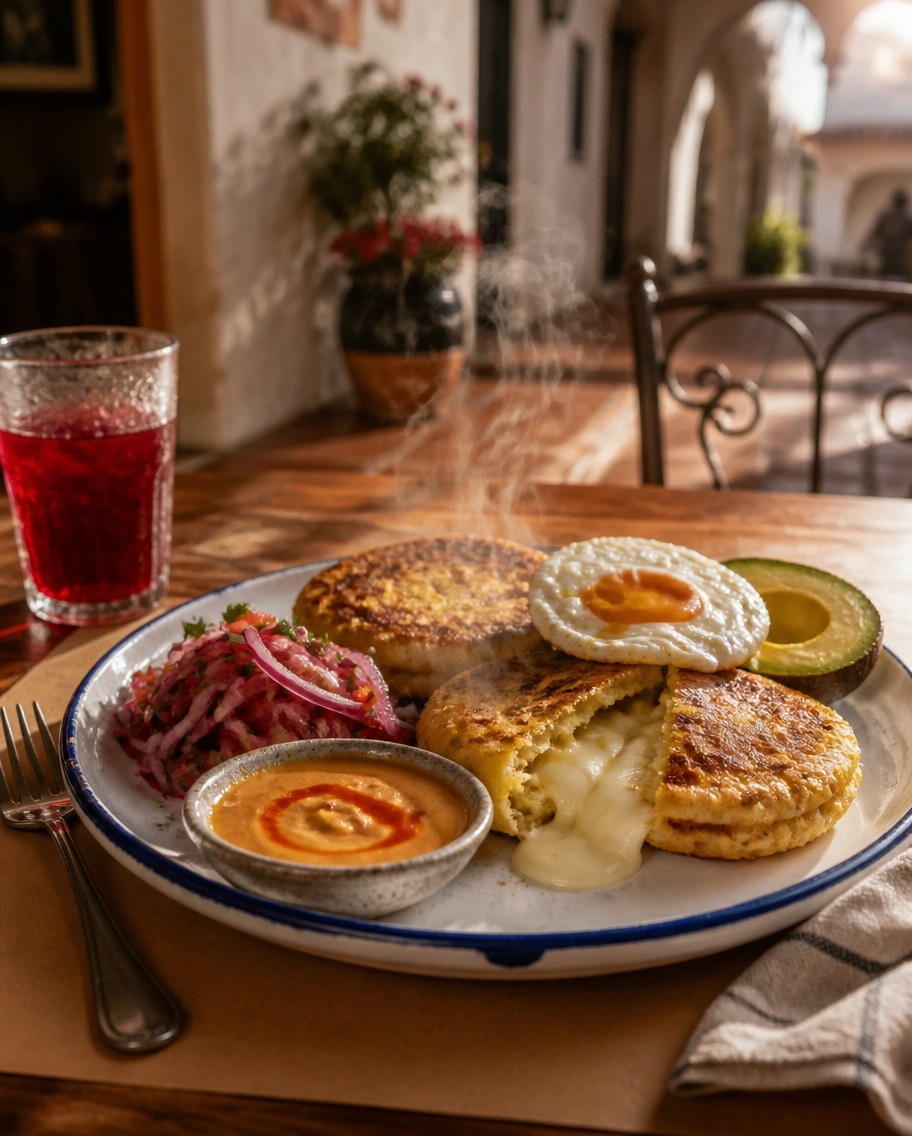
Llapingachos: potato, cheese and a very good lunch
Llapingachos are Ecuadorian mashed-potato patties filled with cheese, then cooked on a hot griddle until golden. The outside browns while the middle stays soft and cheesy. They often arrive with peanut sauce, a fried egg and avocado. In other words, this is lunch with very little interest in being a light snack.
Food: locro de papa
This highland potato-and-cheese soup is comfort food with a useful sense of place. Versions and accompaniments vary, so ask what comes with it. Then sit down and enjoy lunch instead of eating around a transport timetable.
Activity: choose depth over another region
Consider a guided historic walk, a craft visit or one well-run nature outing. Before booking, ask how much of the day is spent traveling. A strong local experience can beat a long excursion with several brief stops.
Safety in Ecuador: The Practical View
Security varies sharply by area
Crime and unrest affect parts of Ecuador, and official advice identifies areas with much higher risk. Therefore, read the regional detail before choosing coastal stops or overland routes. Arrange reliable airport transfers and avoid demonstrations.
Altitude and activity standards
Quito and Andean outings involve elevation. Consult CDC advice and discuss high-altitude plans with a travel-health clinician. In addition, check operator training, equipment and insurance for adventure activities rather than choosing by price alone.
Logistics Lite: The Useful Essentials
Entry requirements
Confirm current passport, visa, onward-travel and health-document requirements for your nationality and route. Recheck before departure, especially if visiting other countries first. Galápagos has additional visitor procedures beyond mainland entry.
Galápagos administration
Ecuador’s tourism authority describes a transit-control card, biosecurity checks and a national-park entry payment. Confirm the current process, fees and payment methods before flying. Ask your operator which tasks it handles and which remain yours.
Money
Ecuador uses the U.S. dollar. However, carry smaller notes and a backup payment method, and confirm cash needs for remote stays and island administration. Using a familiar currency does not make every island outing inexpensive.
Getting between regions
Compare complete door-to-door journeys and leave margin around an international departure. Save tickets and accommodation details offline. Before a long road transfer, confirm the route and current local conditions.
Galápagos: Compare the Experience, Not Just the Price
Cruise or land-based stay?
A cruise and a hotel-based visit organize your time very differently. Compare the actual islands, landings, guiding, meals and snorkeling arrangements. Then check cancellation terms and the travel days at each end.
Keep wildlife expectations realistic
Species and behavior vary with place and season, while access follows park rules. Ask about your specific interests before booking. However, no responsible operator should guarantee every animal encounter you have seen online.
Base Plans: Three Ways to Explore Ecuador
These are my suggested outlines. Confirm actual transport, access and entry requirements before assigning every night.
About 10 days: focused highlands
Choose Quito and one or two additional bases, with time for acclimatization and transfers. I would keep an optional outing flexible. If the plan depends on moving every other morning, reduce the list.
About two weeks: islands plus a simpler mainland
Allocate the island portion around a confirmed cruise or land-based plan. Then use the remaining days for a manageable mainland stay and connection buffers. Do not spend the last island night worrying about an impossible onward flight.
Three weeks: add one distinct region
Extend a highland-and-island route with the Amazon, or slow down the mainland journey. However, price the new transfers first. More time does not oblige you to add every region.
Ecuador Travel Costs: Price Your Actual Journey
Compare accommodation, transport, meals, activities and a contingency allowance. Add bags, transfers and single supplements where relevant.
What belongs in the budget?
The Galápagos can dominate an Ecuador travel budget through flights, accommodation, excursions and entry administration. Mainland costs also vary by transport and activity. Therefore, price your fixed experiences first, then compare the complete trip.
Where I would save
First, reduce unnecessary flights and hotel changes. Next, compare a package with the separately priced equivalent. However, keep reliable transfers and competent guiding in the budget, particularly for remote and adventure activities.
Gap Analysis: Is Your Plan Ready?
Four checks before paying
First, count full travel days. Next, check the season against your main activity. Then confirm entry rules and health needs for the exact route. Finally, keep a little flexibility around the booking you care about most.
If the route feels too tight
Remove the least important stop before cutting rest or connection margins. Then move that time to your main priority. The better trip is usually the one you can enjoy without constantly watching the clock.
Ecuador Travel Guide: Your Questions Answered
Is Ecuador small enough for a one-week trip?
Yes, for a focused visit. I would choose one main region rather than combine Quito, the Amazon and Galápagos in a week. Mountain journeys and island transfers need real time.
Do I need to visit Galápagos?
No. Ecuador’s mainland can support a rewarding trip of its own. However, if wildlife is your main reason for traveling, compare the islands carefully before finalizing the route.
Is Ecuador safe everywhere?
No destination deserves that promise. Ecuador’s official travel advice varies significantly by area, so check the exact places and transport routes you intend to use. Revise the plan if current advice calls for it.
Which currency does Ecuador use?
The U.S. dollar. Nevertheless, carry suitable small cash and confirm card acceptance before remote stays. Also check current Galápagos payment procedures separately.
Sources and Useful Checks
Route lengths, suggested bases and budgeting choices are my recommendations. For requirements and changing conditions, use the official information below.
Let’s Talk About Ecuador
Planning a trip to Ecuador? Share your rough dates, available days and the decision you are working through. If you have already been, what would you pass on to the next traveler?