Travel Field Notes · Countryside escapes
Farm Stays for People Who Hate Camping
By Rob Wheatley – Program Director & traveller · 19 October 2026
I love camping. However, I accept that some people prefer their bedroom without a zip.
For every person who happily pitches a tent, there is another standing beside the car wondering where they will plug in the hairdryer. Both deserve a lovely weekend in the countryside. They simply have different views on how much countryside should be allowed into the bed.
That’s where farm stays become interesting.
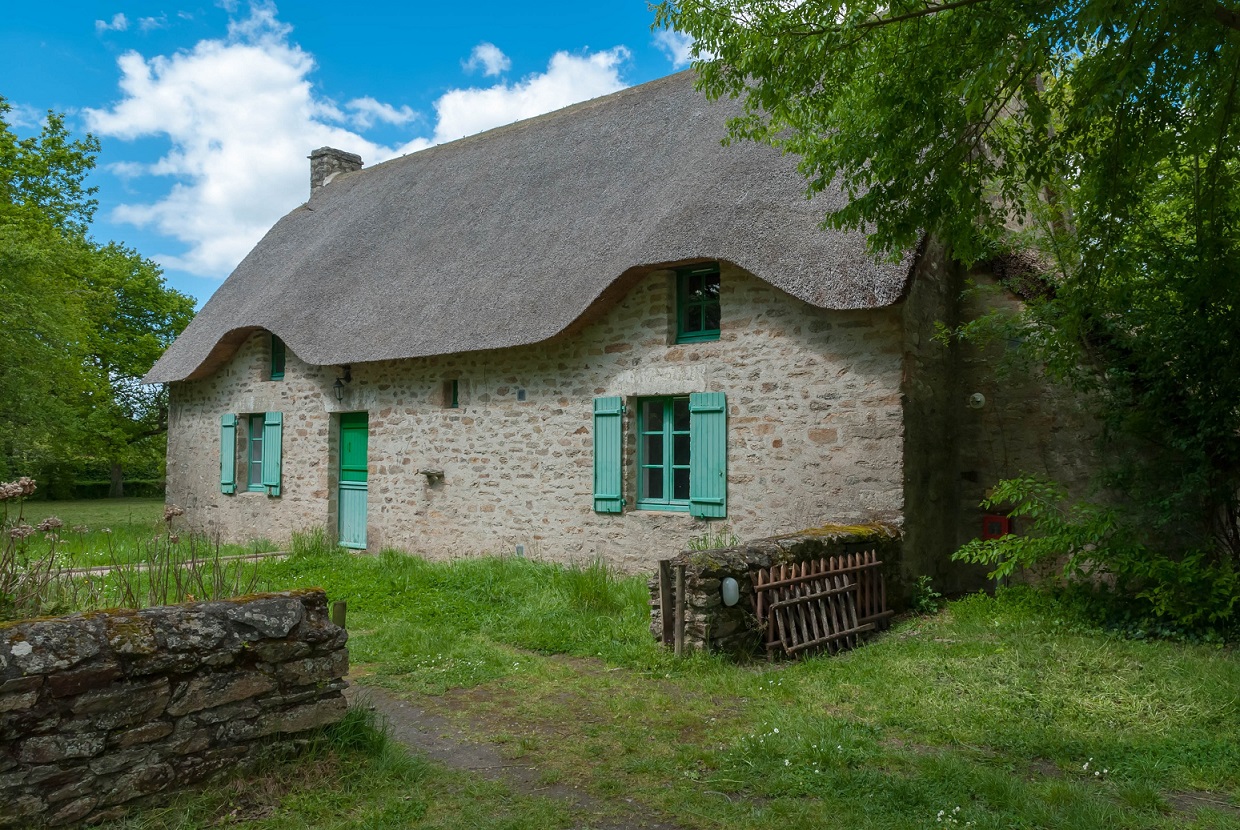
A farm stay lets you sleep on a farm or agricultural estate, with accommodation ranging from simple rooms to comfortable cottages and converted barns. For people who dislike camping, the right property offers countryside, local food and outdoor experiences, with a proper bed and the bathroom arrangements they actually want.
I love camping. You don't have to.
There is something about camping that appeals to me: being outside, having fewer distractions, and allowing the day to unfold without checking what time the next thing starts.
I understand the attraction completely. I also understand that “getting closer to nature” sounds considerably less romantic when nature is investigating your sleeping bag.
Some people dislike putting up tents. Others want a reliable mattress, a private bathroom or somewhere warm to sit when the weather turns. And for some travellers, comfort and accessibility are what make a countryside holiday possible in the first place.
None of that means they dislike the outdoors.
A farm cottage can give you somewhere to walk, somewhere to sit and absolutely no obligation to locate a missing tent peg before sunset. To my mind, that’s a perfectly respectable arrangement.
What is a farm stay, exactly?
At its simplest, a farm stay is accommodation on a working farm or agricultural property. That might mean a room in a farmhouse, a cottage beside an orchard, a converted barn or accommodation on a wine estate.
However, the label covers a broad range of experiences. One property might invite you to collect eggs and meet the animals. Another might focus on food, gardens and walking. Some offer little more than a comfortable base on farmland.
A farm stay describes the setting; it doesn’t guarantee a particular level of comfort or a programme of activities.
Glamping describes a style of accommodation. You can go glamping on a farm, but you can also book a farm stay with solid walls, heating and no canvas whatsoever. If camping is the part you dislike, look beyond the photographs of fairy lights. Check what you’ll actually sleep in.
Why everyone suddenly seems interested
Farm holidays have been around for years. What’s changed is the attention they’re getting.
Expedia Group’s Unpack ’26 research reported that 84% of surveyed travellers expressed interest in staying on or near a farm, alongside a 300% year-on-year increase in farm-related mentions in Vrbo guest reviews. Those measure interest and conversation; they don’t mean farm-stay bookings increased by 300%.
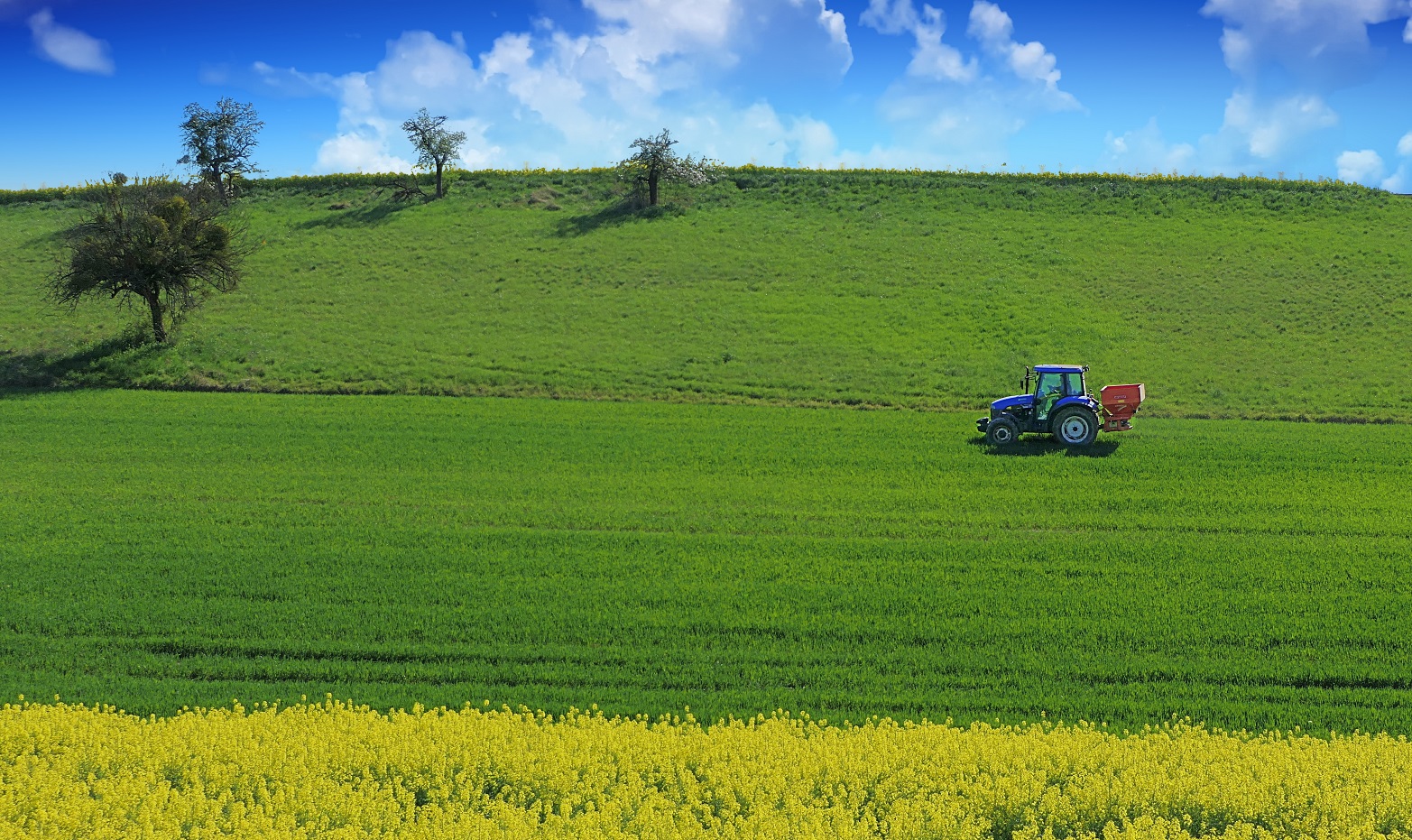
I can see the appeal. So much travel involves organising, queuing and trying to see something before everyone else arrives to see it too. A few days somewhere with a garden, a walking path and dinner nearby can sound wonderfully uncomplicated.
Besides, watching a chicken go about its business is surprisingly absorbing when nobody expects you to produce a spreadsheet afterwards.
What I'd look for before booking
For someone who dislikes camping, I’d start with the room and work outwards.
| What matters to you | What to check |
|---|---|
| A comfortable night | Bed type, heating or cooling, and recent room reviews. |
| A private bathroom | Whether it’s en suite, shared or in a separate building. |
| Easy meals | Breakfast, restaurant opening days, kitchen facilities and meal inclusions. |
| Animals and activities | What’s offered, when it runs and whether booking costs extra. |
| Easy access | Steps, uneven paths, parking distance and bathroom layout. |
| Staying connected | Wi-Fi in your actual accommodation and mobile reception. |
| A peaceful setting | Nearby roads, events, machinery and the location of livestock. |
The bathroom question deserves particular attention. “Private bathroom” and “private bathroom across a field” can produce very different reactions at two in the morning.
Likewise, don’t assume that staying on a farm includes dinner, animal feeding or access to every part of the property. Ask before you book. It’s much easier than negotiating with a locked restaurant and a hungry travelling companion.
Two places that show how different farm stays can be
These are examples I’d investigate further, rather than personal stay reviews.
Eumelia, Greece
In Laconia, in the Peloponnese, Eumelia offers houses with separate living space, kitchens, fireplaces and private verandas. The farm also advertises olive-oil tastings, cooking classes and guided farm experiences.
That combination interests me: somewhere comfortable to settle, with opportunities to understand a little more about what grows around you.
I’d rather spend an afternoon learning something about olive oil than return home with another decorative bottle whose principal achievement is gathering dust.
Explore Eumelia’s accommodation and experiencesFARMHOUSE58, South Africa
Closer to home, FARMHOUSE58 in the Cradle of Humankind offers accommodation in repurposed farm buildings, alongside gardens, dining and wellness facilities. Its Dairy Rooms have en suite showers, underfloor heating and Wi-Fi.
For readers around Johannesburg, this is the sort of nearby option I’d investigate before planning an international escape.
Sometimes what you need is a change of surroundings that doesn’t begin with an airport.
Explore FARMHOUSE58Facilities checked against the properties’ websites on 19 October 2026. Confirm current availability, rates, activities and package inclusions directly.
The countryside does have a few terms and conditions
A working farm has work to do. Depending on the property and season, that may involve machinery, early starts, animal noises and smells that were understandably absent from the booking photographs.
Nor would I promise silence or a spectacular night sky. A rural address doesn’t guarantee either. Weather, lighting and what’s happening nearby all play a part.
Before booking, I’d ask three practical questions:
- What will be happening on the farm during our stay? Harvesting, lambing and other seasonal work vary by location and year. October in Devon and October in the Western Cape are very different propositions.
- What happens if it rains all weekend? A comfortable lounge, covered terrace or appealing nearby outing can make a considerable difference.
- Can we manage comfortably without a car? Check transfers, groceries and meals—not simply whether a taxi can get you there.
If reliable internet matters, check that too. I wouldn’t describe poor Wi-Fi as a “digital detox” to someone who needs to join a work call. They may have another description ready.
Is a farm stay cheaper than a hotel?
Sometimes. There’s no automatic bargain attached to a barn.
A simple self-catering cottage and a luxury retreat with meals included are different purchases. Compare the total cost: accommodation, food, transport, activities and any minimum stay.
For a family or group, shared living space and a kitchen may be useful. For a couple hoping to avoid cooking entirely, an isolated cottage could create more work than expected.
Rob’s rule: Decide what would make the break enjoyable, then compare properties that actually provide it. “Rustic” is an atmosphere. It isn’t a pricing policy.Farm stays: a few useful answers
Do you have to help with farm work?
Don’t assume chores are included or required. Many accommodation stays offer optional activities, while work-exchange arrangements are a different proposition. Ask your host what participation involves before booking.
Are farm stays suitable for people who hate camping?
Yes, if you choose suitable accommodation. Look for a cottage, farmhouse room or converted barn with the bed, bathroom and temperature control you want. A farm setting doesn’t mean sleeping in a tent.
Are meals and farm activities included?
It depends on the property and rate. Some packages include meals or experiences; others are self-catering or charge separately. Check the exact inclusions for your dates.
Are farm stays good for families or older travellers?
They can be, but suitability varies. Ask about age restrictions, animal supervision, steps, uneven ground, parking and bathroom access. Photographs alone won’t establish whether a property meets your needs.
My verdict: bring the non-camper
I’ll happily keep camping. I like it. But I don’t need everyone travelling with me to share my enthusiasm for sleeping under canvas.
A good farm stay could be the happy compromise: walks, food, fresh air and time outside, followed by whatever level of comfort makes everyone pleased they came.
You can enjoy the countryside without earning a badge for enduring it.
And if your idea of a successful outdoor holiday ends with closing a solid bedroom door, I see no reason to argue.
For more ways to shape a trip around what you enjoy, explore my Travel Lifestyle guide or find your travel style.
Tent, farmhouse or converted barn?
What’s the one comfort you refuse to give up on a countryside escape? I’d love to hear where you draw the line.
Tell me in the comments ↓Sources & further reading
- Expedia Group: Unpack ’26 farm-stay trend findings
- Eumelia: accommodation and farm experiences
- FARMHOUSE58: Dairy Rooms and facilities
Written by Rob Wheatley, a Viking Program Director, former Cruise Director and lifelong traveller. Property descriptions are researched examples, not accounts of personal stays.
Keep exploring
Plan your next chapter
Thinking beyond a weekend away? Explore the World Travel Course for a broader planning framework.