Travel Field Notes · Thoughts from the Road
I Own a House, a Favourite Coffee Mug, and a Suitcase
By Rob Wheatley – Program Director & traveler
Updated
I own a house, a favourite coffee mug, and a suitcase that has seen more border stamps than I’ve had hot dinners. Welcome to being a semi-nomad.
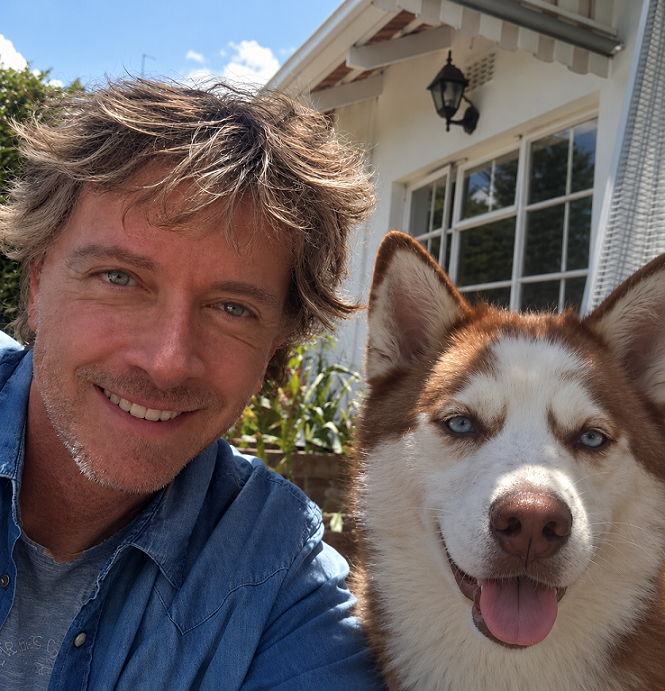
Myzen. (My Zen). And a very good reason to come home.
The short answer
A semi-nomad lifestyle means spending extended periods away while keeping a home base to return to. For me, it offers change without giving up Africa, family or Myzen. Here’s the honest trade: freedom and fresh perspective, alongside the work of maintaining relationships, caring for pets and keeping home running.
I’m a creature of change. I figured that out early. Staying in one place, all the time, just didn’t work for me. I get restless. The walls start to talk. But here’s the twist: I also never wanted to be away so long that I felt like an expat. I love home. I love the continent of Africa. It’s in my blood, and no amount of Mosel wine or Parisian croissants is going to change that.
So I found the middle ground. Go far, come back, repeat.
What I love
The freedom, obviously. The new faces, the new light, the little shock of waking up and having to remember which city I’m in. Change keeps me sharp. And because I always have a home to return to, I never lose the thing that makes travel feel special: the contrast.
What I don’t love
Let’s be honest, because nobody else will be: a mobile life makes relationships hard. If you want something solid with someone, you’re usually doing it long distance, and long distance comes fraught with challenges. Time zones, missed calls, the “I’ll be home in three weeks” conversation. It takes a very special person to sign up for that.
Pets are the other casualty. You can’t exactly pack a cat between your socks.
Enter Myzen
Had it not been for COVID and 18 months of being grounded, I would never have got a dog. But I did. And she is my ball of furry love.
Her name is Myzen, as in My-Zen, which she is. A Siberian husky in the African climate, before you ask. She’s a total wimp in the cold and comes inside the moment it drops below 70°F (about 21°C). That’s Myzen’s preference, of course, not evidence that huskies are immune to heat. By the way – If you have a thick-coated dog in a warm climate, the RSPCA’s advice on hot-weather walks is a useful place to start.
It took a long think before I made the decision. I had to be sure she’d be okay while I’m away. She is. My sister looks out for her and has her own dog, and the two of them are the best of mates. Honestly, I’m not sure who’s the bigger celebrity at the house when I leave.
Coming home is a ritual. It starts with “I’m not talking to you,” then turns into “Where the F… have you been?!” And then, finally, a husky-sized hug that makes every border stamp worth it.
Thinking of Going Semi-Nomad? Read This First
I’m not here to talk you into it or out of it. I’m here to tell you what I wish someone had told me. This lifestyle isn’t a destination, it’s a trade. Here’s how I’d think it through.
Ask yourself the honest questions
Do I get restless, or do I just need a holiday? There’s a difference. Being glad to come home doesn’t rule this lifestyle out. The question is whether you want longer spells away as part of normal life, rather than simply a holiday. If two weeks home makes the walls start talking, pay attention to that.
What does “home” mean to me? For me it’s a place and a continent. Knowing what you’d miss most tells you how far, and for how long, you can go before it starts to hurt.
Who and what depends on me being there? People, pets, parents, plants. List them. Then ask who can step in, and whether they’d be glad to.
Can I do this without leaving a mess behind? Bills, mail, house, admin. Freedom is a lot less fun when you’re sorting out a burst geyser from a different time zone.
What it gives you
- Perspective. Home looks different every time you come back to it, and so do you.
- Contrast. Because you leave, you arrive. Home never gets boring when you only live in it in chapters.
- Flexibility. You get to choose your seasons, your scenery, and your next adventure.
- Self-knowledge. Nothing teaches you how you really tick like a long stretch of figuring things out on your own.
What it takes from you
- Easy relationships. Long distance is hard, and a solid partnership takes extra effort, honesty, and a partner who really gets it. Be upfront about this early, with them and with yourself.
- Simple pet ownership. If you want an animal, you need a plan before the animal arrives: someone reliable, a setup that works, and a back-up for the back-up.
- Routine and roots. The Tuesday-night regulars, the standing coffee date, the neighbours who know your name. These are quietly lost when you’re always in transit.
- Some patience from the people who love you. Expect missed birthdays, rescheduled dinners, and the occasional “so, you’re back, are you?”
My rule of thumb
Build the base first. A home you love and people you trust make the leaving easier and the coming back better. For me, it’s a house, a sister who loves my dog as much as I do, and a husky who makes sure I never get above myself.
Build the base before you book
A semi-nomad lifestyle needs a plan for the days when you aren’t there. I’d start with these five things.
- Count both sets of costs. Home doesn’t stop costing money because you’ve gone somewhere more photogenic. Put household bills beside your travel budget.
- Agree the care arrangements. Talk through daily routines, expenses, emergencies and a back-up with whoever is helping. A favour needs boundaries too.
- Leave a useful handover. Spare keys, emergency contacts, vet details and a way to handle a household problem without an international conference call.
- Check the practical limits. Read your insurance terms and check entry and permitted-stay rules with the destination’s official authorities for your passport. GOV.UK’s country advice is a useful additional reference, written primarily for British travellers.
- Try a manageable stretch first. Choose a trip long enough to test the arrangements, then review how it felt for you and the people at home.
For the wider planning picture, start with my Travel Lifestyle guide. If the moving parts need attention, head to Travel Logistics & Transit.
A MOMENT OF HONESTY
The Semi-Nomad Quick Check
Tick what’s true for you, or screenshot this for later. This is a conversation starter, not a test you have to pass.
Do you…
Do you have…
Are you ready to…
What do your answers tell you?
- 8–9 ticks: You have plenty in place. Check the practical gaps before you pack.
- 5–7 ticks: Start small. Try a few longer trips and see how home feels when you return.
- Under 5: Identify what needs more support, or enjoy shorter trips for now. There’s no prize for being away longer.
Last word
It’s not perfect. But when you land, the kettle’s on, the husky’s sulking, and the suitcase is finally empty, it’s mine. And I wouldn’t swap it.
Semi-nomad lifestyle: a few questions
What is a semi-nomad lifestyle?
In the travel sense I’m using here, it means spending extended periods away while keeping a home base you regularly return to. There’s no fixed number of months that makes you qualify.
Do you need to work online?
No. “Semi-nomad” describes a pattern of living and travelling. “Digital nomad” describes someone who works remotely while travelling. My own work is as a Viking Program Director; your arrangement could be quite different.
Can you be a semi-nomad and have a dog?
Myzen is part of my life because I have a trusted care arrangement at home. The question is whether your particular animal’s needs can be met consistently while you’re away, with a willing carer and a back-up plan.
Is semi-nomad life the same as slow travel?
They can overlap, but they describe different things. Semi-nomad life is about balancing time away with a home base. Slow travel is about the pace and depth of a trip.
Over to you
What makes coming home worthwhile?
Could you divide your life between a home base and longer spells away? Or have you already found your own version? Tell me what works—and who’s waiting when you get back—in the comments below.