Home › Destinations › South America › Northern South America
REGIONAL GUIDE · NORTHERN SOUTH AMERICA
Northern South America: Choose the Right Journey
Northern South America brings together Caribbean-facing cities, Andean landscapes, rainforest and the Guianas. However, it is not one easy border-hopping circuit. This Northern South America travel guide helps you compare five destinations by the experience you want and the practical journey behind it.
My rule is simple: choose a compelling base and one contrast before you start collecting borders.
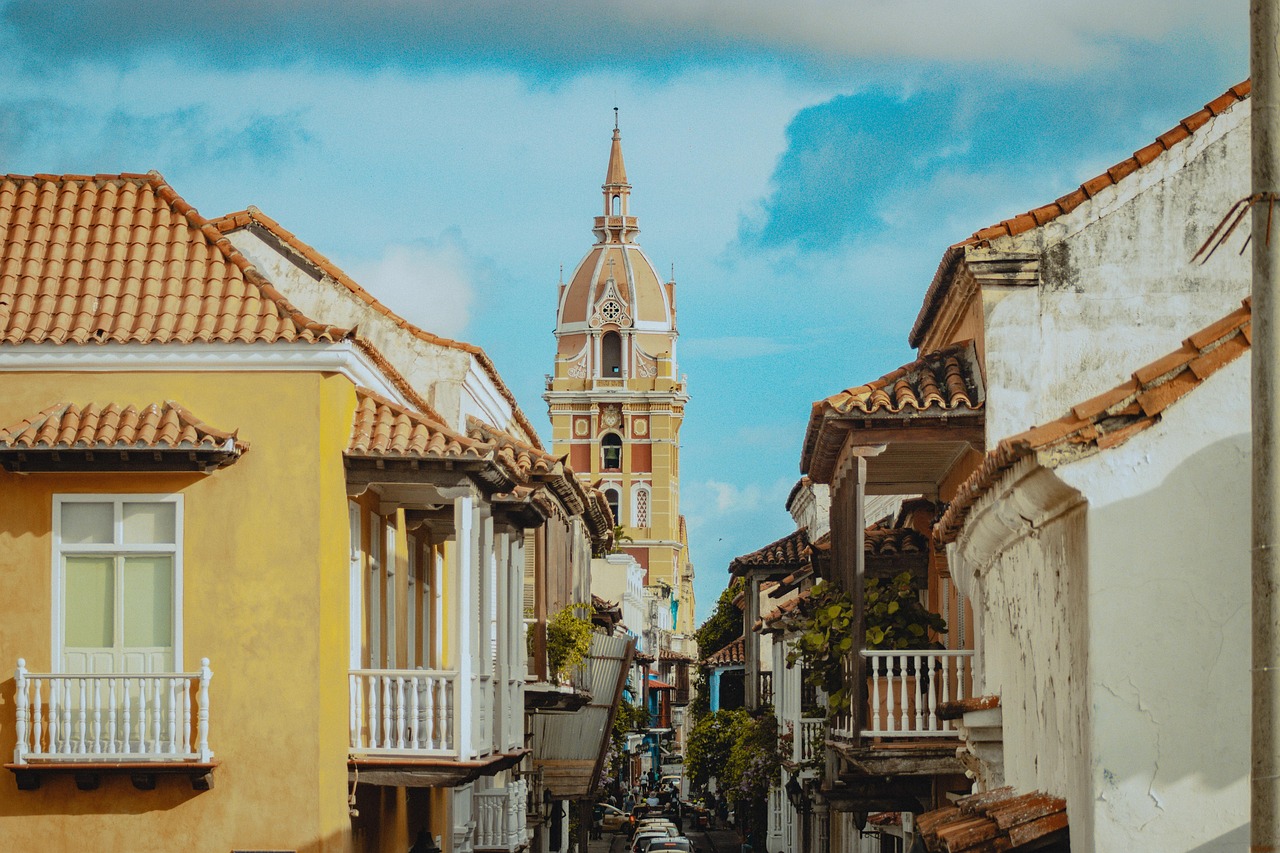
Cartagena, Colombia
By Rob Wheatley · Colombia · Venezuela · Guyana · Suriname · French Guiana
The 60-Second Scan
Five destinations, different journeys
Colombia and Venezuela are primarily Spanish-speaking; Guyana uses English, Suriname Dutch and French Guiana French. Their currencies and entry procedures also differ. Therefore, start with the destination that fits your interests rather than assuming the region works as one itinerary.
Weather and movement
Rainfall varies by coast, elevation and interior region. Similarly, a neighboring destination may require a connection or a substantial transfer. Check the exact season, route and border formalities before deciding how much you can cover.
Find Your Bearings
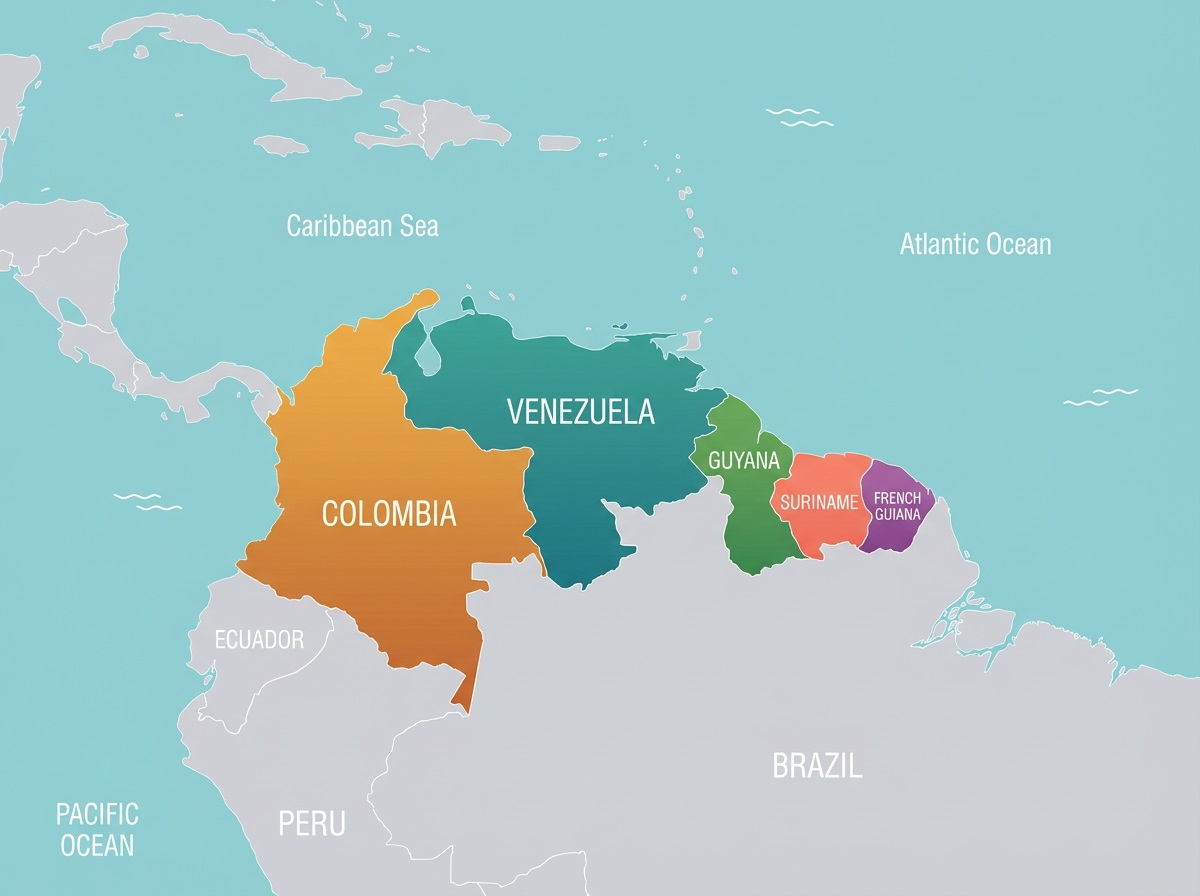
Select the map to enlarge it.
Choose Your Country or Territory Guide
Colombia
Explore cities, coasts and mountain landscapes, then choose a route that respects the distances. Explore the Colombia travel guide →
Venezuela
Research the Andes, Caribbean and Canaima alongside the current security and access limitations. Explore the Venezuela travel guide →
Guyana
Compare Kaieteur Falls, rainforest lodges and the Rupununi, with realistic transfer and guiding arrangements. Explore the Guyana travel guide →
Suriname
Start with Paramaribo’s food and history, then consider one carefully chosen interior experience. Explore the Suriname travel guide →
French Guiana · France
Compare Cayenne, Kourou and guided nature experiences. French Guiana is part of France, with entry rules separate from Schengen. Explore the French Guiana territory guide →
Safety: Compare Each Destination Separately
Current official guidance
At this review, U.S. guidance places Colombia, Venezuela and Guyana at Level 3: Reconsider travel. Some areas carry stronger warnings. Meanwhile, Suriname and French Guiana are at Level 1: Exercise normal precautions. These ratings do not describe every neighborhood, excursion or transfer.
Check your actual route
Read the complete advice for your nationality and every planned stop. In addition, check insurer coverage and the support available in remote areas. Use the U.S. advisory directory and the individual official pages linked in each destination guide.
Vibe Check: Pick the Experience First
City, culture and food
If you want urban life, history and meals that become part of the journey, compare specific cities. Then choose a neighborhood and a manageable pace. A capital is a place to understand, not merely a transfer point.
Forest, rivers and guiding
If nature is your priority, compare the habitat, guide and accommodation. Also, ask how you get there. One excellent forest or savannah stay can be more rewarding than several rushed stops connected by long transfers.
Seasons and Daily Rhythm
Check the location
Avoid one blanket best-month rule for this region. Mountain conditions, coastal rain and interior access can create different priorities. Instead, choose the main activity and ask the local provider how that month affects it.
Keep the day human
My preference is an early main activity, a proper pause and an evening that does not require another complicated journey. However, guides should adjust nature outings to conditions. Leave room for weather, rest and ordinary discoveries.
Logistics: Borders, Money and Communication
Entry is destination-specific
Check the documents and pre-arrival process for each passport and destination. French Guiana is outside Schengen, while the independent countries set their own rules. Therefore, verify the details even when two places look close on a map.
Transfers need checking
Ask which airport, river landing or border point a booking actually uses. Then confirm operating arrangements and onward connections. Avoid stacking a long or uncertain transfer immediately before an international departure.
Keep a backup
Confirm quoted currencies, payment methods and connectivity. Save documents and supplier contacts offline as well. For the wider framework, use Plan for Travel and Transit & Comfort.
Rob’s Tips: Depth Beats a Longer Country List
One food conversation
Choose a meal or cooking experience where someone can explain what you are eating. Then ask about the story behind it. That is often a better introduction than adding another stop to the afternoon.
Ask the useful questions
Before booking a remote stay, ask about guiding, bathrooms, insect protection, meals and emergency support. In addition, discuss mobility or dietary needs clearly. The small details decide whether the experience fits you.
The Gap: What People Forget to Plan
Time between the highlights
A route may look short while consuming whole days in transfers. Therefore, compare door-to-door time and leave a return buffer. If the trip feels crowded on paper, remove a stop before buying the tickets.
Know what you are choosing
Route suggestions here are editorial planning advice. Entry rules, official warnings and operator availability require current checks. Sources reviewed October 30, 2026. Return to the South America hub or country directory to compare the wider options.
Let’s Talk About Northern South America
What would you like to understand about Northern South America? Share your planning question, or pass on a useful lesson from a previous visit. Please leave out passport details and other private information.