DESTINATIONS · COUNTRY GUIDE
Lebanon Travel Guide
Lebanon works best when you travel by rhythm, not checklist speed. Distances are short on paper, but city traffic, elevation changes, and changing conditions can reshape your day fast.
My planning rule is simple: one anchor base, one contrast leg, one flexible buffer day. That keeps the trip rich and calm instead of tight and reactive.
Lebanon in 60 seconds
Trip fit
- Best for: culture-depth travelers, food explorers, heritage lovers, and mountain/coast route builders.
- Travel style: one city anchor + curated day trips performs better than multi-hotel hopping.
- Pace rule: fewer bases, tighter route logic, protected evening recovery.
- Mindset: observant, flexible, respectful, and current-info driven.
Cheat sheet
- Strong first structure: 7–9 days, 2 bases maximum.
- Easy anchors: Beirut + Byblos/Batroun corridor, or Beirut + mountain valley contrast.
- Culture note: social tone changes by neighborhood and region—read the room and adapt.
- Reality note: advisory conditions can shift quickly; verify official sources before each leg.
Dreaming hook: why Lebanon feels bigger than it looks
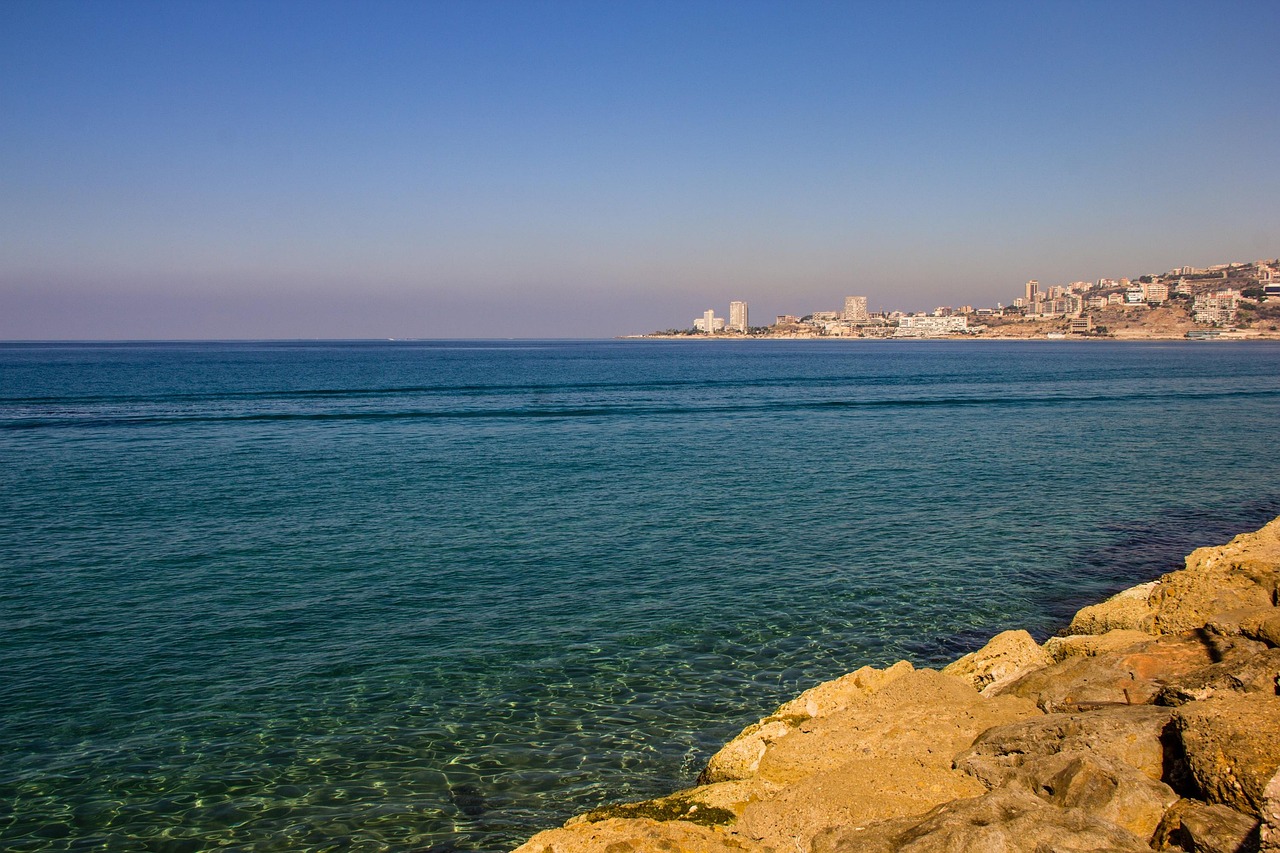
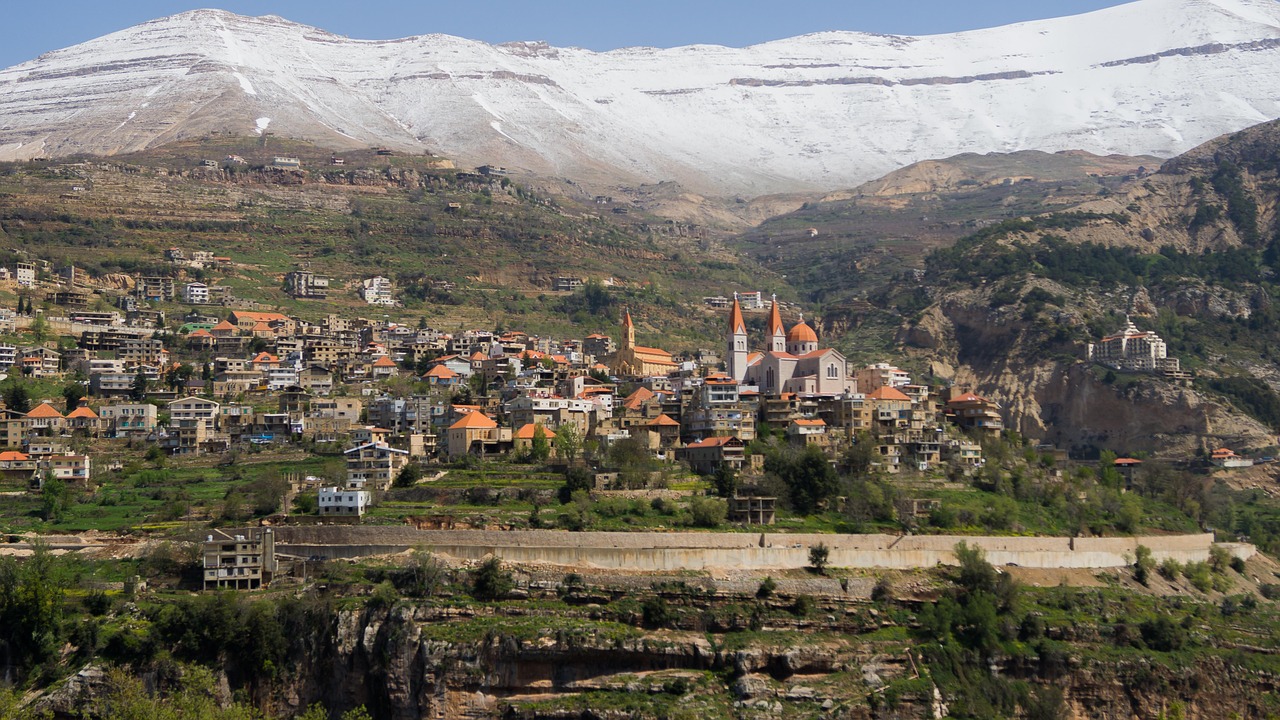
Lebanon can feel like several destinations stitched into one route: Mediterranean mornings, mountain afternoons, heritage layers, and long social evenings around food. The key is not doing more places — it’s sequencing the right contrasts.
What hits first
- How quickly the vibe changes between coast, city, and mountain pockets.
- How food and hospitality shape the whole travel experience.
- How timing (not distance) controls daily energy.
What works best
- Design each day with one purpose, not five short stops.
- Front-load essentials, then keep one day loose.
- Treat transit windows as fixed constraints, not optional.
Vibe check: is Lebanon right for your trip style?
You’ll probably love it if…
- You enjoy mixed days: heritage, food, neighborhoods, and nature.
- You like designing routes with intention.
- You’re comfortable adapting plans to local conditions.
It may feel hard if…
- You prefer rigid schedules with no route flexibility.
- You underestimate traffic and transfer drag on short itineraries.
- You skip pre-trip advisory checks and local context.
Best first-trip shape
- City anchor: Beirut.
- Contrast leg: Byblos/Batroun corridor or mountain valley day flow.
- Exit cleanly: keep your final night close to departure logistics.
Street smarts: practical safety without the drama
Lebanon planning is about precision and calm: verify current advisories, avoid assumption-based routing, and keep your movement simple.
Practical safety habits
- Check two official advisory sources before departure and during travel.
- Avoid active-risk zones and unnecessary border-proximate routing.
- Use trusted transport and save hotel/address details offline.
- Share your day plan with one contact and update if routes change.
Culture + conduct basics
- Dress and behavior standards vary by district—modest and observant is safest.
- Ask before photographing people and private spaces.
- Respect religious sites and local event timings.
- Stay alert around demonstrations or sudden road disruptions.
Logistics lite: what to lock before you fly
Entry and documents
- Check passport validity and visa pathway before booking flights.
- Entry terms vary by nationality and can change quickly.
- Save both digital and printed copies of key documents.
Arrival flow
- Book first nights in a practical, connected area.
- Keep day one intentionally light to absorb transfer and setup friction.
- Plan your first “big day” only after a full reset sleep.
Money + movement
- Carry layered payment options and a cash backup strategy.
- Confirm transport assumptions with local, current guidance.
- Route pacing matters more than distance totals.
Where to go first: simple route logic
Beirut (urban anchor)
Best for first-time comfort: neighborhood variety, food culture, museums, and practical day-trip launching.
Byblos + North Coast
Historic core atmosphere, coastal rhythm, and easier contrast against Beirut city pace.
Baalbek + Bekaa context
High-impact archaeology and deep heritage framing; only if current route safety checks stay favorable.
Mountain valleys + cedar zones
Cool-air reset leg for slower days, walks, and perspective after urban density.

Un-googleable secrets that make Lebanon smoother
Timing secret
Build around energy windows, not fixed attraction lists: lighter mornings, focused midday plan, and longer social evenings for food and local rhythm.
Route secret
One extra base looks “efficient” in a planner but often burns real travel energy. Two bases done well usually beat three done fast.
Gap analysis: common planning misses (and quick fixes)
Miss #1: too many stops
Fix: keep week trips at two bases maximum.
Miss #2: no buffer day
Fix: protect one flex day for route, weather, or security-driven adjustment.
Miss #3: static safety assumptions
Fix: re-check official advisories before each major leg.
Rob’s Pointers: a clean first Lebanon framework

My balanced 8-night shape
- Nights 1–4: Beirut anchor (city neighborhoods + one focused day trip).
- Nights 5–7: Byblos/coastal or mountain contrast base, depending on current conditions.
- Night 8: final practical night close to departure logistics.
- Rule: one “light” day stays unplanned for real-world adaptation.
This keeps the trip layered, practical, and calm.
Quick fact: Lebanon has six UNESCO World Heritage properties, including Byblos and Baalbek, which makes heritage depth possible even on a short itinerary.
Herb-Forward: Lebanese mezze tends to be heavier on fresh greens and parsley compared to the heartier, spice-focused dishes often found in Jordan.
Seafood Influence: Due to its long Mediterranean coastline, Lebanese mezze frequently incorporates small fried fish or calamari, which is less common in inland Jordanian cities like Amman.
Before you book: official checks
Use official sources for current advisories, entry rules, and heritage references.
Lebanon travel FAQs
It can be, if you keep your structure tight: one anchor base, one contrast leg, and active advisory checks. Avoid overbuilding the route.
7–9 days is a practical first window. That’s enough for depth without turning the trip into pure logistics.
Pre-book entry essentials, first accommodation, and major transfers. Keep at least one day flexible for real-time adjustments.
Trying to cover too many zones too fast. Lebanon rewards sequence and pacing more than aggressive stop-counts.
Next step options
Pick one clean action and keep momentum.
Join the conversation
Planning Lebanon now? Share your draft route in the comments so other travelers can compare approaches. If you’ve been recently, add one practical tip that made your trip smoother.