CYPRUS, WHERE BEACH DAYS MEET TEMPLE DAYS
Cyprus Travel Guide: Sunlit Coasts, Ancient Ruins
& Mountain Villages Done Right
This Cyprus travel guide helps you choose between coastal stays, historic sites and inland journeys. First decide which experiences matter most, then build a route with time to enjoy them. Compare bases, seasons and transport before booking, and leave room for a slower day rather than filling every gap with another transfer.
Cyprus is the kind of island that looks “simple” on a map… and then quietly surprises you. You’ve got Roman mosaics and amphitheatres, beaches that feel almost unreal, and the Troodos Mountains where the air changes and life slows down. Best part? Distances are short, so you can get variety without living out of a suitcase.
My Cyprus approach is clean: pick two bases, not five. Do one coast for your main beach rhythm (west or east), then add either Troodos (cooler, greener, village energy) or Nicosia (history, food, “real city” texture). Cyprus rewards steady days, not frantic hopping.
Straight talk: Cyprus has layers — including a long-running division. You don’t need to make that the “point” of your trip, but you do want to understand it so you don’t accidentally plan something unrealistic. The good news: with a calm plan, Cyprus is easy.
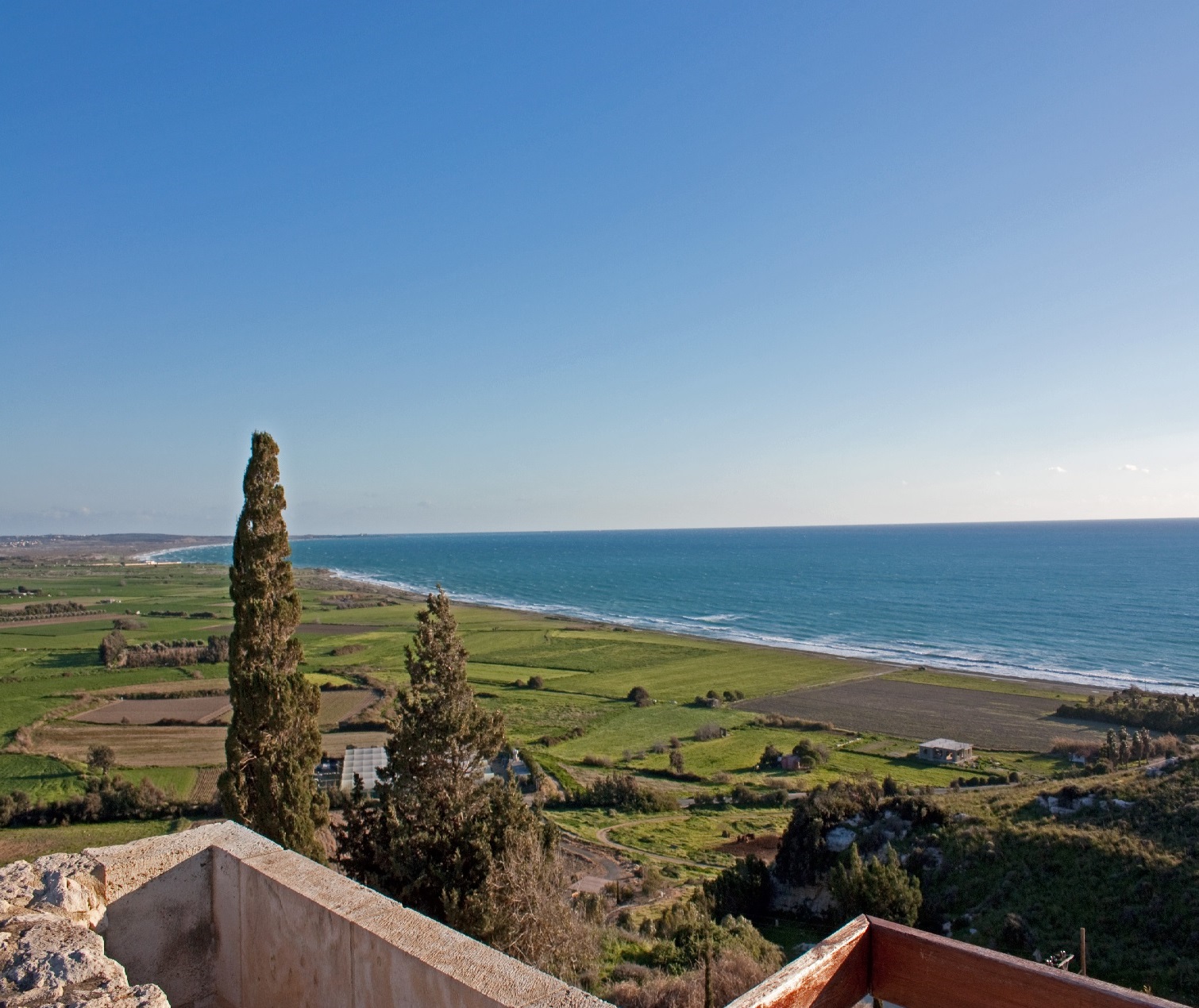
In a Nutshell (60-Second Scan)
Cyprus is best when you treat it as two vibes: coast rhythm + inland texture. Choose fewer bases, and the island starts feeling generous.
- Best first move: 1 coast base + 1 “contrast” base (Troodos or Nicosia).
- When it clicks: Beach morning → long lunch → ruins or village wander → sunset dinner.
- Easy win: Do Kourion + Kolossi + a Limassol evening as one clean day.
- Classic mistake: Trying to “do” Paphos, Limassol, Larnaca, Ayia Napa, Troodos, Nicosia in 6 days.
- Quiet flex: Swap one beach day for a Troodos village loop — food, views, and a cooler heartbeat.
- Practical truth: A car makes Cyprus much easier (public transport exists, but it won’t give you the best days).
Cyprus rewards this formula: 2 bases + day-trip loops. Less moving, more living, better meals, fewer “where’s my parking?” moments.
60-Second Fit Check
- Ideal trip length: 7–10 days (2 bases). 10–14 days if you want a slower coast + mountains + Nicosia.
- Best energy level: Medium — you can go active (hikes/ruins), or go full “coast creature.”
- First-timer friendly: Yes — especially if you keep the plan simple.
- Budget vibe: Flexible — good value outside peak summer, pricier in resort zones (and in July/Aug).
- Good to know: Cyprus drives on the left and uses Type G plugs (UK-style).
The island is compact — which means you can get “variety” without chaos, if you don’t sabotage yourself with too many hotel changes.
The Cyprus That Clicks: One Coast Base + One Contrast Base
Cyprus is at its best when it feels unhurried. So instead of pinballing across the island, build around two anchors: a coast base for beach rhythm and easy evenings, and a contrast base for depth (Troodos villages or Nicosia’s city texture).
For a first trip, pick your coast based on personality: West (Paphos) if you want archaeology and sunsets, or East (Larnaca / Protaras) if you want swim days and turquoise water on repeat. Then add a contrast: Troodos for mountains and quieter villages, or Nicosia for food, history, and a very real sense of place.
This is also where Cyprus becomes “easy”: you do day-trip loops. One loop for ruins (Kourion, mosaics, tombs), one loop for natural drama (Cape Greco), and one loop for mountains (Troodos). You get range without spending your trip in transit.
- Days 1–4: Coast base (Paphos or Larnaca).
- Days 5–7: Troodos village stay (cooler air + hikes + slow meals).
- Days 8–10: Optional Nicosia add-on if you want the city layer (and a different kind of story).
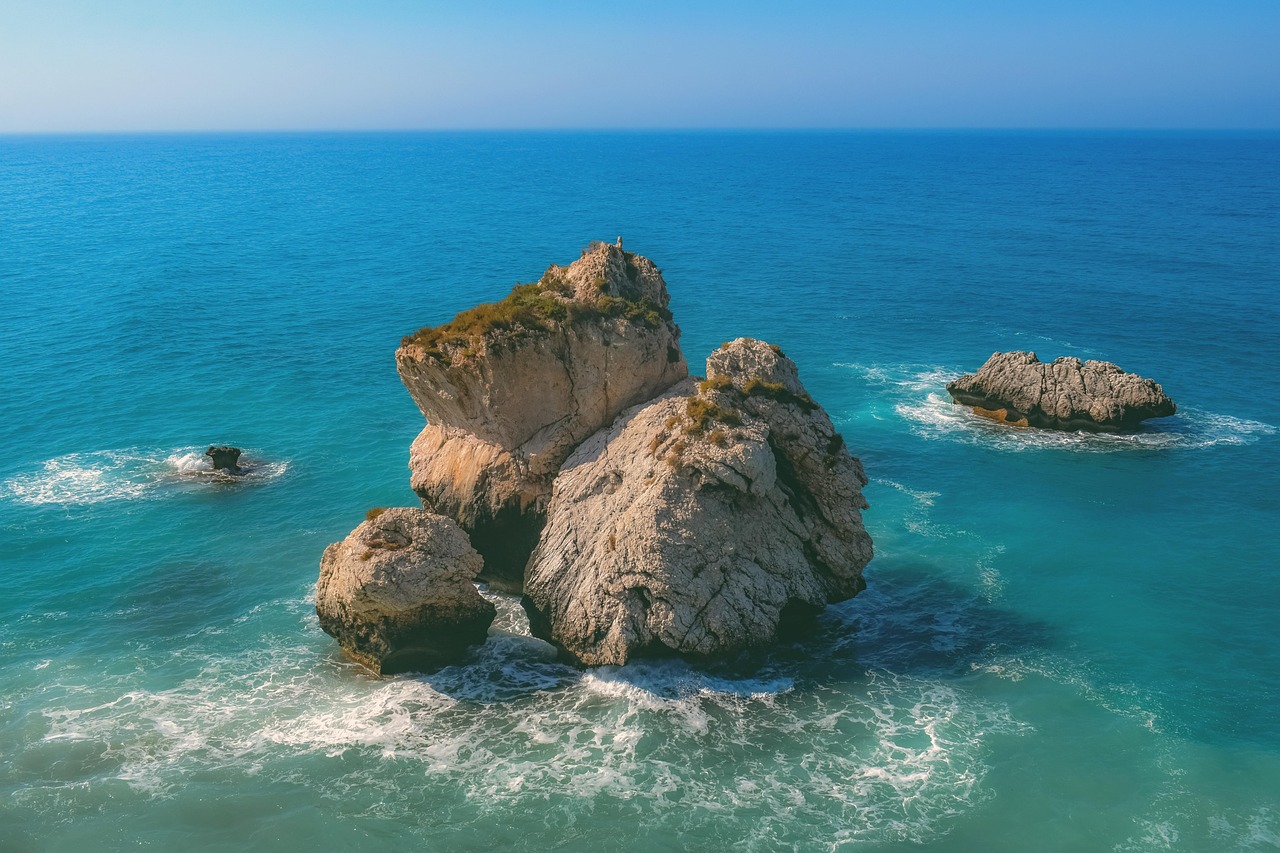
Vibe Check: What Kind of Cyprus Are You Actually Here For?
Cyprus isn’t one trip. Decide your primary mood first — then build the route to match it.
Ruins + Myth Cyprus (Kourion, Paphos, ancient layers)
You want stone, mosaics, and “how is this still here?” moments. Base west (Paphos/Limassol area), do Kourion early, and add one mountain day for contrast.
Plan like: West coast base + Troodos loop.
Swim + Sun Cyprus (clear water, easy beach days)
You want a clean beach rhythm: coffee, swim, shade, sunset, dinner. Base east (Larnaca/Protaras), do Cape Greco, and keep the plan simple.
Plan like: East coast base + one ruins day.
Mountains + Villages Cyprus (cool air, food, quiet)
You want the softer side: pine air, stone villages, local tavernas, and slower days. Troodos is your “reset button.”
Plan like: Coast base + 2–3 Troodos nights.
Cyprus in Four Seasons: Timing Changes the Whole Mood
Cyprus runs hot in summer and feels blissfully human in the shoulder seasons. Pick timing like it matters — because it does.
🌸 Spring (March–May): The sweet-spot blend
- Best for: ruins, villages, hikes, and coast days without peak pressure.
- Why it works: the island feels spacious again.
- Watch for: sea temps warm up gradually — late spring is best for swimming.
☀️ Summer (June–August): Beach season + heat reality
- Best for: dedicated swim trips and long, bright evenings.
- Reality: inland + cities can be very hot; plan ruins early and rest mid-day.
- Costs: resort areas peak hard — book earlier if you’re set on July/Aug.
🍂 Autumn (September–November): Warm sea, calmer energy
- Best for: swimming with less chaos (September is often a cheat code).
- Why it’s great: the island feels more local again.
- Watch for: late autumn can bring occasional storms — build flexibility.
❄️ Winter (December–February): Cities + mountains, not “beach fantasy”
- Best for: Nicosia food culture, museums, and Troodos winter air.
- Why it works: lower prices and a calmer, real-life Cyprus vibe.
- Watch for: some beach-town businesses slow down.
If you want the best balance (pleasant days + swim potential + less stress), aim for late spring or September.
Street Smarts: Small Cyprus Rules That Save Big Stress
- Drive on the left. Roundabouts feel weird for 10 minutes — then your brain adapts.
- Ruins early, naps later. Cyprus heat is real; do “big walking” in the morning.
- Water shoes help. Some beaches are pebbly/rocky, and sea entry can be sharp.
- Troodos is your temperature escape hatch. Pack a light layer even in warm months.
- Book smart, not hard. In peak summer, lock accommodation early — but keep your days loose.
- Know the island’s division. If you plan to cross checkpoints in Nicosia, carry your passport and check current guidance.
- Food rhythm: dinners run late and leisurely. If you rush the table, you’re fighting the culture.
- Sun discipline: hat + water + shade breaks. Cyprus will humble you otherwise.
Cyprus gets better the moment you stop trying to “optimize” it. Build two strong bases, then let the days breathe.
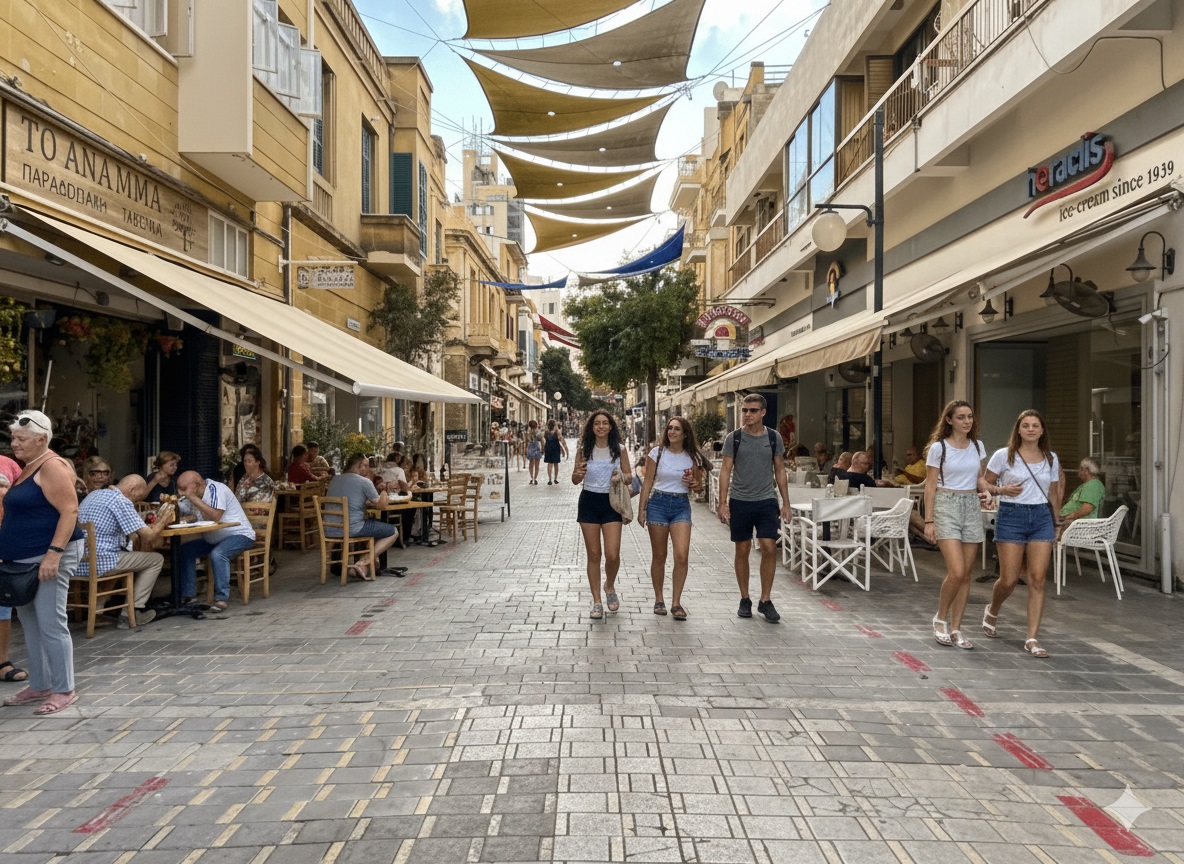
Logistics Lite
Cyprus is simple once you handle the basics: entry rules, transport, power, and a plan that doesn’t rely on miracles.
Entry rules (the short version)
Cyprus entry requirements vary by passport. If you’re routing through different areas of the island, double-check practical guidance before locking non-refundable plans.
Visas and travel documentsMoney (Euro) + the North (practical note)
The Republic of Cyprus uses the Euro (€). In the north, the Turkish lira is commonly used. Keep a little cash for small spots — and don’t assume every beach kiosk loves your card.
Travel budget planningPower + emergencies (save this)
Cyprus commonly uses Type G plugs (UK-style), 230V / 50Hz. Emergency number: 112.
Getting around: buses vs car
You can do Cyprus without a car in the main towns, but the “best Cyprus days” usually involve beaches, ruins, and villages that are easier with wheels. If you rent, remember: left-side driving.
Travel logistics & transit (site guide)Best “don’t waste time” booking tip
For peak summer, lock your accommodation base first, then plan day trips around it. The trip feels calmer immediately — and you avoid the “everything’s sold out” spiral.
UNESCO hits (if you want the heavyweight history)
Cyprus has serious heritage: Paphos, Choirokoitia, and the Painted Churches of Troodos. If you love history, give them real time — not a rushed drive-by.
UNESCO list (official)Base Plans: 3 Simple Ways To Build a Cyprus Trip That Works
Pick one and commit. Cyprus gets better when you stop “collecting towns.”
Plan A: West + Mountains (7–10 days)
- Base 1: Paphos (ruins + sunsets + west-coast rhythm).
- Base 2: Troodos villages (cooler air + hikes + food).
- Do: Kourion, Paphos mosaics, a winery/village loop.
History lovers who still want swim days — without turning the trip into a driving marathon.
Plan B: East Coast Swim Week (6–9 days)
- Base: Larnaca or Protaras (easy beach rhythm).
- Do: Cape Greco, boat day, one ruins day (Kourion or Paphos if you’re willing).
- Rule: Don’t over-schedule — the point is the water.
You get maximum “Mediterranean reset” with minimal logistics friction.
Plan C: City + Coasts (8–12 days)
- Base 1: Nicosia (food, history, real city energy).
- Base 2: Choose west or east coast for your beach rhythm.
- Do: Day-trip loops, not hotel hopping.
You get contrast: Cyprus as a living place, not just a resort postcard.
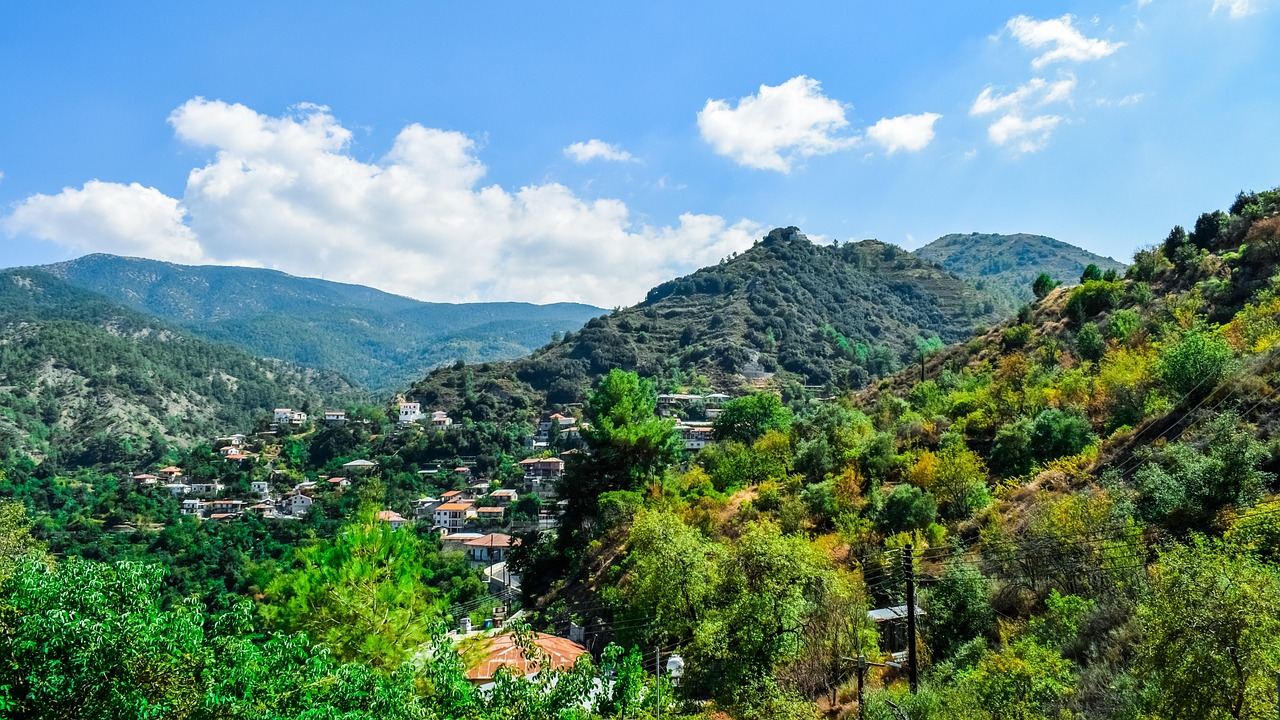
Troodos: The “Second Trip” Inside Your Cyprus Trip
If you’re doing Cyprus in warm months, Troodos isn’t optional — it’s a quality upgrade. You get cooler evenings, slower village life, and that satisfying feeling of seeing a Cyprus most beach-only trips miss.
Even two nights in the mountains changes the whole trip: you reset your body from the sun, you eat differently, and you stop feeling like you’re repeating the same coastline day.
Plan Troodos days around morning drives and late lunches. The best moments happen in the unplanned gaps.
Costs & Pace: What Actually Moves the Needle in Cyprus
Cyprus can be great value — until you combine peak summer + resort zones + constant moving. Your choices matter more than your spreadsheet.
Cyprus isn’t one price. Resort-heavy areas in peak season can jump, while shoulder season and inland stays often feel far more reasonable. Your three biggest levers are season, where you base, and whether you rent a car.
- Season strategy: Shoulder seasons often deliver the best “value-to-vibe” ratio.
- Base strategy: Two bases beats four — fewer check-in/out costs and more relaxed days.
- Food strategy: Cyprus is a win if you lean into simple tavernas and local plates, not tourist-strip menus.
- Transport strategy: A car costs money, but it can save time and unlock the best days.
- Daily average (rough): Budget €55–85/day, Mid-range €95–150/day, Comfortable €160–240+/day (higher in peak resort weeks).
The best Cyprus trips aren’t “packed.” They’re spacious. Pick good bases, drive less, swim more, and let meals run long.
🇨🇾 Cyprus Daily Rhythm Comparison
How your pace shapes your day (and your spend)
Prices are illustrative (EUR / €) to show how pace tends to affect spending. Always check current costs and seasonal spikes.
Un-Googleable Cyprus: Tiny Choices That Change the Whole Trip
These aren’t “secret spots.” They’re the small behaviors that make Cyprus feel warm and real instead of transactional.
Choose one “long lunch” day and defend it
Cyprus shines when you stop rushing. A long lunch becomes a whole experience — and your day slows into something better.
Do one coast sunrise or sunset properly
Pick one iconic coast moment (Cape Greco caves, west-coast cliffs, a quiet beach) and stay longer than feels efficient. That’s how trips become memories.
Become a “regular” somewhere
Stay in one base long enough that someone recognizes you. It’s a subtle upgrade — and Cyprus hospitality responds to it.
Swap one beach day for a village loop
Troodos villages add character and contrast. Even a single mountain day makes the coast feel fresher again.
Go early, then go late
For ruins and viewpoints: early morning for comfort, late golden hour for vibe. Mid-day is for shade and sanity.
Let “simple food” be the point
Cyprus doesn’t need fancy. A good taverna meal, slow bread-and-salad starters, and local plates are the real luxury.
Cape Greco: A Quick Nature Hit That Feels Like a Different Planet
If you’re based on the east, Cape Greco is an easy “wow” moment: sea caves, cliff edges, and water that looks edited. Go early or late for fewer people and better light.
Cliffs are not the place for flip-flops and heroic Instagram moves. Grip shoes and calm decisions win.

Gap Analysis: Is Cyprus Right for Your Kind of Trip?
Cyprus is a strong yes for a lot of travelers — especially if you like coast days with “real place” texture. Here’s the honest read.
You’ll love it if…
- You want beaches and history without crossing borders.
- You like short drives and easy day-trip loops.
- You enjoy slower evenings and long meals.
- You want a trip that can be relaxing or active depending on the day.
- You appreciate “layers” — ruins, villages, and modern life in one compact place.
Plan around it if…
- You hate driving (solution: base in one town and accept fewer “remote” wins).
- You struggle with heat (solution: shoulder seasons + Troodos nights).
- You want constant nightlife everywhere (solution: choose a base that matches your scene).
- You’re sensitive to political complexity (solution: keep plans simple and follow official guidance if crossing).
Cyprus is best for travelers who value rhythm + contrast over “maximizing stops.” Two good bases will beat five average ones every time.
Cyprus FAQs
Quick answers to the questions people actually stress about before Cyprus.
How many days do I need in Cyprus?
A strong first trip is usually 7–10 days with two bases. If you want coast + Troodos + Nicosia at a relaxed pace, aim for 10–14.
Where should I base myself first: west or east?
Go west (Paphos) for archaeology and sunsets, or east (Larnaca/Protaras) for swim days and clear water. Then add Troodos or Nicosia as your contrast.
Do I need to rent a car in Cyprus?
It’s not mandatory, but it’s a major upgrade if you want villages, ruins, and quieter beaches without constraints. Cyprus drives on the left.
Is Cyprus expensive?
It depends on season and area. Peak summer and resort zones can climb; shoulder seasons and inland stays often feel far better value.
What’s the best time to visit Cyprus?
Late spring and September are often ideal: warm days, swim potential, and less peak-season pressure.
What plugs do I need in Cyprus?
Cyprus commonly uses Type G (UK-style) plugs, with 230V / 50Hz. A universal adapter covers you.
Is Cyprus safe for tourists?
Generally yes. Use normal city awareness, respect heat and driving conditions, and if you plan to cross checkpoints in Nicosia, follow current official guidance.
Plan your next step
Compare the Europe travel hub and the Southern Europe guides, then use the trip-planning guide to work through dates, connections and budget.
Join the conversation
Are you doing Cyprus for the beaches, the ruins, the mountain villages — or that perfect mix of all three? Share your rough route and what you’re most excited (or unsure) about. And if you’ve got Cyprus tips (best base choices, Troodos village picks, or a “don’t miss this meal” moment), drop them in — it helps the next traveler plan smarter.