North Macedonia Travel Guide: Ancient Lakes, Bold Statues & The Balkans' Best-Kept Secret
This North Macedonia travel guide helps you choose between Skopje, Lake Ohrid and a manageable first route. First decide which experiences matter most, then build a route with time to enjoy them. Compare bases, seasons and transport before booking, and leave room for a slower day rather than filling every gap with another transfer.
North Macedonia is the country nobody expected to fall in love with—until they arrive. It's where 3-million-year-old Lake Ohrid meets neoclassical Skopje statues, Orthodox monasteries cling to cliffsides, and tavce gravče is served with genuine pride. This is the Balkans before the tour buses arrived.
My Macedonia philosophy: don't rush through to Greece. Most travelers use it as a highway between Albania and Bulgaria. The magic happens when you slow down in Ohrid, explore Matka Canyon by kayak, and sit lakeside at sunset with a glass of T'ga za Jug wine.
Straight talk: The country is wildly affordable, English is widely spoken among younger generations, and the food is criminally underrated. Aim for May to September for lake swimming and mountain hiking, but autumn offers golden landscapes and harvest festivals.
By RobLast updated: February 2026~15–20 min readCurrency: MKD (Denar)
North Macedonia is where UNESCO-listed lakes meet unexpected capital city energy,
Orthodox monasteries, and some of the most affordable travel in Europe.
Best first move: Ohrid (3–4 days) for the lake, then Skopje (2 days) for the urban contrast.
When it clicks: Swimming in Lake Ohrid at dawn when the water is glass-clear and you realize it's older than most mountain ranges.
Money truth: One of the cheapest countries in Europe. A full dinner with wine costs €8–12.
Easy win: Kayak through Matka Canyon—turquoise water, medieval monasteries, and zero crowds.
Classic mistake: Skipping Ohrid's old town at night when locals promenade and everything is lit like a fairytale.
Quiet flex: Lake Ohrid is one of Europe's oldest and deepest lakes, with species found nowhere else on Earth.
Key Takeaway
Macedonia is a "slow reveal" destination. It doesn't assault you with beauty—it earns your affection gradually.
60-Second Fit Check
Ideal trip length: 6–8 days (Ohrid, Skopje, Matka, and one mountain monastery like Sveti Naum).
Best energy level: Low to medium. This is a country that rewards wandering, not sprinting.
First-timer friendly: Very. English is common in tourist areas, signs are in Latin script, and locals are helpful.
Budget vibe: Backpacker paradise. Seriously—your money stretches 2x further than neighboring Greece.
The Macedonia That Clicks: Ohrid's Soul + Skopje's Chaos + Mountain Silence
If you want Macedonia to make sense, you need three ingredients: Lake Ohrid for timeless beauty,
Skopje for the weird-and-wonderful urban energy, and Matka Canyon or Mavrovo
for mountain peace.
Start in Ohrid—the jewel of the country. This UNESCO town wraps around Europe's oldest lake, with Byzantine churches
on every corner and water so clear you see 20 meters down. Swim from the rocks, eat grilled pastrmka (trout) lakeside,
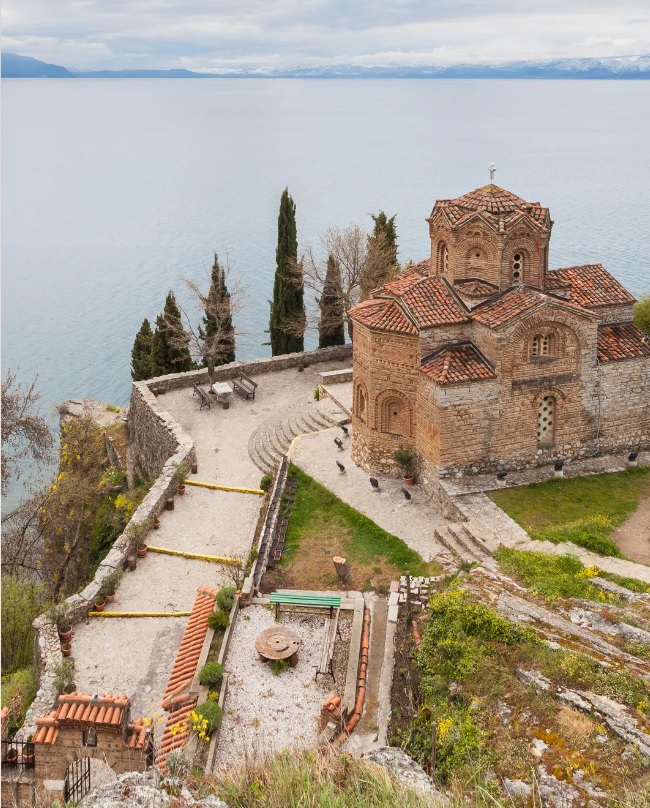
and hike to St. John at Kaneo for the postcard shot everyone gets but nobody regrets.
Then head to Skopje, which will confuse you. The city was rebuilt after a 1963 earthquake, and in 2014 the government
launched "Skopje 2014"—a controversial project that erected dozens of neoclassical statues and buildings. Love it or hate it,
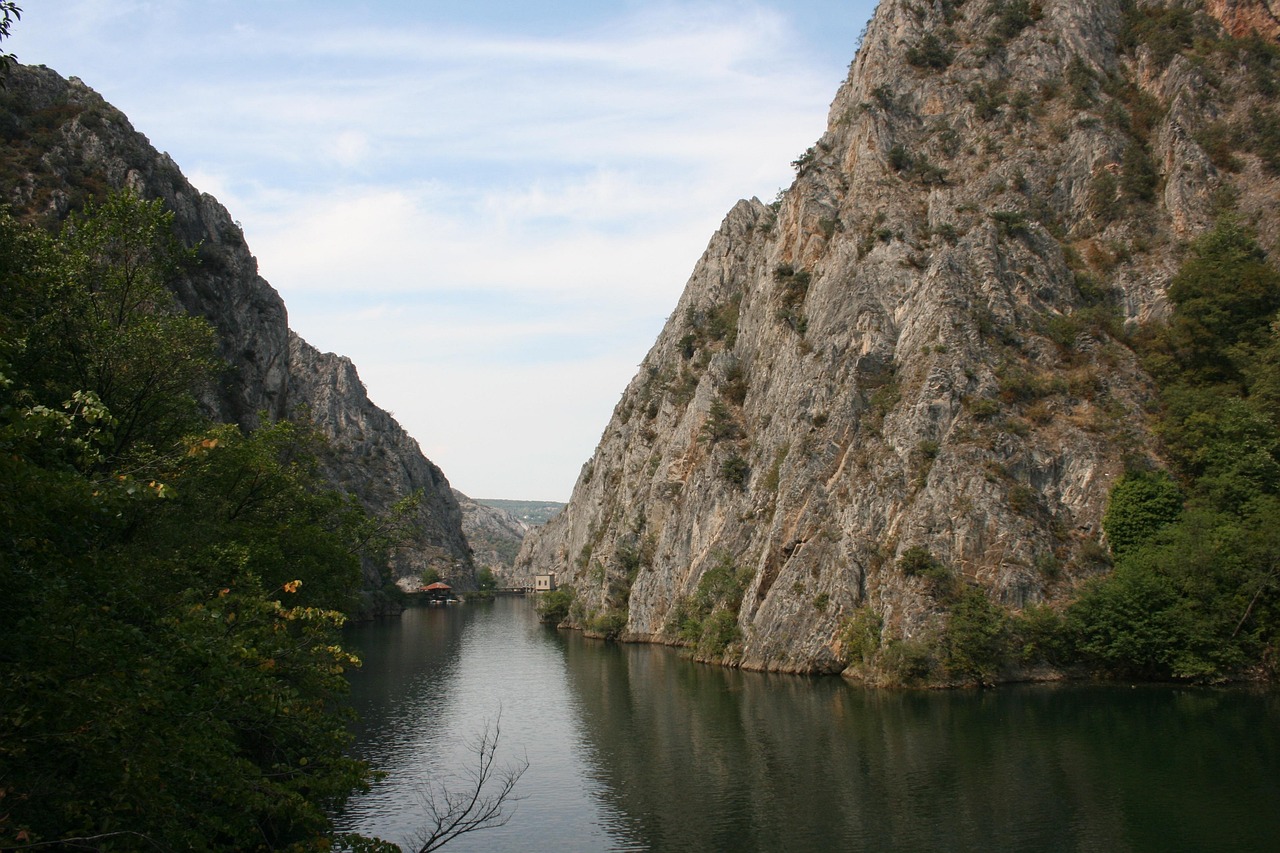
it's memorable. Cross the Stone Bridge, explore the Ottoman Old Bazaar, and don't miss Matka Canyon—a 20-minute drive
for kayaking among monasteries and caves.
If you have extra time, drive to Mavrovo National Park for mountain villages, hiking, and the half-submerged church
in Mavrovo Lake (visible when water levels drop). Or visit Sveti Naum Monastery on the Albanian border—peacocks
roam freely, and the springs feed crystalline canals.
What I'd do
Day 1–4: Ohrid (Old Town, Lake swimming, Sveti Naum day trip, St. John at Kaneo at sunset).
Day 5–6: Skopje (Old Bazaar, Matka Canyon kayaking, city statues).
Day 7–8: Mavrovo National Park or Bitola (if you want Ottoman architecture and café culture).
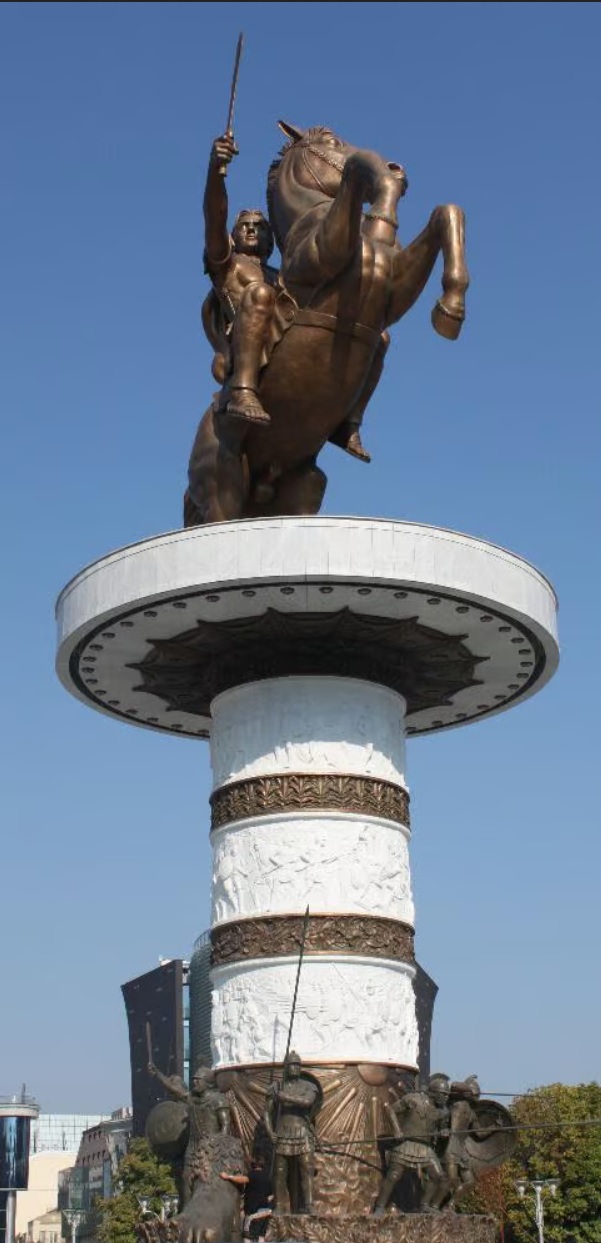
Skopje's "Warrior on a Horse" (officially unnamed) dominates Macedonia Square. The Skopje 2014 project is polarizing—but undeniably bold.
Vibe Check: What Kind of Macedonia Are You Here For?
The Lake Life Macedonia (Ohrid, Sveti Naum, Swimming & Sunsets)
You're here to float in ancient waters, eat fish with a lake view, and understand why UNESCO protects this place.
You want monasteries with peacocks and cliffside churches.
Plan like: 5 days in Ohrid + day trips to Sveti Naum and Bay of Bones.
The Urban Energy Macedonia (Skopje, Old Bazaar, Matka Canyon)
You're here for the capital's wild statue experiment, Ottoman markets, brutalist architecture, and the
turquoise canyon just outside the city. You want quirky, not cookie-cutter.
Plan like: 3 days in Skopje + Matka Canyon kayaking day trip.
The Mountain & Monastery Macedonia (Mavrovo, Bitola, Pelister)
You want hiking trails, mountain villages, half-submerged churches, and the lesser-known side of the country.
You're fine with slower transport and fewer tourists.
Plan like: Rent a car + loop through Mavrovo, Bitola, and Pelister National Park.
North Macedonia in Four Seasons
🌸 Spring (April–June): Green Hills & Warm Water
Weather: Mild and blooming. Lake Ohrid warms to swimmable by late May.
Why it's great: Fewer tourists, wildflowers in the mountains, and perfect hiking weather.
☀️ Summer (July–August): Peak Lake Season
Weather: Hot (30–35°C). Ohrid gets busy with Balkan tourists, but it's still manageable.
Why it's great: Lake swimming is at its best. Evening promenades along Ohrid's waterfront are magical.
🍂 Autumn (September–October): Rob's Favorite
Weather: Crisp mornings, warm afternoons. The vineyards around Tikveš are stunning.
Why it's great: Harvest season = wine festivals. Crowds thin out, but the lake is still warm enough to swim.
❄️ Winter (December–March): Ski Season & City Life
Weather: Cold and snowy in the mountains. Skopje can be gray and chilly.
Why it's great: Cheap skiing at Mavrovo or Popova Šapka. Ohrid is peaceful and almost tourist-free.
Street Smarts: Small North Macedonia Rules
It's "North" Macedonia now. The country officially changed its name in 2019. Locals don't always use "North," but internationally it matters (especially with Greeks).
Currency quirk: The denar (MKD) is pegged to the Euro. Many places list prices in Euros, but you pay in denars. ATMs are everywhere.
Lake Ohrid isn't heated. It's mountain-fed and stays cool even in summer (18–22°C). Refreshing, not tropical.
Cyrillic signs: You'll see Cyrillic script everywhere, but younger people speak English and most tourist signs are bilingual.
Café culture is real. Macedonians spend hours at cafés. Don't feel rushed. Order a coffee or rakija and settle in.
Reality Check
Public transport between cities is fine (buses run frequently), but within rural areas it's spotty.
Rent a car if you want to explore mountain villages or national parks without stress.
Matka Canyon is 20 minutes from Skopje. Rent a kayak and paddle to hidden caves and monasteries. The water color is unreal.
Rob's Recommendations: The Macedonian Food You Can't Skip
Macedonian food is hearty, flavorful, and criminally underrated. It's Ottoman-influenced with Balkan soul,
and you'll leave wondering why nobody talks about it.
1. Tavče Gravče (The National Dish)
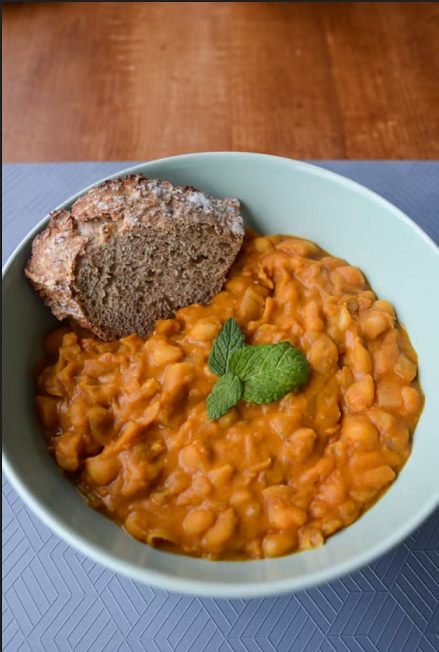
Baked beans in a clay pot with peppers, onions, and spices. Sounds simple—tastes like heaven.
It's Macedonia's comfort food. Order it with fresh bread and a side of ajvar (roasted red pepper spread).
My Tip: Every grandmother makes it differently. Try it at a traditional kafana (tavern), not a tourist restaurant.
2. Pastrmka (Ohrid Trout)
Lake Ohrid's endemic trout, grilled to perfection with garlic, lemon, and olive oil. Eat it lakeside while watching the sunset.
You'll understand why locals call Ohrid "the pearl of the Balkans."
3. Ajvar (Red Pepper Spread)
Macedonia's version of "ketchup"—but better. Roasted red peppers, eggplant, garlic, and oil. Spread it on bread, use it as a dip,
or eat it straight from the jar (we won't judge). Buy a jar to take home from the Old Bazaar.
4. Burek (Flaky Pastry Perfection)
Layers of phyllo dough filled with cheese (sirenje), meat, or spinach. Macedonians eat it for breakfast with yogurt.
You'll find it at every pekara (bakery). Pro move: Order it fresh in the morning when it's still warm.
5. Rakija (Balkan Firewater)
Fruit brandy that's everywhere. Grape rakija is most common, but try šljivovica (plum) or kajsija (apricot).
Locals drink it before meals as an aperitif. Sip slowly—it's stronger than you think.
The Golden Rule
Don't leave Macedonia without trying shopska salad (tomatoes, cucumbers, onions, and grated white cheese).
It's the perfect palate cleanser and comes with every meal.
Tavče Gravče served in the traditional earthenware pot. Simple, rustic, and absolutely delicious.
Logistics Lite
Entry & Money
EU, US, UK, Canadian, and Australian passports get 90 days visa-free. The currency is the
Macedonian Denar (MKD), roughly 61 MKD = 1 EUR. ATMs are everywhere.
Credit cards work in cities, but carry cash for rural areas.
Getting Around
Buses connect all major cities (Skopje ↔ Ohrid takes 3 hours, €10–12).
Trains are slower and less reliable. Renting a car is cheap (€20–30/day) and
gives you freedom for mountain villages and national parks.
Costs & Pace
North Macedonia is one of the best-value destinations in Europe. Your daily budget stretches 2–3x further than Western Europe.
🇲🇰 North Macedonia Daily Rhythm Comparison
Relaxed
2–3 stops
9:00 AM
☕ Lakeside coffee + burek breakfast
11:00 AM
🏊 Swim in Lake Ohrid from the rocks
7:00 PM
🐟 Grilled trout dinner with lake views
Example: €25–40/day
Moderate
4–5 stops
8:30 AM
⛪ St. John at Kaneo + old town walk
2:00 PM
🚣 Kayak through Matka Canyon
Example: €50–70/day
Intensive
6+ stops
7:00 AM
🚗 Day trip to Sveti Naum + Bitola
Example: €80–100/day
Un-Googleable Macedonia: Things You Only Learn by Going
The Peacocks at Sveti Naum
Everyone goes to Sveti Naum Monastery for the architecture. But the real magic is the free-roaming peacocks
and the crystal-clear springs that feed into Lake Ohrid. Rent a paddleboat and explore the canals—it's surreal.
The Submerged Church at Mavrovo
When Mavrovo Lake was created in the 1950s, a church was partially submerged. When water levels drop (usually late summer/autumn),
the church emerges like a ghost. It's hauntingly beautiful and barely on tourist radars.
The Wine Region Nobody Talks About
Tikveš is Macedonia's wine region, producing some of the best red wines in the Balkans (especially Vranec grape).
Visit in September for harvest season, or stop at a winery near Kavadarci for tastings at €5 per person.
The Old Bazaar's Secret Courtyards
Skopje's Old Bazaar is famous, but most tourists miss the hidden courtyards behind the main streets.
Duck through archways to find artisan workshops, tea houses, and caravanserais that feel frozen in time.
North Macedonia FAQs
Is North Macedonia safe?+
Very safe. Crime rates are low, and locals are friendly. Solo travelers (including women) report feeling comfortable. Standard travel precautions apply.
How many days do I need?+
At least 6–8 days. Ohrid deserves 3–4 days, Skopje 2 days, and leave time for Matka Canyon or a mountain detour to Mavrovo or Bitola.
Do people speak English?+
Yes, especially in Skopje and Ohrid. Younger people speak English well. Older generations may speak some German or Serbian.
Tourist areas are very English-friendly. The Cyrillic alphabet can be confusing, but most signs are bilingual.
Can I swim in Lake Ohrid?+
Absolutely. The lake is incredibly clean and clear. It's mountain-fed so it stays cool (18–22°C even in summer), but it's refreshing
and swimmable from late May to September. Locals swim from the rocks, and there are designated beach areas too.
What's the deal with the Skopje statues?+
In 2014, the government launched a controversial urban redesign called "Skopje 2014," erecting dozens of neoclassical buildings and statues
(including the massive "Warrior on a Horse" in Macedonia Square, widely understood to represent Alexander the Great but never officially named
due to Greek sensitivities). Locals are divided—some love the ambition, others think it's kitsch. Either way, it's unforgettable.
Should I rent a car?+
For Skopje and Ohrid, no—buses are frequent and cheap. But if you want to explore Mavrovo, Pelister, or mountain villages,
renting a car gives you freedom. Roads are generally good, and rental prices are low (€20–30/day). Drive on the right, and watch for livestock
in rural areas.
Is it "Macedonia" or "North Macedonia"?+
Officially, it's "North Macedonia" since 2019 (following a naming dispute with Greece). Locals often still say "Macedonia"
casually, but internationally and on maps, it's "North Macedonia." Just be respectful if the topic comes up—it's a sensitive subject for some.
Join the conversation
Are you heading to Macedonia for the lake life or the mountain monasteries? Drop your route below!
Join the conversation
Are you heading to Macedonia for the lake life or the mountain monasteries? Drop your route below!