WALES, WHEN YOU LET THE WEATHER HAVE ITS OPINION (AND YOU STILL HAVE A GREAT DAY)
Wales Travel Guide: Castles, Coast, and Mountain Days
Without Chasing the Forecast
This Wales travel guide helps you choose between castles, coastal stays and countryside journeys. First decide which experiences matter most, then build a route with time to enjoy them. Compare bases, seasons and transport before booking, and leave room for a slower day rather than filling every gap with another transfer.
Wales is the kind of place where a short drive can take you from a medieval castle to a wild beach to a mountain pass — and then the clouds roll in like they’re on payroll. Perfect conditions are not the goal. Instead, build a trip that works anyway.
My Wales rule is simple: pick a base and get good at it. If you try to “road-trip the whole country” in a week, you’ll spend the best hours of the day wrestling narrow lanes and parking signs. Choose one region instead, and keep your days loop-shaped. Then Wales opens up: coastal walks, warm pubs, tiny towns, and those big-sky moments that feel oddly personal.
Along the way, you’ll see signs in English and Welsh, you’ll eat very well if you lean into local bakeries and seafood, and you’ll quickly learn that distance is not the same as time on Welsh roads. Do fewer moves. Bring layers. And treat the “in-between” moments as part of the trip — because that’s where Wales quietly shines.
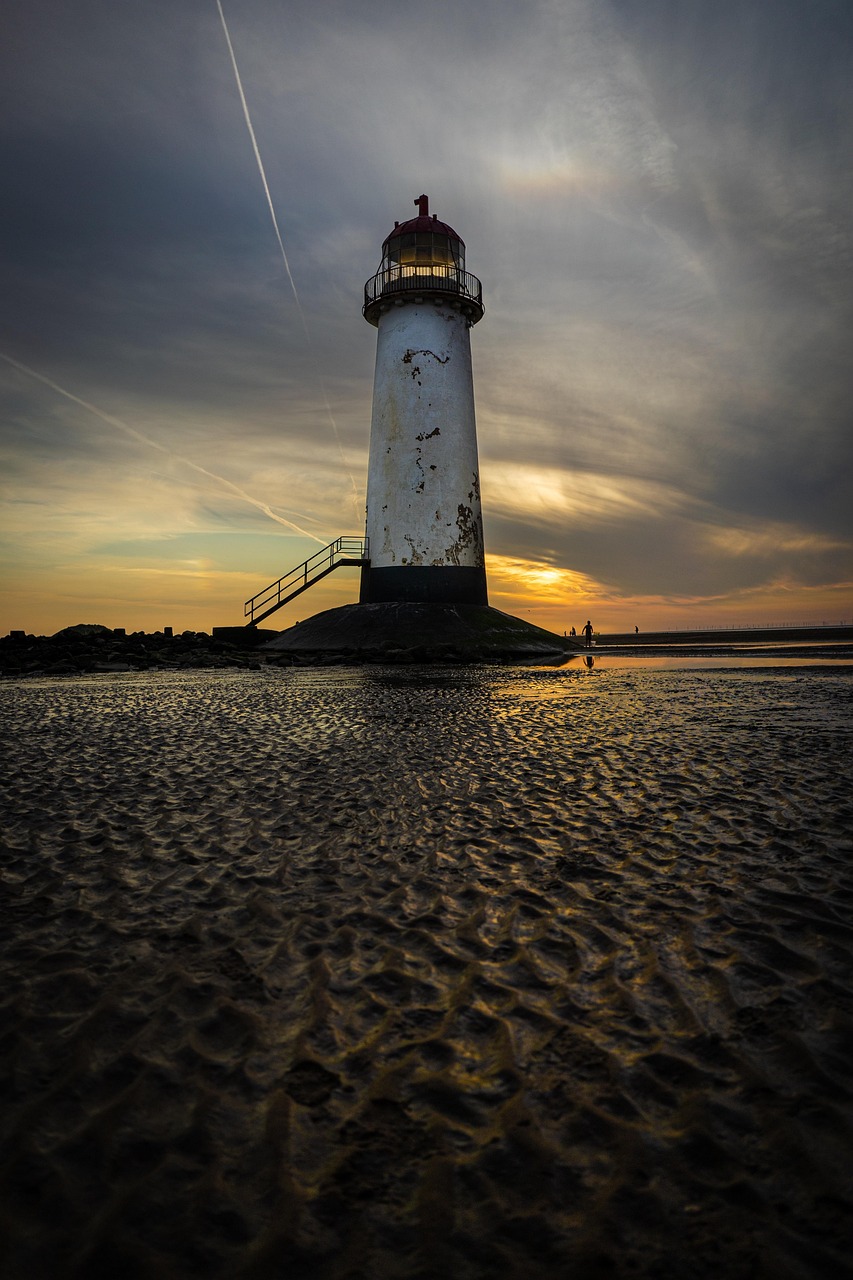
In a Nutshell (60-Second Scan)
If you only read one part, read this. Wales is incredible — as long as you don’t turn it into a daily relocation exercise.
- Best first move: Choose one region (North / South / West) and keep your days loop-shaped.
- When it “clicks”: The day you stop checking the sky every 4 minutes and just do the walk anyway.
- Biggest trip-saver: Base planning. Wales is small on a map and slow in real life (narrow roads, parking, sheep).
- Money truth: Wales uses GBP (£). Cards/contactless are common, but keep a little cash for honesty boxes and tiny cafés.
- Quiet win: Bilingual signs (Welsh + English). Follow the icons and you’ll be fine — it becomes part of the charm.
- Classic mistake: Underestimating drive times and overpacking the day. Distance ≠ time here.
Wales rewards a simple formula: one anchor (castle / coastal walk / mountain view), then ordinary joy (tea + cake, a warm pub, a harbor bench, a slow town loop).
60-Second Fit Check
- Ideal trip length: 5–7 days (one region done properly), 10–14 if you want north + west or south + west.
- Best energy level: Medium — Wales shines when you mix “do” days with “breathe” days.
- First-timer friendly: Yes — especially if you base well and don’t try to “collect” the whole map.
- Budget vibe: Mid, with treat-yourself spikes in peak summer, school holidays, and popular coastal towns.
- My simple rule: If your plan needs perfect weather to work, it’s not a Wales plan yet.
Wales is dramatic in all sorts of weather. However, keep an eye on the forecast and adjust outdoor plans when conditions call for it.
The Wales That Clicks: St Davids + Solva + the Pembrokeshire Coast (Small Places, Huge Sea Energy)
If you want Wales to feel alive (not just “checked off”), I love sending people to west Wales — specifically the St Davids / Solva pocket on the Pembrokeshire Coast. It’s all the stuff people say they want: cliffs, little harbors, fresh air, good food — without needing a packed itinerary to feel like you “did” the trip.
St Davids is famously tiny, which is exactly why it works: your days start soft. You can do a coastal walk in the morning, eat something great, and still have enough energy to sit in a pub and feel human again. Solva gives you harbor calm, and the coast path nearby delivers those “I can’t believe this is real” cliff views.
The trick here is pacing. Pick one headline walk or sight per day, then let the rest breathe. Also: tides matter. Some beaches and coves change dramatically with the tide. Therefore, check tide times and choose suitable footwear before you go.
If you want an easy “wow day,” a boat trip to wildlife islands (season-dependent) can be a highlight. But you don’t need constant excitement. Out here, the scenery does the heavy lifting — you just need to stay long enough to feel it.
Base near St Davids for 3–5 nights. Then enjoy a coastal walk, a castle or cathedral, and a harbor-and-bakery day, and keep a weather-flex option (museum, café crawl, short viewpoint loop).
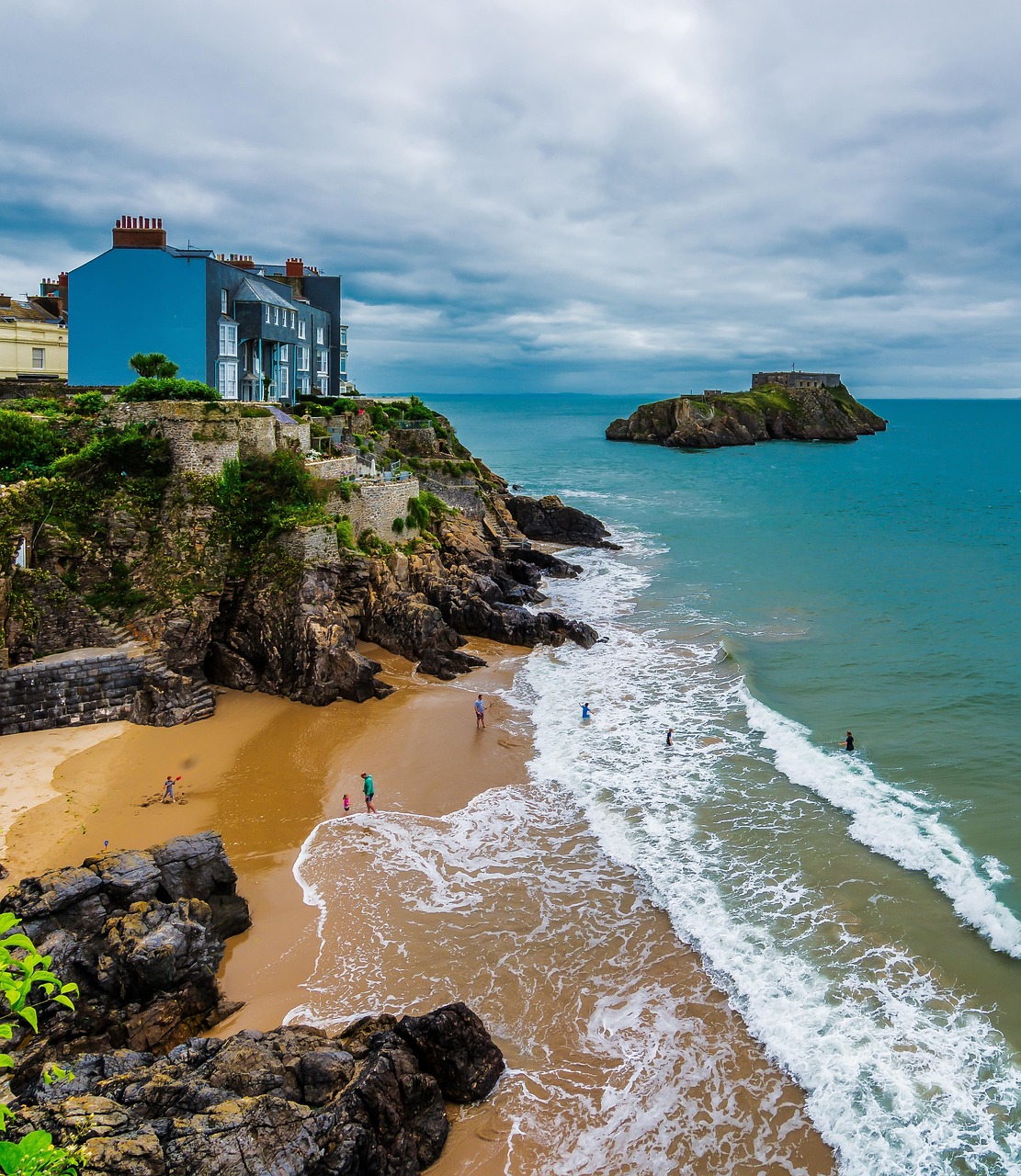
Vibe Check: What Kind of Wales Are You Actually Here For?
Decide how you want your days to feel first. Wales can do a lot — but it’s best when you stop trying to do every version of it.
City + culture (with easy escapes)
For museums, food and markets, choose a city base with castles and coast within reach. Cardiff works well for this. However, keep your day trips selective.
City plan: Start with one base, then choose a half-day escape.
Coast + walking (sea air therapy)
Cliff paths, coves and harbors make room for that “my brain finally shut up” feeling. West Wales and the south coast deliver. Before setting out, check the tides and weather.
Coast plan: Stay put, walk a loop and keep a café day in reserve.
Mountains + old stone (big views, big moods)
For high ground, slate towns and dramatic landscapes, look north. Eryri (Snowdonia) is a headline act. However, mountain days need a weather backup and a realistic pace.
Mountain plan: Choose one or two bases, then allow for changing conditions.
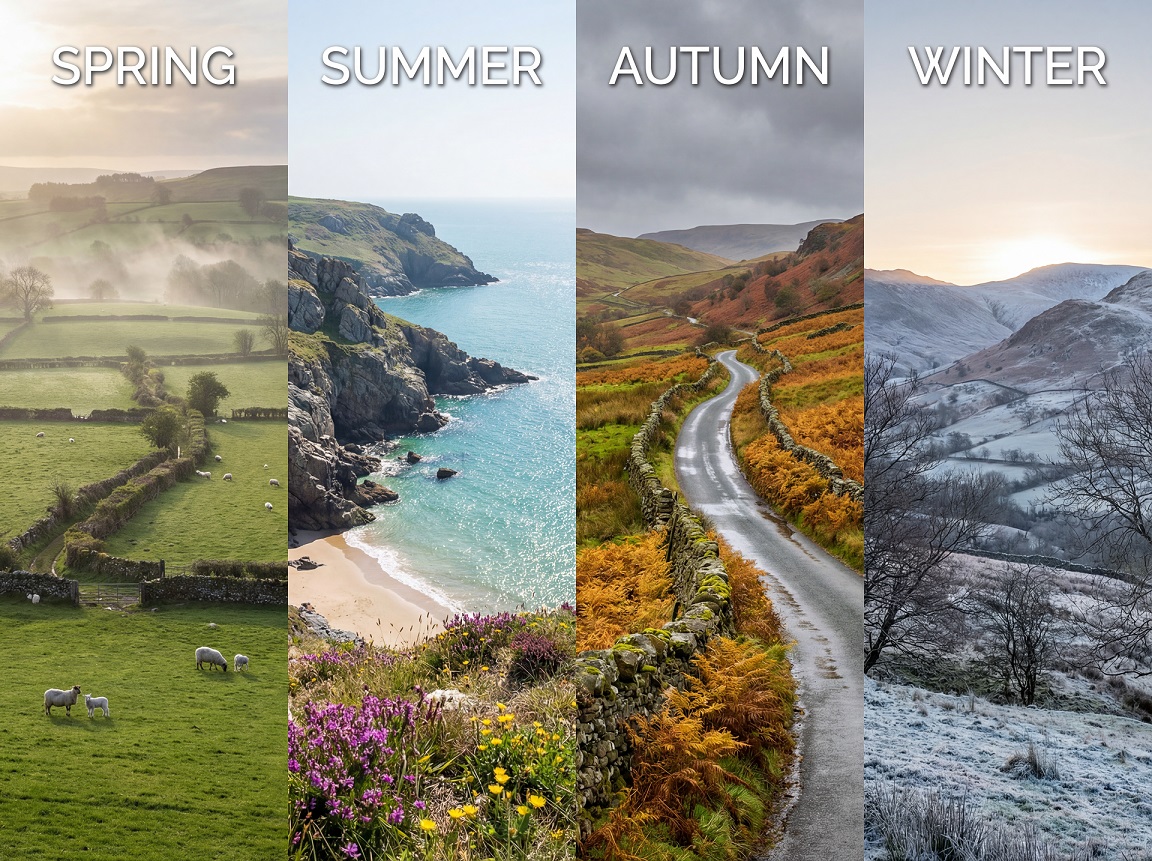
Wales in Four Seasons: The Same Place, Completely Different Trips
- Spring: Fresh green hills, lambs in fields, daffodils everywhere, and calmer prices than peak summer.
- Summer: Best odds for longer, drier days — but also the busiest beaches, priciest stays, and more traffic.
- Autumn: The sweet spot for walkers: softer light, fewer crowds, and cozy towns after a windy coast day.
- Winter: Short daylight and wild weather — but dramatic coast scenes, quiet castles, and unbeatable “warm pub” energy.
Wales is a layers country. Pack like you’re dressing for four moods in one day: windproof outer, warm mid-layer, good shoes, and a backup plan that still feels like a win.
Street Smarts: Small Rules That Save Big Stress
- Wales drives in mph (and on the left). Roundabouts are common, so take your time while you adjust.
- Watch the 20mph reality. Many built-up roads in Wales default to 20mph — signs matter, and enforcement is real.
- Narrow lanes are normal. Passing places, stone walls, and surprise tractors — drive like you’re borrowing someone’s driveway.
- Tides change everything. Certain beaches and coves can shrink fast. Check tide times before committing to a “walk around the headland” plan.
- Parking is a sport. In popular coastal towns, arrive earlier than you think or accept a longer walk.
- Bilingual signage: Welsh place names may look unfamiliar, but icons are consistent — and you’ll get the hang of it quickly.
I’d start earlier than I want to (especially on coast days), do my “serious” walk or sight first, then keep the afternoon flexible. Wales is better when you still have energy after lunch.
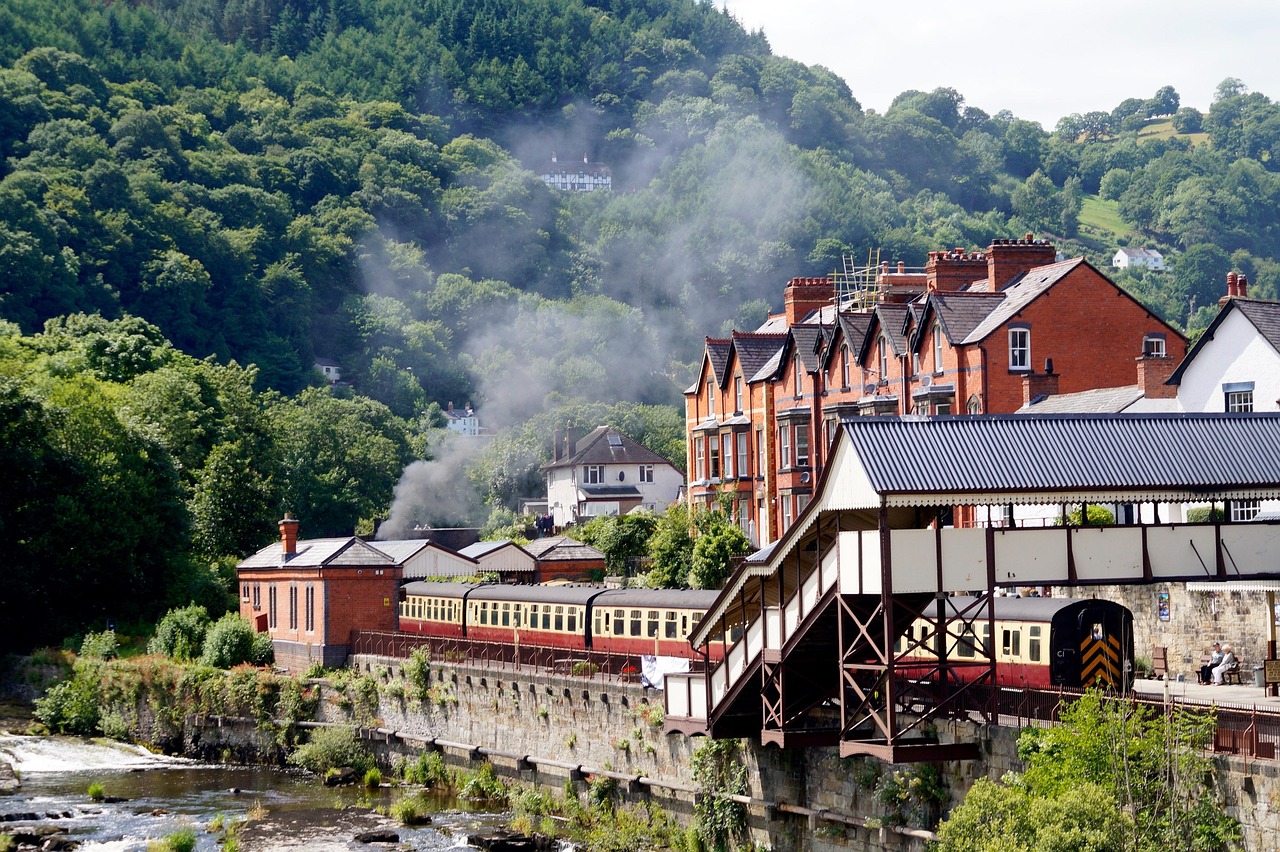
Logistics Lite
Wales is easy once you handle the modern basics up front: entry rules, money, power, “how to move,” and the driving fine print.
Entry rules (UK) & the ETA era
Wales is part of the United Kingdom, so UK entry rules apply. Depending on your passport, you may need a visa, and some visa-free visitors may need an Electronic Travel Authorisation (ETA). Always confirm your requirements close to departure.
Visas and travel documentsMoney (GBP) & everyday pricing
Wales uses British pounds (GBP £). Contactless is widely accepted, and mobile pay is common. Your best lever is still the same: when + where + how often you move.
Power + emergencies + the “save this now” list
The UK uses Type G plugs and standard European-style voltage (230V / 50Hz). Save the key numbers now so you’re not googling in a panic.
- Emergency (UK): 999 or 112
- Non-emergency medical (NHS): 111
- Police (non-emergency): 101
Getting around: rail works, but a car unlocks the good stuff
Wales has useful rail corridors (especially South Wales and the North Wales coast), but rural beaches, valleys, and tiny villages often work best with a car. If you’re car-free, choose bases with reliable rail links and keep day trips realistic.
Driving: narrow roads + speed shifts + parking reality
Driving is often the best way to see Wales — but it comes with specifics: narrow lanes, limited coastal parking, and speed limits that can change quickly between villages and open road. Build time buffers and don’t treat your route like a stopwatch challenge.
If you’re driving on a tight schedule, your trip will feel smaller than it is. Wales rewards “one great loop” more than “five rushed stops.”
Base Plans: 3 Simple Ways To Build A Wales Trip That Still Feels Good at 3pm
Pick one. You can sprinkle day trips later — the goal is a trip where you’re not constantly packing, paying, and recovering.
Plan A: Cardiff + a nature leg (7–10 days)
- Base 1: Cardiff (3–5 nights) for culture, food, and easy day escapes.
- Base 2: Brecon Beacons / Bannau Brycheiniog area (3–5 nights) for hikes, waterfalls, and slower days.
- Rule: Every “big day” gets a “soft day” after it.
The two bases offer contrast, while keeping the route manageable.
Plan B: North Wales base (6–9 days)
- Base 1: Conwy / Llandudno (or nearby) (3–5 nights) for castles + coastal ease.
- Base 2: Eryri/Snowdonia gateway (2–4 nights) for mountain days and slate-town energy.
- Rule: Build a weather backup day (museum/castle/rail ride/food loop).
If you want castles and mountains without doing daily hotel check-ins.
Plan C: West Wales coast reset (5–8 days)
- Base 1: Pembrokeshire pocket (3–6 nights) for coastal path loops + harbor towns.
- Optional add: One inland day (castle / market town / waterfall loop) to change the texture.
- Rule: One anchor per day, then tea + slow evening.
A slower coastal stay leaves room for stories as well as rest.

Costs & Pace: What Actually Moves The Needle in Wales
Wales can feel “pricey” when your plan forces convenience: last-minute stays in peak coastal towns, parking stress that pushes you into paid lots, and rushed meals because you overbooked your day. The good news is: your plan can fix most of that.
- Season: Summer and school holidays can raise accommodation prices. For quieter dates, compare stays outside peak periods.
- Base count: Fewer bases = fewer transfers = fewer “oops” costs (and less lost time).
- Car strategy: A car can help, but daily driving adds fuel costs, parking fees and fatigue.
- Food strategy: Try one proper meal and a bakery or market lunch. That way, you can enjoy local food while keeping an eye on costs.
- Weather flexibility: A good indoor fallback day (castle, museum, café crawl) prevents “we wasted a day” spending spirals.
Wales doesn’t get expensive because it’s Wales. It gets expensive when your schedule forces you to buy speed, peak timing, and last-minute decisions.
🏴 Wales Daily Rhythm Comparison
How your pace shapes your day (and your spend)
Prices are illustrative (GBP) to show the relationship between pace and spend — not a quote.
Un-Googleable Wales: Tiny Choices That Change The Whole Trip
These aren’t “hidden gems.” They’re the small behaviors that make Wales feel like a place you’re in — not just passing through.
Do one harbor-town loop at dusk
Not the midday rush. Dusk. When the day-trippers fade, the light softens, and you finally hear the place. Wales is very good at this.
Pick one Welsh word and use it daily
Even just “diolch” (thanks). It changes your interactions in a tiny, human way — and it makes the trip feel less like a drive-by.
Build a weather-flex day on purpose
Castle + café + market town. If the wind goes sideways, you still win — and you don’t waste money chasing a plan that won’t cooperate.
Commit to “one base, many loops”
Find your bakery, choose an evening walk and sort out your parking plan. Wales feels bigger when you stop resetting your life every morning.
Gap Analysis: Is Wales Right For Your Kind Of Trip?
Wales is brilliant — and it’s not one-size-fits-all. Here’s the honest part (with fixes, not judgement).
You’ll love it if…
- Coastal walks, old stone and dramatic landscapes appeal to you.
- A little less each day leaves more time to enjoy it.
- Road-trip freedom sounds good, especially with room for detours.
- Changeable weather will not spoil your trip.
- You enjoy places with a strong local identity and a warm welcome.
Plan around it if…
- If guaranteed heat is essential, remember that Welsh weather can be changeable even in summer.
- For less driving, choose a rail-friendly base and check local connections.
- With a week, consider one region rather than trying to cover the whole country.
The best Wales trips leave room to notice things. So give yourself time to stop, look and enjoy the day.
Wales FAQs
Quick answers to the stuff people actually worry about.
Do I need a car in Wales?
It depends on your plan. Cities and some corridors work with rail, but rural beaches, valleys, and small villages are much easier by car. If you stay car-free, choose a base with good rail links and keep day trips realistic.
What’s the best time to visit Wales?
Late spring through early autumn is the easiest for longer days and more stable weather. Shoulder seasons (spring/autumn) are often calmer for walkers, with fewer crowds and better value.
Is Welsh language signage hard to navigate?
Not really. Most signs are bilingual, and icons are consistent. You’ll get used to place names quickly — and it becomes part of what makes Wales feel distinct.
What plug adapter do I need in Wales?
The UK uses Type G plugs and 230V/50Hz electricity. A UK Type G adapter keeps you sorted.
What emergency numbers should I save?
Save 999 or 112 for emergencies. For non-emergency medical help, use NHS 111.
What’s the deal with the 20mph speed limit in Wales?
Many built-up roads in Wales default to 20mph. Always follow posted signs, and build extra time into drives — it keeps your day calm.
Plan your next step
Compare the Europe travel hub and the Britain and Ireland guides, then use the trip-planning guide to work through dates, connections and budget.
Join the conversation
Are you planning Wales for coast walks, castles, mountain days — or a bit of everything? Share your draft route and what you’re unsure about — and if you’ve got practical, real-world tips, help the next traveler build a smarter (and calmer) Wales trip.