Home › Destinations › South America › Northern South America › Suriname
COUNTRY GUIDE · NORTHERN SOUTH AMERICA
Suriname Travel Guide: Paramaribo, Food & Rainforest
Suriname makes a good case for arriving curious rather than arriving with assumptions. Dutch is the official language, Paramaribo brings several cultural histories together, and the interior asks you to slow down. This Suriname travel guide helps you connect the capital, food and a realistic rainforest stay.
My starting rule: give Paramaribo time, then choose one interior experience you actually want.
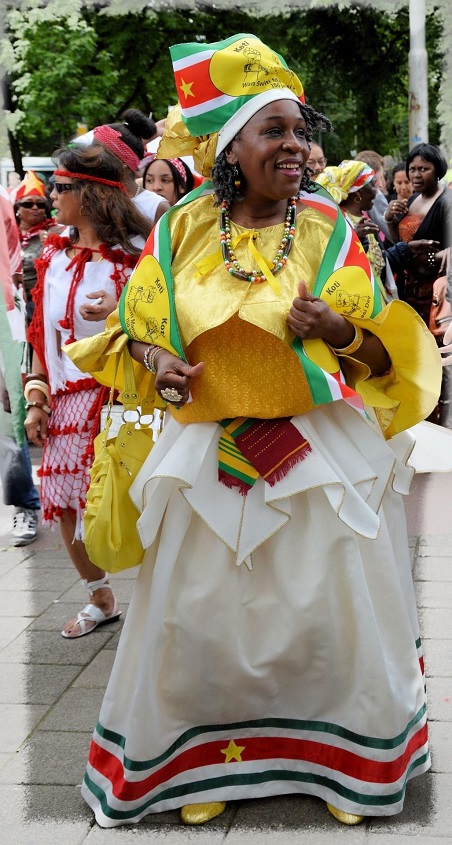
Traditional dress in Suriname’s national colours.
By Rob Wheatley · Dutch · Surinamese dollar (SRD)
Need the Gist? A 60-Second Scan
The basics
Suriname is an independent country on South America’s Atlantic coast. Dutch is its official language, and the currency is the Surinamese dollar. However, the most useful planning distinction is between an accessible city stay and a more demanding journey into the interior.
The quick decision
First, choose culture and food, a forest stay or a combination of the two. Then check the entry process for your passport. The current U.S. advisory is Level 1: Exercise normal precautions, although remote journeys still need careful preparation.
The Suriname That Flows: Capital Plus One Contrast
Build from Paramaribo
I would begin with Paramaribo, then add either a nearer excursion or one interior stay. That gives the journey a clear shape. In addition, it makes it easier to compare the total transfer cost before booking flights.
Keep the final night simple
Return to your departure base with room for delays. Then use the last day for a relaxed meal or a missed city stop. I prefer that to making a long boat transfer the first link in an international departure day.
The Major Destinations
Paramaribo
UNESCO lists Paramaribo’s historic inner city for its distinctive urban heritage. The capital also provides a useful introduction to the country’s cultural mix. Choose a guided walk that explains the buildings and the people behind them.
Commewijne
Across the wider river landscape, Commewijne offers a contrast to the capital. However, look for an excursion that addresses plantation history honestly, including slavery and colonial exploitation. A beautiful building tells only part of the story.
The interior
An Upper Suriname river stay is a different commitment from a city day trip. Therefore, compare the actual journey, accommodation and community activities. Ask permission before photographing people and follow your host’s guidance in villages.
Vibe Check: Culture at the Table
A country of overlapping histories
Suriname’s tourism authority describes Indigenous, African, Indian, Javanese, Chinese and Dutch influences among the country’s cultural strands. Consequently, avoid expecting one simple national story. A museum, meal and conversation can each add another perspective.
Who may enjoy the pace
My view is that Suriname rewards travelers who enjoy food, history and a longer stay in one place. If you need a sequence of famous landmarks, first consider whether the everyday discoveries appeal to you enough.
Seasons: Four Broad Weather Windows
The drier periods
Suriname’s tourism authority describes a shorter dry period from early February to late April and a longer one from mid-August to early December. These are broad patterns, however, so check the intended area and activity.
Rain and route choices
The wetter periods broadly fall between those windows. Consequently, ask how road and river conditions change your specific transfer. Rain does not automatically cancel a visit, but it can change what a comfortable day looks like.
Daily Rhythm: Three Ways to Spend the Day
Paramaribo day
I would begin with a guided walk, pause for lunch and leave time for a museum or food experience. Then I would arrange the evening journey back to the hotel in advance.
River excursion
Let the operator explain the day’s boat movements and land visits before departure. Also, ask about shade, toilets and boarding arrangements. Comfort is easier to assess with those details than with a generic adventure label.
Interior stay
Allow the host to shape activities around conditions and community schedules. Meanwhile, keep time for rest and conversation. A village is someone’s home, so the visitor timetable should not take priority over local life.
Rob’s Tips: Follow the Food, Ask About the Story
A useful food starting point
Suriname Travel highlights roti, Javanese noodles and Creole pom among the country’s dishes. I would try them across different meals rather than attempt a culinary checklist in one sitting. Then ask about ingredients and dietary needs.
Javanese noodles: my kind of lunch stop. This bowl brings noodles, vegetables, chicken and egg together, reflecting Suriname’s Javanese food traditions. I’d happily make room for that after a morning exploring. However, I’d ask for the sambal on the side—curiosity is good; setting fire to lunch is optional.
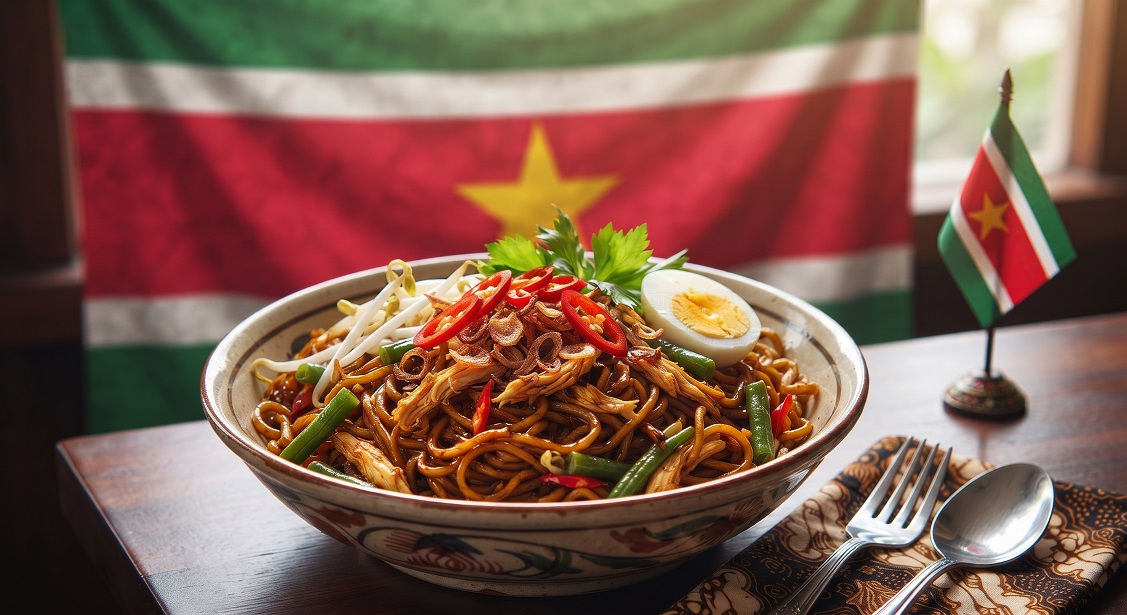
Choose explanation over speed
For a city tour, ask how the guide approaches the country’s different histories. Similarly, ask an interior operator how communities participate in the visit and benefit from it. Specific answers tell you more than a promise of authenticity.
Safety: Normal Precautions Still Need Practical Plans
In the capital
Read the U.S. Suriname advisory alongside your own government’s advice. Keep valuables discreet and arrange reliable transport after dark. Also, seek local guidance about the precise area you intend to visit.
Outside the capital
For any remote stay, ask about emergency communication and access to care. Then check relevant medical and evacuation cover with your insurer. A relatively low national warning level does not make every tour or transfer equally suitable.
Health preparation
Discuss the route with a travel-health professional before departure. In addition, check any vaccination documentation required by your arrival history. Entry requirements and personal health recommendations are separate questions.
Suriname Travel Guide: Planning Essentials
Entry paperwork
Check the current official pre-arrival process for your passport and purpose of travel. Do not assume that visa-free eligibility removes every fee or form. Also, confirm the immigration and customs requirements before entering and leaving.
Interior transport
Suriname Travel describes road-and-boat connections through Atjoni and small-aircraft access to parts of the interior. However, the right option depends on the destination. Ask the operator to itemize every transfer and explain weather alternatives.
Money and communication
Confirm whether a quote is in SRD, USD or another currency. Separately, ask about card acceptance, cash needs and signal at the accommodation. Keep documents offline and use Plan for Travel to organize the wider trip.
Base Plans: Three Sensible Structures
Capital and nearby history
Build a shorter visit around Paramaribo with one Commewijne excursion. Then leave some free time to revisit a neighborhood or museum rather than making every day a transfer.
Capital and river stay
Combine Paramaribo with one Upper Suriname experience and a return buffer. Ask how much of each transfer day remains available for activities before deciding on the number of nights.
A deeper nature focus
Choose a specialist forest trip for its guiding and habitat. However, simplify the rest of the journey around it. One thoughtful stay can offer more than several brief excursions with repeated packing.
Costs: Compare What the Package Includes
The real comparison
Meals, guiding, boats and road transfers can change the value of an interior package. Therefore, ask what is included and compare the same services. Also, clarify whether a private transfer or minimum group size affects the price.
My spending priority
I would spend on capable guiding and a well-explained journey, then reduce the number of moves. Use current itemized quotes; a single daily budget would hide the difference between city nights and a remote package.
Small Moves That Improve the Visit
Keep the questions specific
Before booking a forest stay, ask about sleeping arrangements, insect protection, bathrooms and charging. Then explain your mobility and dietary needs. A clear answer now prevents a difficult discovery after a long transfer.
Give history enough time
Leave space after a museum or guided walk to absorb what you have learned. Meanwhile, resist reducing the country to picturesque colonial streets. The people and their histories deserve equal attention.
Gap Analysis: Is Suriname Right for Your Style?
You may enjoy it if…
You like food, layered history and the idea of a city stay paired with one guided nature experience. Curiosity and a flexible pace help.
Adjust your expectations if…
You need effortless movement between numerous sights or resort-style facilities in every location. Instead, compare the actual accommodation and transfer conditions before choosing the route.
Suriname FAQs and Official Sources
Is Suriname Dutch territory?
No. Suriname is an independent country. Dutch remains the official language, but it has its own entry requirements and currency.
Can I add Guyana or French Guiana?
Potentially, but check current border formalities, authorized transport and onward connections separately. A short distance on a map does not establish a quick transfer.
Where should I verify the details?
Use Suriname Travel, its transport information, seasonal overview and UNESCO’s Paramaribo listing. Consult the CDC Suriname page for health preparation. Sources reviewed October 30, 2026.
Let’s Talk About Suriname
What would you like to understand about Suriname? Share your planning question, or pass on a useful lesson from a previous visit. Please leave out passport details and other private information.