Home › Destinations › South America › Northern South America › Venezuela
COUNTRY GUIDE · NORTHERN SOUTH AMERICA
Venezuela Travel Guide: Landscapes, Culture & Realities
Venezuela has the sort of geography that makes a travel map look greedy: Caribbean islands, Andean mountains and vast table mountains rising above the forest. This Venezuela travel guide puts those possibilities beside the harder questions about security, transport and preparation.
My blunt take: a spectacular photograph is a reason to be curious. It is never enough reason to book.
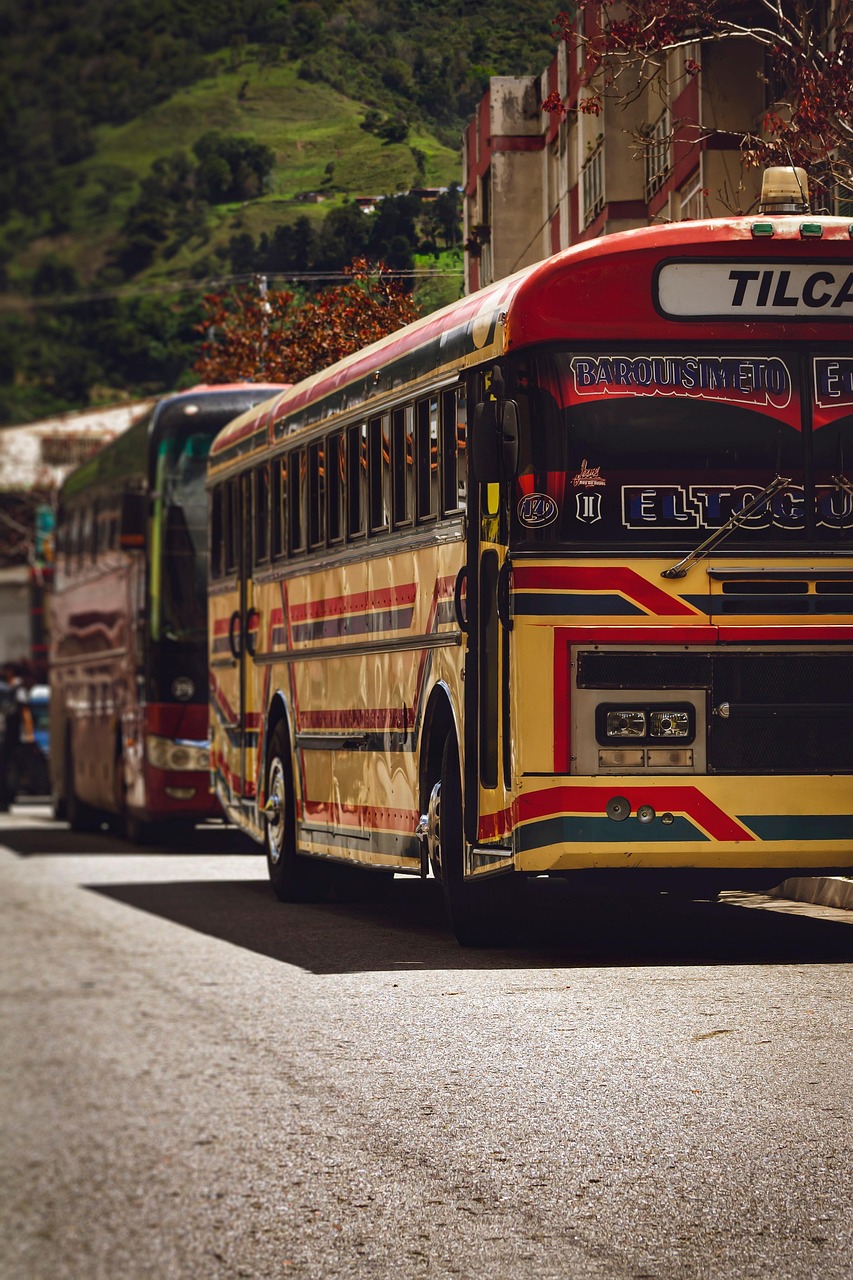
Mérida, Venezuela
By Rob Wheatley · Spanish · Venezuelan bolívar (VES)
Need the Gist? A 60-Second Scan
Start here
First, check the official advice for your nationality and every intended stop. At the time of this review, the U.S. lists Venezuela at Level 3: Reconsider travel, with several areas at Level 4: Do not travel. Therefore, this guide supports research rather than a recommendation to take a holiday now.
The practical fit
Spanish is the main language, while the local currency is the bolívar. However, neither a cheap room nor a short distance on the map tells you whether a journey is workable. Before committing, establish how you would arrive, move between places and leave if plans change.
The Venezuela That Makes Sense to Research
One reason, one region
My planning approach would begin with a single purpose: mountains, the Caribbean or the tepui landscape. Then I would check whether that exact area and its access route are appropriate. A countrywide wish list creates several separate transport and security problems.
Keep the decision reversible
For now, compare refundable arrangements and ask providers specific questions. Who actually operates the transfer? What happens if a flight changes? Also, who can help outside office hours? Written answers are more useful than cheerful assurances.
The Major Destinations
Canaima and Angel Falls
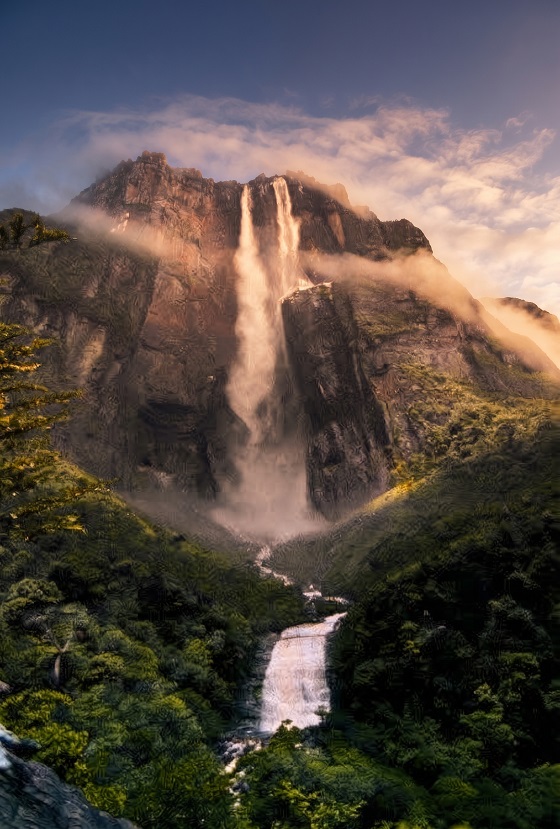
UNESCO lists Canaima National Park for its remarkable tepui formations, cliffs and waterfalls. Angel Falls is the landscape that draws many people to research Venezuela.
However, beauty does not settle the access question. Assess the current advice for Bolívar and the complete journey with a specialist before making plans.
What I would ask: How do we reach the falls, what could change the excursion, and what happens if conditions interrupt it? Get clear answers about the route, guiding and cancellation arrangements before paying.
Mérida and the Andes
Mérida is the name to explore if mountains appeal more than beach time. Nevertheless, treat highland excursions, altitude and road access as separate planning questions. Ask about the actual walking conditions and support available before choosing an activity.
Caracas and the Caribbean
Caracas, Los Roques and the wider Caribbean coast represent very different trips. Consequently, do not assume that an arrival in the capital makes an island stay straightforward. Confirm each connection and the consequences of a missed onward departure.
Vibe Check: What Draws You Here?
Landscape or everyday culture?
If the landscape is your main interest, allow research time for the access arrangements. Alternatively, food, music and urban life call for a different base and pace. Choose the experience first; then test the practical requirements rather than combining everything.
A realistic match
My view is that Venezuela currently demands more preparation and tolerance for disruption than a casual first trip abroad. If you need predictable transport, easy independent movement or close access to care, factor those needs into the decision from the start.
Best Time to Visit Venezuela
Venezuela’s travel seasons are mainly about rainfall. Broadly, the drier months run from December to April, while the wetter period usually runs from May to November and can extend into December in Canaima. However, your route matters more than one countrywide “best month.”
☀️
Broadly December–April
Dry season
Best for: researching a drier-weather coastal trip or a mountain-focused route.
The trade-off: Angel Falls may carry much less water as the dry spell progresses. Low river levels can also limit boat access, so ask about actual conditions before choosing an excursion.
🌧️
Broadly May–November · sometimes later locally
Wet season
Best for: fuller waterfalls and greener landscapes, particularly around Canaima.
The trade-off: rain, cloud and changing river conditions can affect views and excursions. Therefore, leave room for altered plans rather than putting your only waterfall outing immediately before departure.
💦
Angel Falls comes first?
Local operator guidance favours roughly June–November for stronger flow and river excursions. However, a month on the calendar never guarantees access. Confirm water levels, the planned route and cancellation terms close to the trip.
🏔️
Heading into the Andes?
Altitude changes the feel of the day: Mérida’s highlands can be much cooler than the coastal lowlands. Consequently, pack layers and check conditions for the exact excursion. A coastal forecast will not tell you what to wear on a mountain outing.
Keep in mind: weather suitability does not override the current regional travel advice. Choose the experience first, then check security, access and transport before booking.
Seasonal background: Embassy of India in Caracas. Local river and waterfall guidance: megaVENEZUELA’s Canaima weather notes. Month ranges are approximate.
Daily Rhythm: Three Very Different Days
Mountain day
For a future highland trip, I would put the main activity early, leave time to recover and keep the evening simple. However, the guide should set the pace around altitude, weather and the group’s abilities.
Island day
For an island stay, I would protect the arrival and departure days. Then I would ask how boat outings respond to sea conditions. A relaxed-looking destination can still require careful transfers.
City day
For a city visit, I would arrange transport and local guidance before choosing sights. In addition, I would keep the schedule short enough to change without losing a string of reservations.
Rob’s Tips: Food and a Better Question
Food worth learning about
Arepas are a useful place to begin exploring Venezuelan food: corn-based rounds with a range of fillings. However, I would ask a local cook what they enjoy rather than arrive with a rigid list. Food is a conversation, not an exam.
Ask about the ordinary day
Instead of asking only for the best attraction, ask what a normal day would involve at your chosen base. How do guests eat, travel and communicate? Often, those answers reveal more about comfort than a polished itinerary does.
Safety: Read the Exact Regional Advice
The warning comes first
The U.S. advisory identifies crime, kidnapping, terrorism, weak health infrastructure and natural-disaster risks. It also applies stronger warnings to several regions. Read the full advisory and its map; do not interpret a national level as uniform across the country.
Build a support plan
Before any necessary journey, establish trusted transfers, emergency contacts and what your insurer will cover in the intended areas. In addition, make a realistic exit plan. A local booking agent and a government consular service have different roles and different limits.
Health preparation
Review the CDC destination page with a qualified travel-health professional. Your route, medical history and previous travel affect the advice. Also, confirm access to essential medication and care before deciding that a remote excursion is suitable.
Venezuela Travel Guide: Planning Essentials
Entry and documents
U.S. travelers need a visa in advance according to current State Department guidance. Other passport holders should use the relevant Venezuelan consular information. Because requirements can change, confirm the exact process before paying for travel.
Transport and money
Check current flight operations directly with the carrier. Separately, ask your accommodation how payments work and what backup methods are practical. Avoid building a budget around an exchange rate or card arrangement that you have not verified.
Communication
Save contacts and essential documents offline. Then agree how a trusted person will hear from you if a connection fails. For wider preparation, use Plan for Travel and the Transit & Comfort guide.
Base Plans: Research Options, Not Booking Advice
Mountain focus
Research Mérida as a single regional stay. First, test safe access and current conditions; then ask which activities fit your abilities. Add nothing else until the basic journey is credible.
Caribbean focus
Research one island or coastal base with its actual air and ground connections. However, keep a mainland connection separate from any promise of seamless access.
Landscape focus
Research Canaima with a specialist who can explain the exact route, local arrangements and current restrictions. If those questions remain unanswered, postpone the booking rather than fill the gaps with optimism.
Costs: Price the Complete Journey
The missing expenses
A room price leaves out transfers, specialist guiding, changed flights and additional nights. Therefore, request an itemized quote in a clearly stated currency. Ask which services are refundable and who pays when a connection fails.
My budget rule
I would compare the complete, supported journey before looking for savings. I am not quoting a daily budget here because verified current costs for a workable route matter more than an attractive national average.
Small Moves That Improve the Planning
Keep one written plan
Put supplier contacts, transfer details and cancellation terms in one document. Then ask someone independent to look for the gaps. A missing night or unconfirmed transfer is easier to spot before money changes hands.
Separate curiosity from commitment
You can learn about a place without deciding to go immediately. Meanwhile, keep a shortlist of alternatives that meet the same interest. That protects the travel experience you want without forcing one destination to fit.
Gap Analysis: Is Venezuela Right for This Trip?
It may fit future research if…
You have a specific interest, time for detailed preparation and flexibility about when to go. Even then, the current regional advice must guide the decision.
Reconsider the match if…
You need a simple first holiday, a tightly fixed schedule or dependable nearby medical support. Instead, compare the wider Northern South America guide before choosing a destination.
Venezuela FAQs and Official Sources
Is Venezuela currently a straightforward holiday choice?
No. Current official warnings and practical limitations deserve close attention. Use the U.S. Venezuela advisory and your own government’s advice before making commitments.
Can I combine it with neighboring countries?
Geographic neighbors do not guarantee usable visitor routes. Check each border and connection independently; do not assume an overland crossing is appropriate.
Where can I check the underlying information?
Use UNESCO’s Canaima listing, the CDC Venezuela page and current official entry guidance. Sources reviewed October 30, 2026; recheck before travel.
Let’s Talk About Venezuela
What would you like to understand about Venezuela? Share your planning question, or pass on a useful lesson from a previous visit. Please leave out passport details and other private information.