Home › Destinations › South America › Southern Cone › Paraguay
SOUTH AMERICA · SOUTHERN CONE
Paraguay Travel Guide: Asunción, Missions & Better Routes
Some countries announce themselves with a landmark. Paraguay asks you to pay a little more attention. This Paraguay travel guide helps you build around Asunción, the Jesuit missions and the places that interest you, without pretending that fewer international visitors means simpler logistics.
My starting rule: know why you are adding Paraguay. Curiosity, history and a slower journey are good reasons; collecting another passport stamp is a rather thin itinerary.
By Rob Wheatley · Spanish and Guaraní · PYG · Paraguayan guaraní
Need the Gist? A 60-Second Paraguay Scan
The short version
I would allow 7–10 days for Asunción and Encarnación with the nearby Jesuit missions. Add more time for a properly organized Chaco journey. However, check current transport before treating these suggestions as a fixed schedule.
The honest fit check
Paraguay can suit travelers who enjoy everyday culture and less familiar routes. Spanish is useful, and transport may take more planning than a well-established tourist circuit. Therefore, leave space for heat, distances and practical adjustments.
The Paraguay That Clicks
A first cultural route
Start with Asunción and Encarnación, then organize the mission visits from a sensible base. This gives the trip a clear purpose without constant movement. In addition, leave time for meals and ordinary streets rather than only monuments.
A specialist nature route
Investigate the Chaco if its landscapes, birdlife or communities are your main interest. However, choose knowledgeable local guidance and confirm access, accommodation and communication. This is a separate planning exercise from a city break.
Where to Go in Paraguay
Use these as starting points, then choose the places that earn their travel time.
Asunción: give the capital context
Choose historic sights, museums and neighborhoods around a manageable walking plan. Then ask locally about suitable routes and evening transport. Heat and unfamiliar streets reward a slower approach.
Encarnación: a useful southern base
Consider the waterfront and a stay built around nearby heritage visits. However, do not mistake a river beach for an ocean resort. Check swimming conditions locally and choose accommodation around your actual plans.
Trinidad and Jesús de Tavarangue
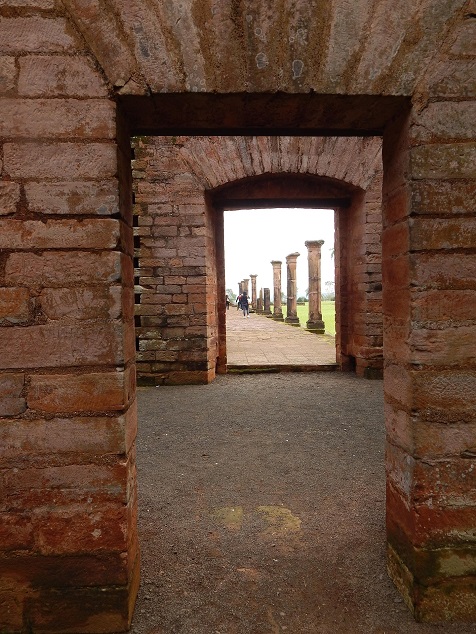
These UNESCO-listed Jesuit mission remains deserve time and explanation. Compare the sites rather than treating them as a single quick stop. A guide can help connect the architecture with the region’s more complicated history.
Areguá and nearby outings
Consider an outing beyond Asunción if it fits your interests and current transport. Ask what is open and how you will return. A short map distance can still involve a substantial day.
Ciudad del Este and the eastern border
Visit with a clear purpose and current local advice. The wider border region has specific crime concerns, so read the regional advisory carefully. Also check immigration procedures before combining several countries in one outing.
The Chaco: plan beyond the road map
Remote journeys need realistic driving days, supplies and suitable local expertise. Ask how rain or heat changes the route. Then confirm the practical limits of accommodation and emergency help before committing.
Vibe Check: Is Paraguay Your Kind of Trip?
History and everyday culture
Choose a few bases and give conversations, local food and guided visits time. Spanish helps, while Guaraní is also central to the country’s identity. Ask before photographing people and avoid turning daily life into a performance for the camera.
Independent travel with preparation
Paraguay rewards curiosity, but it does not owe you effortless connections. Confirm transport and opening arrangements directly. If you dislike uncertainty, use a local guide or organized transfer for the parts that matter most.
When to Visit Paraguay
Heat, humidity and heavy rain can matter more than a neat four-season label. First choose the actual route, especially if it includes remote roads. Then check conditions rather than relying on the forecast for the capital alone.
Summer: December–February
Expect the possibility of intense heat, especially during afternoon sightseeing. Plan shorter outdoor blocks and choose accommodation you can rest in. Also check how storms affect transport.
Autumn: March–May
Consider a cultural route with flexible days for variable weather. However, recent rain can still affect access beyond the main roads. Ask about local conditions before a remote outing.
Winter: June–August
Cooler periods can make some walking plans more comfortable, but do not assume every day will be warm. Pack layers and confirm accommodation standards. Then check the forecast for your specific stops.
Spring: September–November
Prepare for increasing heat and possible storms. If road access matters, ask about recent conditions close to departure. A flexible city day is easier to rearrange than a tightly booked remote circuit.
Daily Rhythm: Leave Room for the Day
An Asunción day
Start with a focused walk or museum visit, then take lunch seriously. During the hottest part of the day, choose shade or an indoor stop. Finally, arrange reliable evening transport instead of improvising late.
A mission visit day
Confirm the opening arrangements and the transport between sites. Take time to understand what remains rather than rushing for a photograph. Then leave enough daylight for the return to your base.
Rob’s Tips: Food, Culture and a Better Day Out
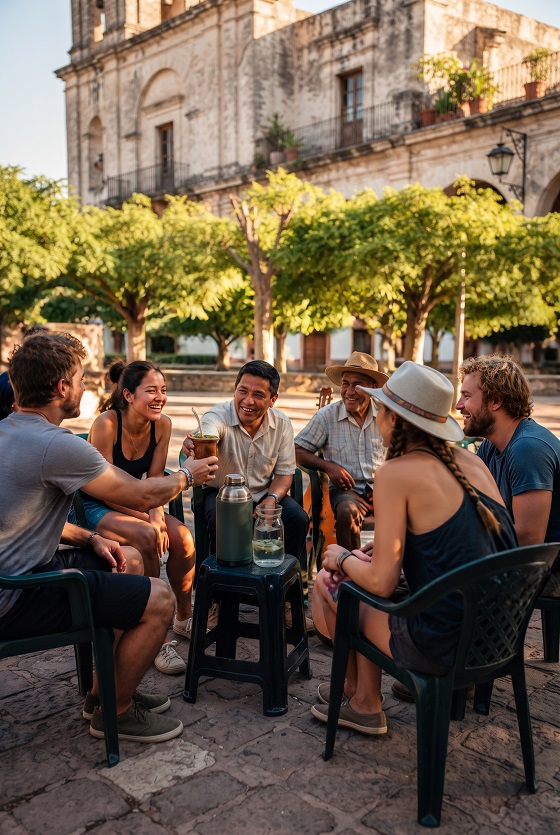
Tereré: make time for the sharing
In Paraguay, tereré gives a simple drink a much bigger role. Cold water is poured over yerba mate and sipped through a bombilla, a filtering straw. In the Guaraní tradition of pohã ñana, crushed herbs also go into the water, drawing on knowledge passed through families.
However, the sharing matters as much as the preparation. Gathering for tereré creates time for conversation, friendship and a pause in the day. My advice: if you’re invited, slow down and let your host show you the rhythm. There’s little point collecting cultural experiences if you’re too busy to enjoy the company.
UNESCO recognized the practices and traditional knowledge of tereré in the culture of pohã ñana in 2020. Ask which herbs are included, and use safe drinking water.
Activity: a guided heritage visit
Choose a guide who explains both the Jesuit missions and the Indigenous people whose lives were shaped there. Before booking, ask about language and time at each site. Good interpretation adds more than another stop on the circuit.
Safety in Paraguay: The Practical View
Cities and border regions
Street theft and armed crime occur, while official advice identifies increased risks in several eastern and northern departments. Read the exact regional guidance before choosing a border detour. In cities, use reliable transport and keep valuables out of sight.
Roads, heat and remote travel
Plan longer journeys in daylight and ask about current road conditions. In remote areas, confirm supplies, communication and medical access before departure. Also discuss destination-specific health precautions with a travel-health clinician.
Logistics Lite: The Useful Essentials
Entry requirements
Check current rules for your passport, including any health documentation linked to countries visited beforehand. Children may need additional authorization in some circumstances. Confirm those details with official sources before building a multi-country route.
Ground transport
Compare intercity services with an organized transfer for your chosen stops. Ask where the vehicle actually arrives and how the last leg works. Municipal buses raise particular security concerns in U.S. official advice, so do not treat every bus journey as equivalent.
Money
Paraguay uses the guaraní, PYG. Larger urban businesses may accept cards, while smaller and rural purchases can need cash. Carry manageable local notes and keep a backup payment method separately.
Language and preparation
Spanish and Guaraní are both important in Paraguay. Save addresses and key booking details offline, and confirm the language of guided visits. A few useful phrases and clear transport instructions can make independent travel easier.
The Jesuit Missions: Give the History Enough Time
Visit the two sites deliberately
La Santísima Trinidad de Paraná and Jesús de Tavarangue are distinct UNESCO-listed mission remains. Check current visitor arrangements with SENATUR. Then allow time for both the surviving structures and their historical context.
Keep the story balanced
These places involve colonial religion, settlement and Indigenous lives, not just attractive ruins. Ask your guide how those histories connect. A thoughtful visit should leave you with questions as well as photographs.
Base Plans: Three Ways to Explore Paraguay
These are my suggested outlines. Confirm actual transport, access and entry requirements before assigning every night.
About five days: choose one base
Use Asunción for a focused introduction, or choose Encarnación if the missions are your main reason for traveling. I would avoid crossing the country twice for a very short stay. Give the chosen place room.
About 7–10 days: a cultural route
Combine Asunción with Encarnación and the mission visits, counting the transfer as part of the trip. Then leave an optional day for local interests. Confirm the real transport before assigning every night.
Two weeks or more: add specialist interests
Consider a guided Chaco journey or slower regional exploration after the main cultural route. However, confirm seasonal access and support first. More days do not make an unsuitable remote itinerary a good idea.
Paraguay Travel Costs: Price Your Actual Journey
Compare accommodation, transport, meals, activities and a contingency allowance. Add bags, transfers and single supplements where relevant.
What belongs in the budget?
Paraguay travel costs depend on how independently you travel and how far the route goes beyond main transport links. Local meals may be modestly priced, while private guiding and remote logistics can add substantially. Therefore, price the whole route rather than borrowing a generic daily average.
Where I would save
First, choose fewer bases and group nearby visits. Next, compare transfers and guides by the complete service. However, I would keep reliable transport and an appropriate remote-travel plan ahead of a small saving.
Gap Analysis: Is Your Plan Ready?
Four checks before paying
First, count full travel days. Next, check the season against your main activity. Then confirm entry rules and health needs for the exact route. Finally, keep a little flexibility around the booking you care about most.
If the route feels too tight
Remove the least important stop before cutting rest or connection margins. Then move that time to your main priority. The better trip is usually the one you can enjoy without constantly watching the clock.
Paraguay Travel Guide: Your Questions Answered
How long should a first Paraguay visit be?
I would begin with 7–10 days for Asunción, Encarnación and the missions. However, shorter stays work better with one main base, while the Chaco needs a separate plan.
Does Paraguay have beaches?
It is landlocked, but there are river and lake destinations, including the Encarnación waterfront. However, check local water conditions and swimming guidance instead of assuming every attractive shoreline is suitable.
Should I add the Chaco to a short trip?
Only if it is a priority and the logistics work. A remote guided journey can consume more time than the map suggests. I would not add it merely to fill two spare days.
Can I combine Paraguay with Argentina or Brazil?
Yes, but confirm immigration procedures and current advice for the exact crossing. Border-area security varies, so choose a clear route and leave margin before an onward flight.
Sources and Useful Checks
Route lengths, suggested bases and budgeting choices are my recommendations. For requirements and changing conditions, use the official information below.
Let’s Talk About Paraguay
Planning a trip to Paraguay? Share your rough dates, available days and the decision you are working through. If you have already been, what would you pass on to the next traveler?