HUNGARY, WHEN YOU WANT GRAND EUROPE + THERMAL BATHS + REAL VALUE
Hungary Travel Guide: Thermal Baths, Danube Days
& Wine Country Done Right
This Hungary travel guide helps you choose between Budapest, thermal baths and trips beyond the capital. First decide which experiences matter most, then build a route with time to enjoy them. Compare bases, seasons and transport before booking, and leave room for a slower day rather than filling every gap with another transfer.
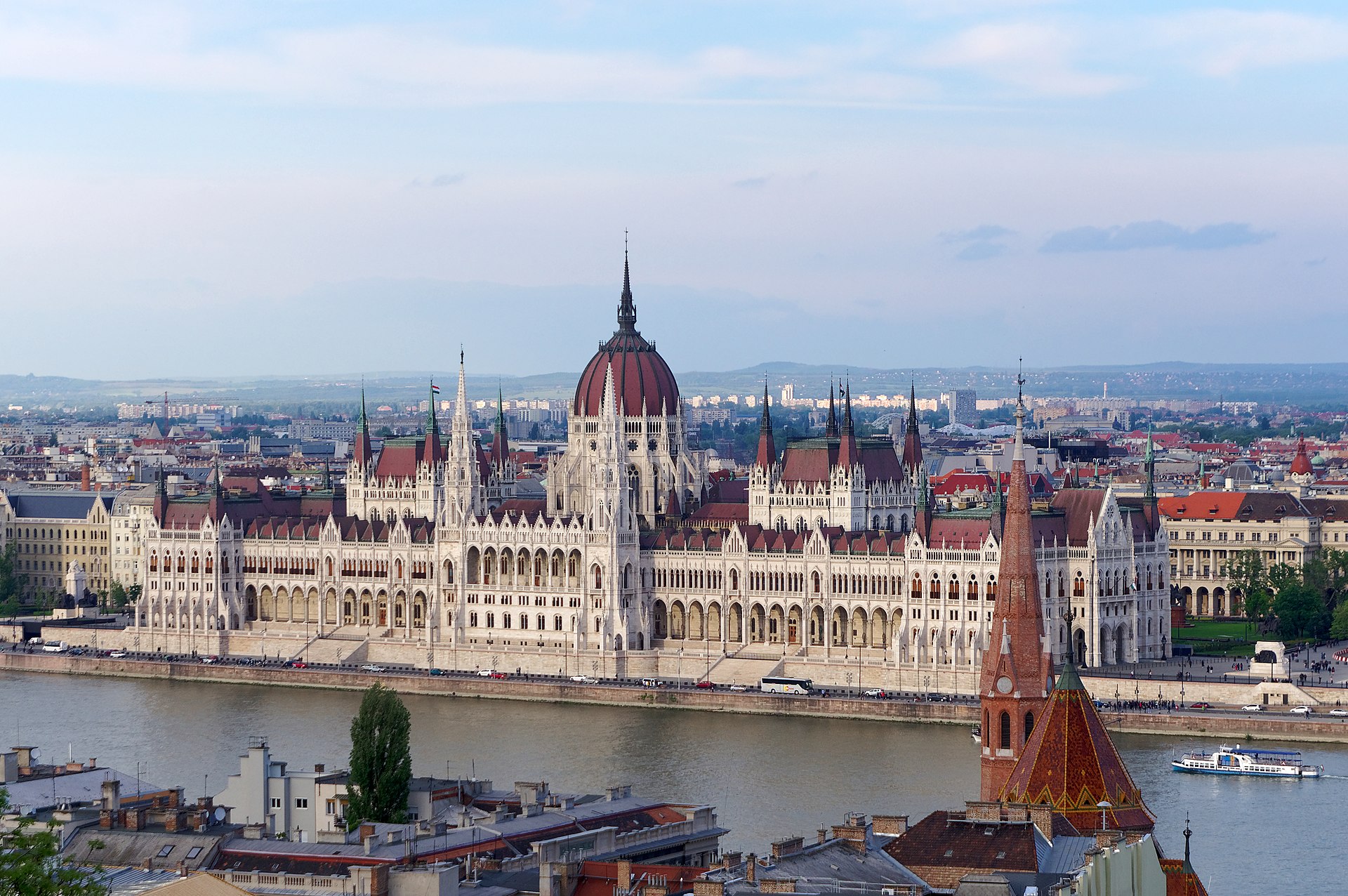
Hungary is one of those places that can feel like “Budapest and done”… until it suddenly isn’t. Because once you do the baths properly, walk the Danube at dusk, and eat something that comes in a bowl the size of your future, you realize Hungary isn’t a checklist country — it’s a mood.
My Hungary approach is simple: build around three moods. First, Budapest for the big-city beauty (Danube views, architecture, markets, cafés, ruin bars). Second, a water reset (thermal baths or a lake day at Balaton — depending on the season). Third, one “beyond Budapest” layer (wine country, castle towns, or the Danube Bend). That mix keeps the trip feeling rich without turning you into a sleep-deprived statue collector.
Also — and I mean this kindly — Hungary is easy to do “wrong” if you run it like a sprint. So, instead, travel it like a story: slow enough to taste it, structured enough to avoid stress, and flexible enough to follow a great street, a great view, or a great bowl of gulyás.
In a Nutshell (60-Second Scan)
If you only read one part, read this. Hungary is easy once you stop treating it like “Budapest highlights + panic.”
- Best first move: Give Budapest 3 full days (Danube walk, Castle Hill, market + cafés, one proper bath session).
- When it clicks: When you schedule water on purpose — thermal baths in winter/shoulder season, Balaton in summer.
- Money truth: Hungary can be fantastic value, but Budapest tourist zones can spike fast if you default to “closest restaurant + taxis.”
- Easy win: Add one day outside Budapest (Danube Bend towns, Eger, or a Tokaj wine day).
- Classic mistake: Overpacking the itinerary, then “rewarding yourself” by skipping the baths. (This is backwards. The baths are the reward and the reset.)
- Quiet flex: A twilight Danube stroll + a late-evening ruin bar that you enter early, before it turns into a loud human blender.
Hungary works best as Budapest (culture) + water (reset) + one countryside layer. Everything else is optional frosting.
60-Second Fit Check
- Ideal trip length: 4–5 days (Budapest-only, still good), 7–9 days (sweet spot), 10–14 if adding wine + lake + slow days.
- Best energy level: Medium — lots of walking in Budapest, then calm recovery built in.
- First-timer friendly: Very, especially if you anchor in Budapest and add one simple day trip.
- Budget vibe: Strong value overall, but you’ll feel it if you live in taxis and eat in the “most photographed” streets.
- My simple rule: If you don’t do a bath session, you didn’t really meet Hungary.
Hungary is in the EU + Schengen, but it uses the forint (HUF). In Budapest, you’ll see euros in tourist areas sometimes — still, plan to pay in HUF and you’ll have a smoother trip.
The Hungary That Clicks: Budapest + Water + One “Beyond” Day
The best Hungary trips don’t try to “see everything.” Instead, they pick the right trio: Budapest for the big-city layers, water for the reset, and one outside day for depth. And then — importantly — they leave enough breathing room for the country to actually land.
Here’s why this works: Budapest is visually intense (in a good way), so your brain gets full quickly. Meanwhile, a thermal bath session slows your nervous system down, and suddenly the whole trip feels less frantic. Then, when you add a countryside layer — wine towns, lake time, or the Danube Bend — Hungary stops being “a city break” and becomes “a country.”
- Days 1–3: Budapest deep dive (Danube at dusk, Castle Hill, market, one bath session).
- Day 4: Danube Bend day loop (or a wine day).
- Days 5–7: Lake Balaton slow days or Tokaj/Eger for wine + castles, then back to Budapest for your flight.
Vibe Check: What Kind of Hungary Are You Actually Here For?
Hungary has distinct personalities. Decide your primary mood first, and your itinerary will suddenly get smarter.
The Budapest Hungary (views, cafés, ruin bars, big-city beauty)
You want walkable days, great architecture, market browsing, and nights that can be classy or chaotic — your choice. Budapest delivers, especially if you explore beyond the most obvious tourist strips.
Plan like: 3–4 nights + one bath session + a slow morning built in.
The Water Hungary (thermal baths + lake life)
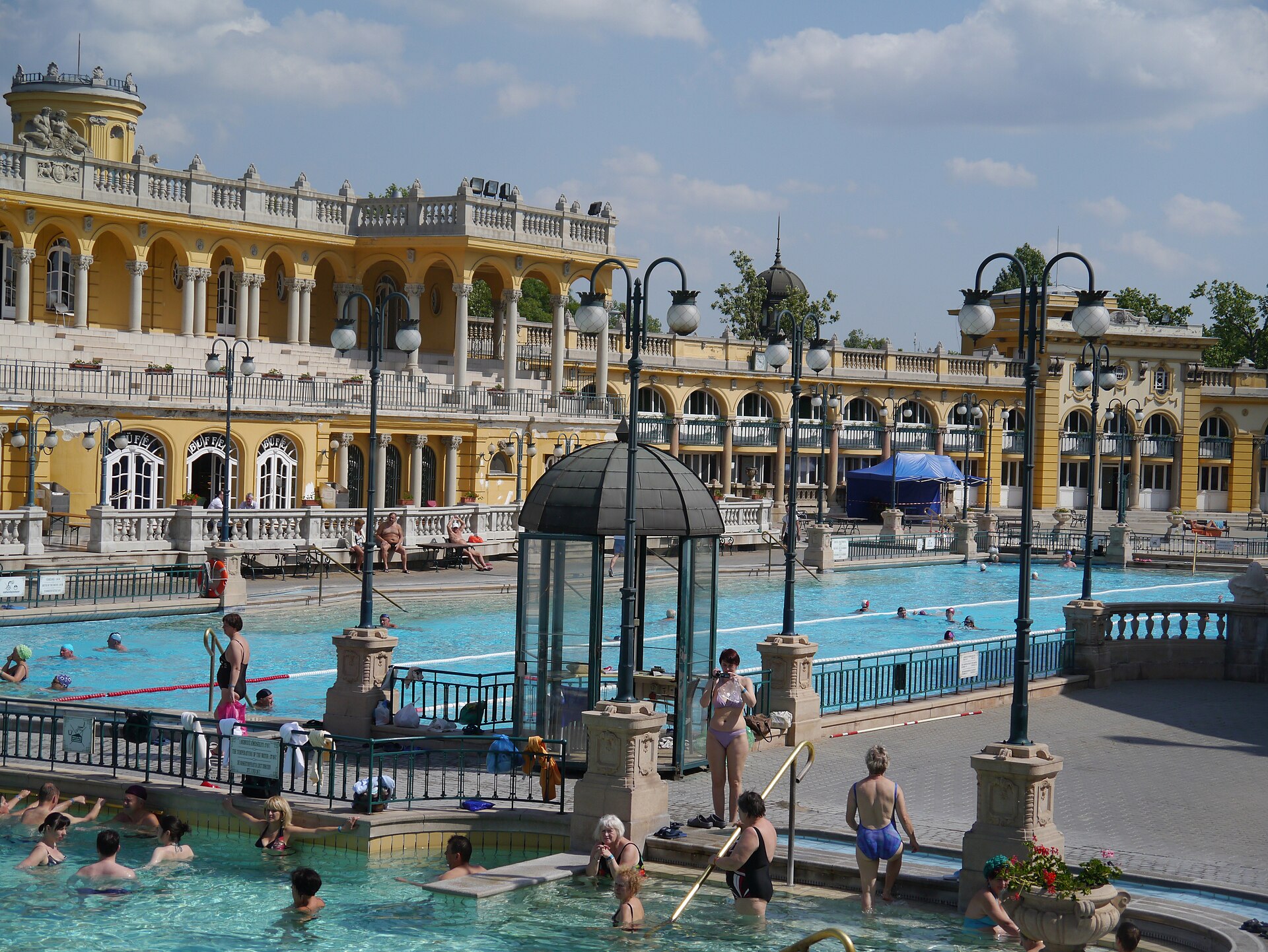
You want the trip to feel restorative, not just impressive. In cooler months, that means thermal baths. In summer, that can mean Lake Balaton slow days and sunset walks.
Plan like: one “water day” every 2–3 days — treat it as a pillar, not a bonus.
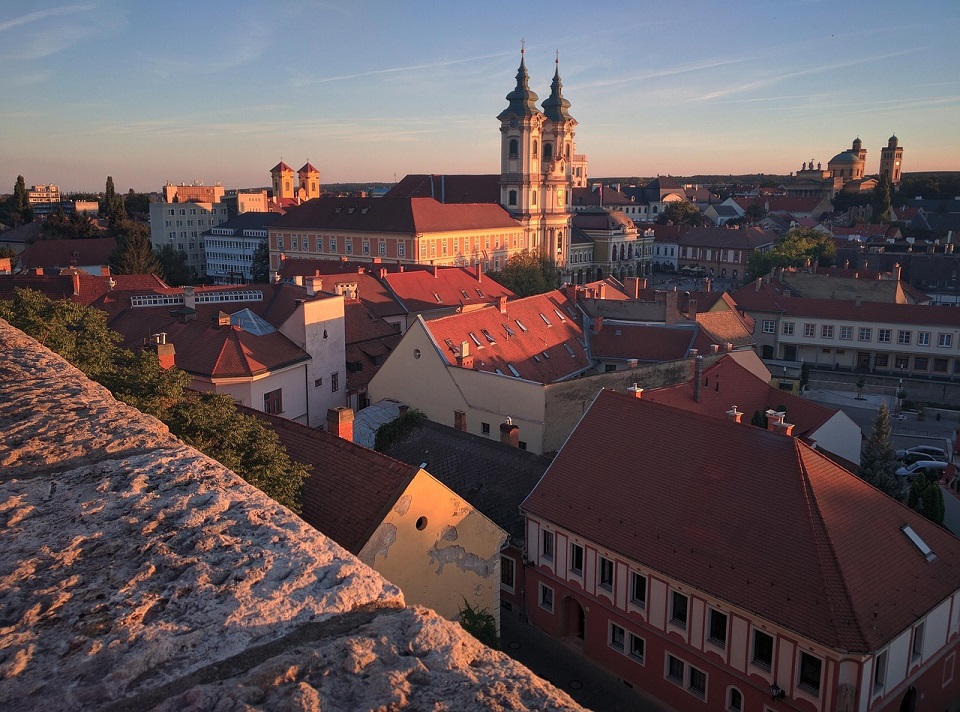
The Wine + Towns Hungary (Tokaj/Eger vibe, castles, countryside pace)
You want character, not crowds. This is where Hungary feels quietly powerful: wine regions, historic towns, and a slower rhythm that doesn’t require a spreadsheet.
Plan like: 1–2 nights outside Budapest, or a focused day trip with a simple return plan.
Hungary in Four Seasons: Same Country, Totally Different Trip
- Spring (April–May): Comfortable walking temps, fewer crowds, and Budapest feels “alive” without feeling packed. Pack layers — weather shifts fast.
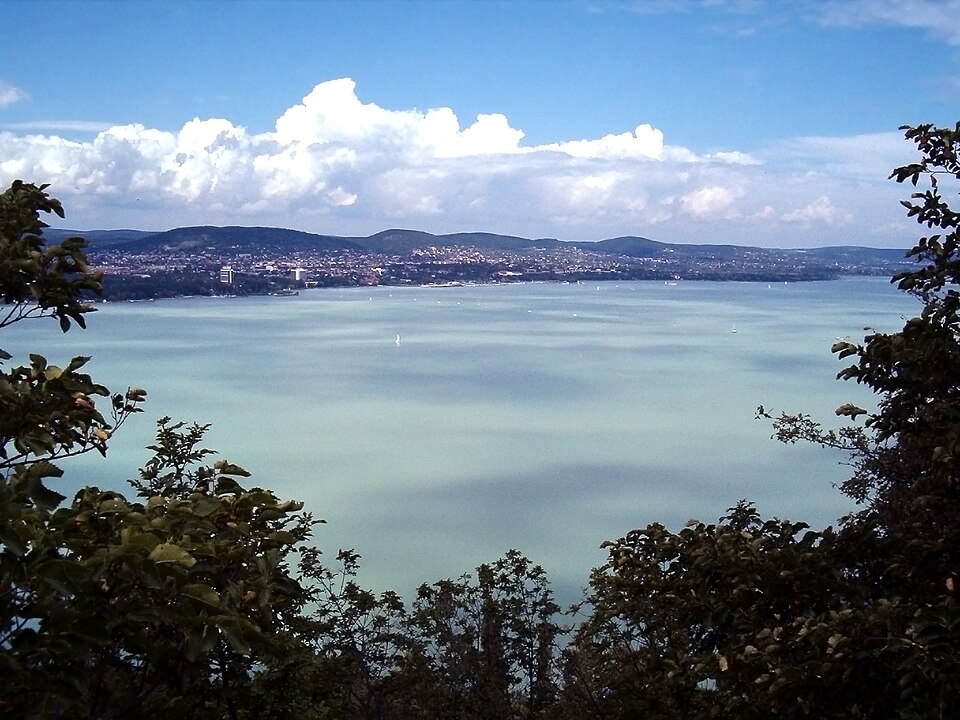
- Summer (June–August): Peak vibe, long days, and Lake Balaton becomes the obvious add-on. Book ahead if you want lake-side stays.
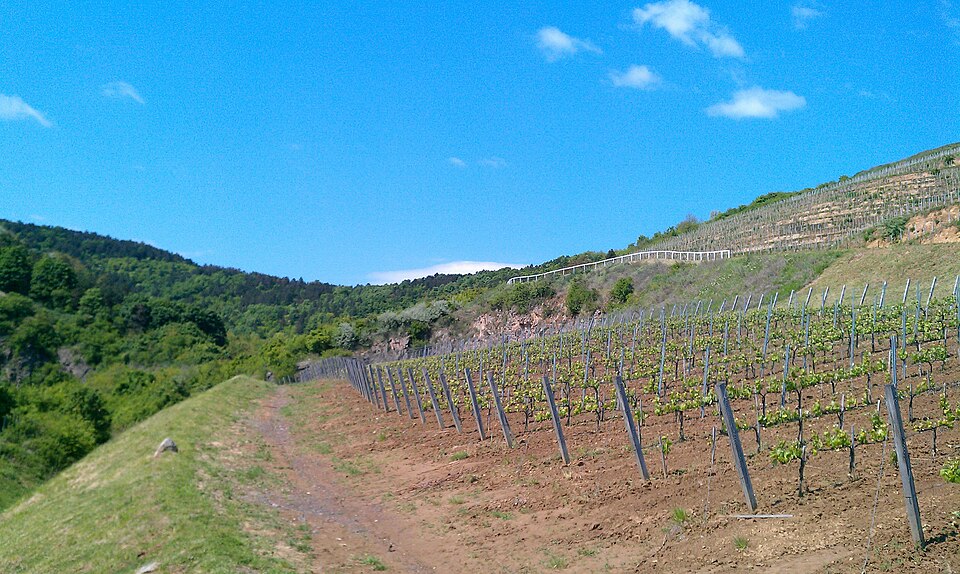
- Autumn (September–October): My personal sweet spot: softer light, calmer city energy, and wine country feels properly seasonal.
- Winter (November–March): Cold outside, warm inside — which is exactly why baths and cozy cafés hit so hard. Short days, but strong atmosphere.
Hungary isn’t a “one-season-only” destination. However, your best move is to match the itinerary to the season: baths + city in cold months, and lake + countryside when it’s warm.
Street Smarts: Small Hungary Rules That Save Big Stress
- Cash still matters. Budapest is card-friendly, but smaller places (and some markets) can be smoother with cash.
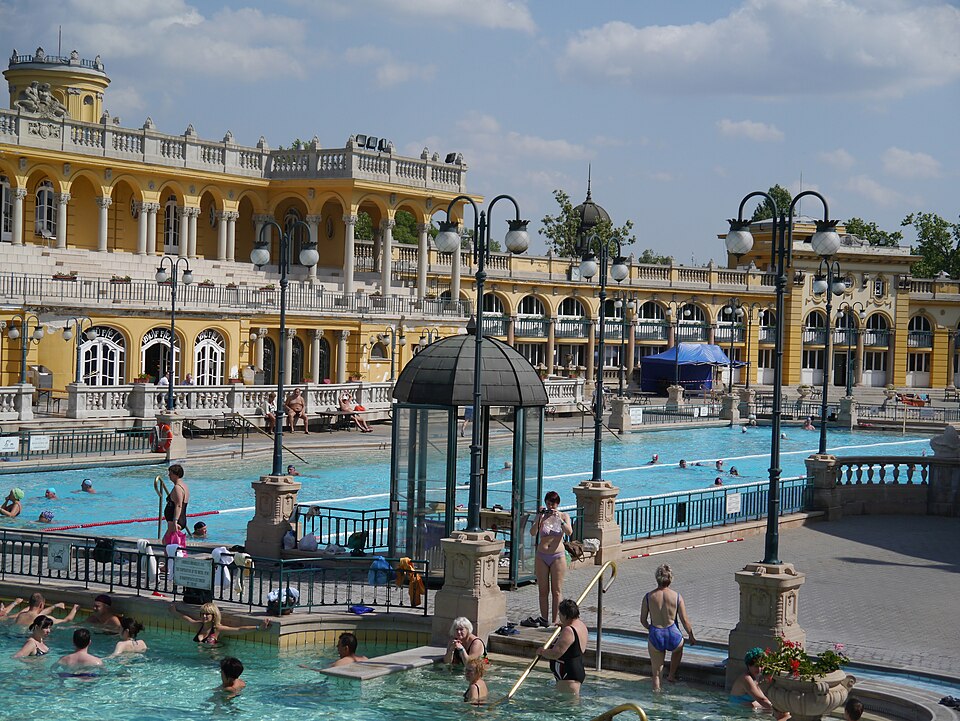
- Bath etiquette is real. Bring flip-flops, a towel, and don’t treat baths like a rushed attraction. Go slow.
- Tourist menus are a trap. If the menu has 10 flags and 60 photos, keep walking. Hungary rewards simple places with local regulars.
- Learn two words: “Szia” (hi/bye) and “köszönöm” (thank you). Even a small effort changes the vibe.
- Nightlife is optional. Ruin bars are iconic, but you don’t have to party like you’re 22. Go early, enjoy the atmosphere, leave when it gets loud.
- Walking is the best transport. Budapest is a “walk + transit” city. Your best moments will happen between plans.
- Tipping: If service is good, tip modestly — just be consistent, not dramatic.
- Don’t schedule every hour. Hungary is better when you leave room for a slow coffee, a long view, and a second bowl of soup.
The biggest Hungary mistake is “over-optimizing.” Instead, pick a few anchors per day and let the country fill in the spaces.

Logistics Lite
Hungary becomes effortless when you handle the basics up front: entry rules, money, power, and “how to move.”
Entry rules & the Schengen reality
Hungary is part of the Schengen Area and the European Union. For many visa-exempt travelers, that often means the familiar 90 days within any 180-day period across the whole Schengen zone — not just Hungary. Always confirm your personal case (nationality + travel history).
Visas and travel documentsMoney (forint) & everyday pricing
Hungary uses the Hungarian forint (HUF / Ft). Budapest can be “cheap” or “not cheap at all” depending on choices, so your best move is to avoid the obvious tourist streets for meals, and use transit + walking instead of taxis.
The pricing swing usually comes from: location (tourist center vs neighborhoods), transport (taxis vs transit), and bath tickets (basic entry vs add-ons).
Power + emergencies + the “save this now” list
Hungary uses Type C and F plugs (European standard), 230V / 50Hz. Mobile coverage is strong in cities and generally good along main routes.
- General emergency: 112
Getting around: Budapest is transit + walking; countryside is train or car
In Budapest: Transit + walking is the sweet spot. Between towns: Trains and buses can work well for popular routes (Balaton and major regional cities). Deep countryside: A rental car helps if you’re doing multiple rural stops in a tight window.
Driving: easy on main routes, slower once you leave them
Driving is straightforward on major roads and highways. However, once you go rural, travel time can expand — so build in buffer and don’t stack too many towns in one day. If you’re visiting wine regions, plan responsibly and keep driving minimal.
The goal isn’t “maximum distance.” It’s “maximum enjoyment without exhaustion.”
Base Plans: 3 Simple Ways To Build a Hungary Trip That Still Feels Good at Day 5
Pick one. Hungary gets better when your plan matches your energy.
Plan A: Budapest-centered hub (culture + baths)
- Why: You get the city layers without constant packing/unpacking.
- Do: 4–5 nights Budapest + 1 day trip (Danube Bend or a wine day).
- Rule: Schedule one bath session early in the trip, not at the end “if there’s time.”
First timers, weekend-plus travelers, and anyone who wants depth without logistics drama.
Plan B: Triangle trip (Budapest + water + wine/towns)
- Why: You get variety without chaos — city, reset, countryside.
- Do: Budapest (3–4 nights) → Balaton (2–3 nights) → Tokaj/Eger (1–2 nights) → back.
- Rule: Keep one travel day “light” — no major sightseeing on that day.
Hungary feels like a full experience, not just a beautiful capital.
Plan C: Slow reset (Balaton + Budapest bookends)
- Why: You want a trip that actually feels restorative.
- Do: Budapest (2 nights) → Balaton (4 nights) → Budapest (1 night) → fly out.
- Rule: Build your days around mornings and evenings — midday becomes “shade + food + slow.”
You go home feeling better, not just “successful.”
Costs & Pace: What Actually Moves the Needle in Hungary
Hungary can be excellent value, but your experience is shaped more by pace and defaults than by the country itself. If you move like a rushed tourist (taxis everywhere, restaurants on the busiest streets, back-to-back paid attractions), Budapest can feel oddly expensive. However, if you walk, use transit, and eat one street back from the main drag, Hungary suddenly becomes the value destination people talk about.
- Accommodation strategy: Budapest center costs more; neighborhoods + good transit often win.
- Food strategy: Market lunches, bakeries, and simple local spots are the sweet spot.
- Transport strategy: Walk + transit beats taxis for both cost and experience.
- Bath costs: Plan one “proper” bath session — it’s part of the cultural experience, not a random add-on.
- Daily average (ballpark): Budget 20k–35k HUF, mid-range 40k–70k HUF, comfortable 75k–120k HUF (varies by season and choices).
Hungary doesn’t “get expensive” — Budapest gets expensive when you stay inside the tourist bubble. Step out of it, and your money stretches further and the trip feels more real.
🇭🇺 Hungary Daily Rhythm Comparison
How your pace shapes your day (and your spend)
Prices are illustrative (HUF) to show the relationship between pace and spend — not a quote.
Rob’s Recommendations: One Dish, One Activity, One Place
If you want Hungary to feel like Hungary (not “European city break #12”), do these three things.
🍲 The dish: Gulyás (the real one)
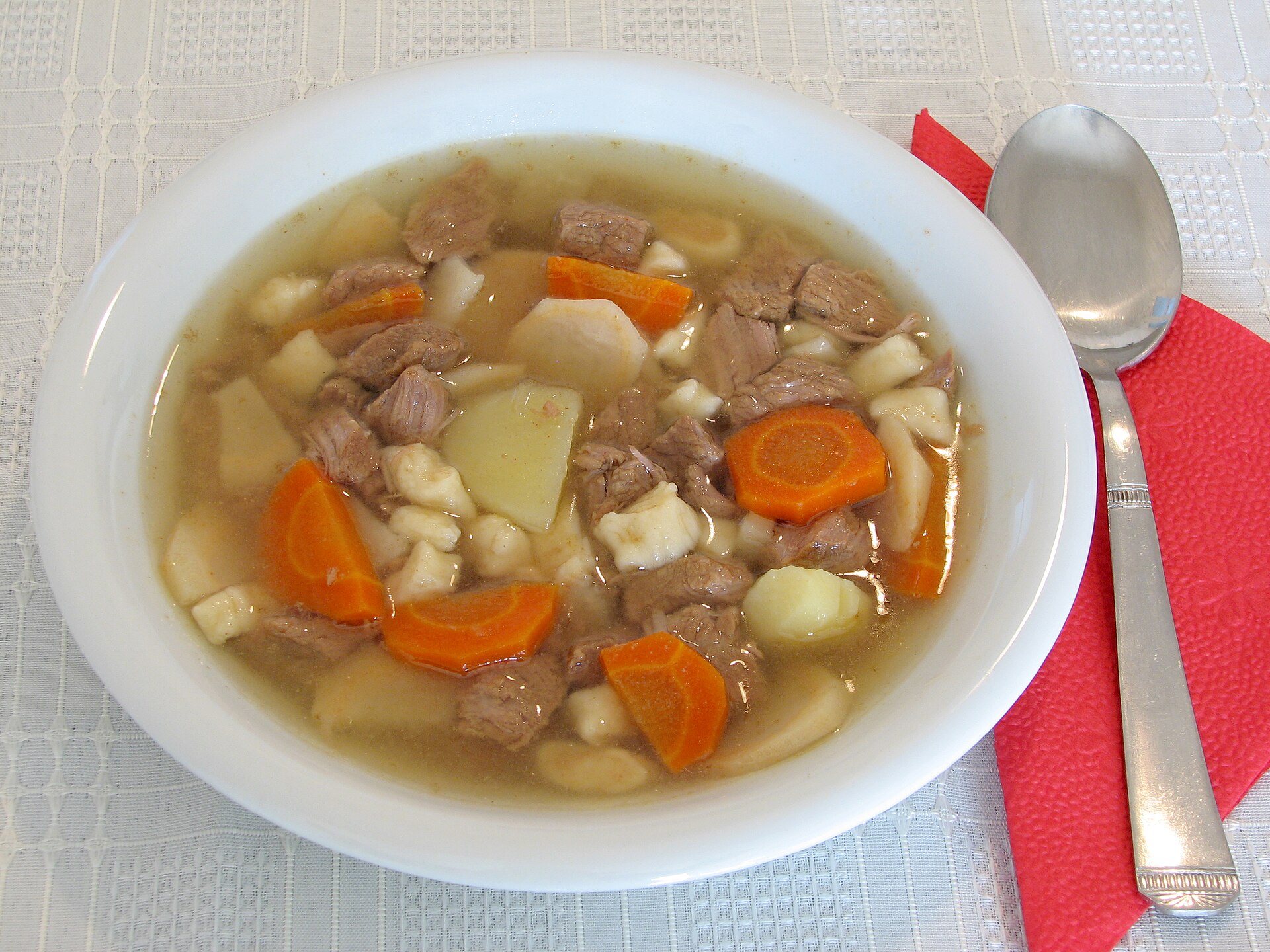
Order gulyás like you mean it: as a warming, paprika-rich soup that feels like someone’s grandmother approved it. Not fancy, not precious — just deeply Hungarian.
Eat it at lunch, then walk it off along the Danube. This combo is a Hungary cheat code.
♨️ The activity: Thermal baths (unrushed)
Pick one major bath session and commit to it. Go slow, soak, read a little, people-watch, and let your body catch up with your itinerary.
Bring flip-flops and a towel — and don’t schedule a “major sightseeing sprint” right after.
🏞️ The place: Lake Balaton (even briefly)
If you’re here in warm months, Balaton is Hungary’s breathing space. Even a short visit changes the tempo of the trip — suddenly everything feels less city-heavy.
Arrive mid-afternoon, do sunset, then sleep there. Day trips work, but an overnight feels like a reset.
Un-Googleable Hungary: Tiny Choices That Change the Whole Trip
These aren’t “hidden gems.” They’re the small behaviors that make Hungary feel like discovery, not a checklist.
Do the Danube twice: once in daylight, once at night
In the day, it’s beautiful. At night, it’s cinematic. The second walk makes the first one feel like a warm-up.
Treat baths as a “slow hour,” not an attraction
The magic isn’t “seeing” the bath — it’s being there long enough for your pace to drop. If you rush, you miss the point.
Eat one meal in a place with zero Instagram energy
The best Hungarian meals often look ordinary and taste unreal. If the room is full of locals and the vibe is calm, you’re probably in the right spot.
Use ruin bars like a museum… early
Go early to appreciate the weirdness, the design, the atmosphere. Then leave when it turns into a loud mission.
Add one “small town” layer
Whether it’s wine country or a historic town, one outside layer gives context. And suddenly Hungary isn’t “Budapest,” it’s a place.
Keep one morning empty
No plans, no tickets, no running. Just coffee, a walk, and letting the city reveal itself. This is where the “travel feeling” lives.
Gap Analysis: Is Hungary Right for Your Kind of Trip?
Hungary is a strong yes for many travelers — but it’s best when your expectations match the reality.
You’ll love it if…
- You like city beauty with a calm, restorative layer (baths, lake time, slower mornings).
- You enjoy food that’s comforting and culturally specific (paprika isn’t just a spice — it’s a worldview).
- You want strong value without “budget traveler suffering.”
- You like mixing a capital city with one countryside add-on.
- You’re happy to walk a lot — Budapest rewards walkers.
Plan around it if…
- You need constant heat and sun (solution: summer + Balaton, or adjust expectations).
- You hate crowds (solution: go shoulder season, and avoid the busiest streets at peak dinner time).
- You want “everything in English everywhere” (solution: Budapest is easy, outside requires a little more patience).
- You’re prone to over-scheduling (solution: build in water + empty mornings, on purpose).
Hungary is best for travelers who want beauty + depth + reset. If you travel it at a human pace, it gives you more than you expect.
Hungary FAQs
Quick answers to the stuff people actually worry about.
Is Hungary safe for tourists?
Generally, yes — Hungary is a very manageable destination for travelers. In Budapest, use normal city awareness (watch your belongings in busy areas and on transit), and you’ll likely feel comfortable quickly.
How many days do I need for Hungary?
If you only have time for Budapest: 4–5 days is solid. For a more complete “Hungary feel”: 7–9 days lets you add water (baths/lake) plus one outside layer (wine/towns).
Is Hungary expensive?
It can be very good value, especially compared to many Western European capitals. However, Budapest tourist zones can spike — so your choices matter. Walk, use transit, and eat a street back from the busiest areas, and you’ll feel the value.
Do I need cash in Hungary?
Cards work widely in Budapest, but carrying some HUF cash makes life easier for smaller places, markets, and occasional “cash preferred” situations. Think convenience, not panic.
What’s the best way to get around Budapest?
Walk + transit. Budapest rewards walkers, and transit helps you save time without blowing your budget on taxis.
Are thermal baths worth it?
Yes — and not just as a photo opportunity. Baths are a core cultural experience in Hungary, and they also make the rest of your trip feel calmer and more enjoyable.
What’s an easy day trip outside Budapest?
The Danube Bend is a popular “outside layer” because it’s close, scenic, and historic. Alternatively, a wine day (Tokaj/Eger) works well if you’re comfortable with a longer day and a simpler plan.
Plan your next step
Compare the Europe travel hub and the Eastern Europe guides, then use the trip-planning guide to work through dates, connections and budget.
Join the conversation
Are you doing Hungary as a Budapest city break, a baths-first reset, or a Budapest + Balaton + wine-country kind of week? Drop your rough plan below — and if you’ve got practical tips (especially “what I’d do differently next time”), share them so other travelers can build a smarter trip.